MOVEMENT.
Start where the garment lives.
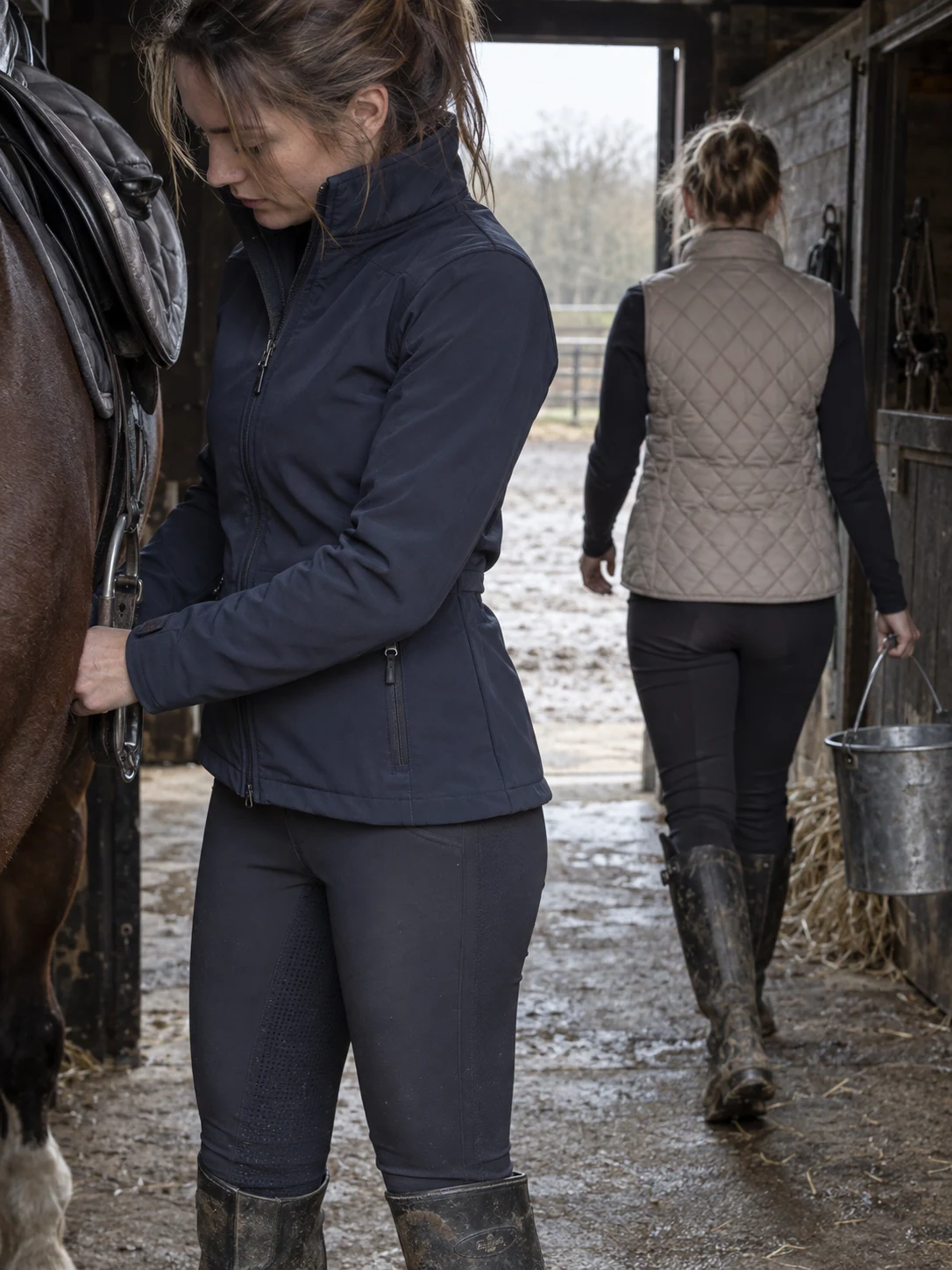
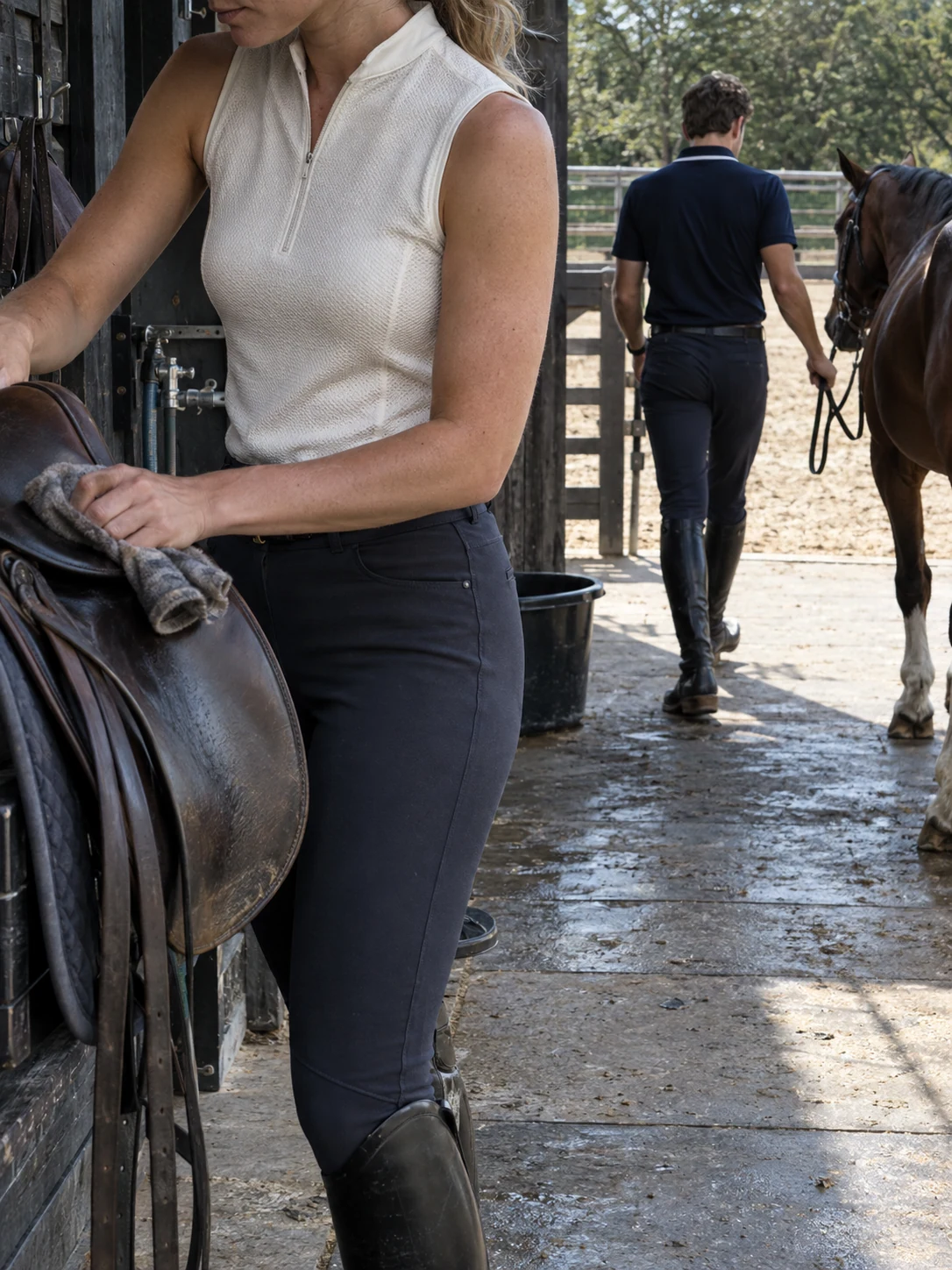
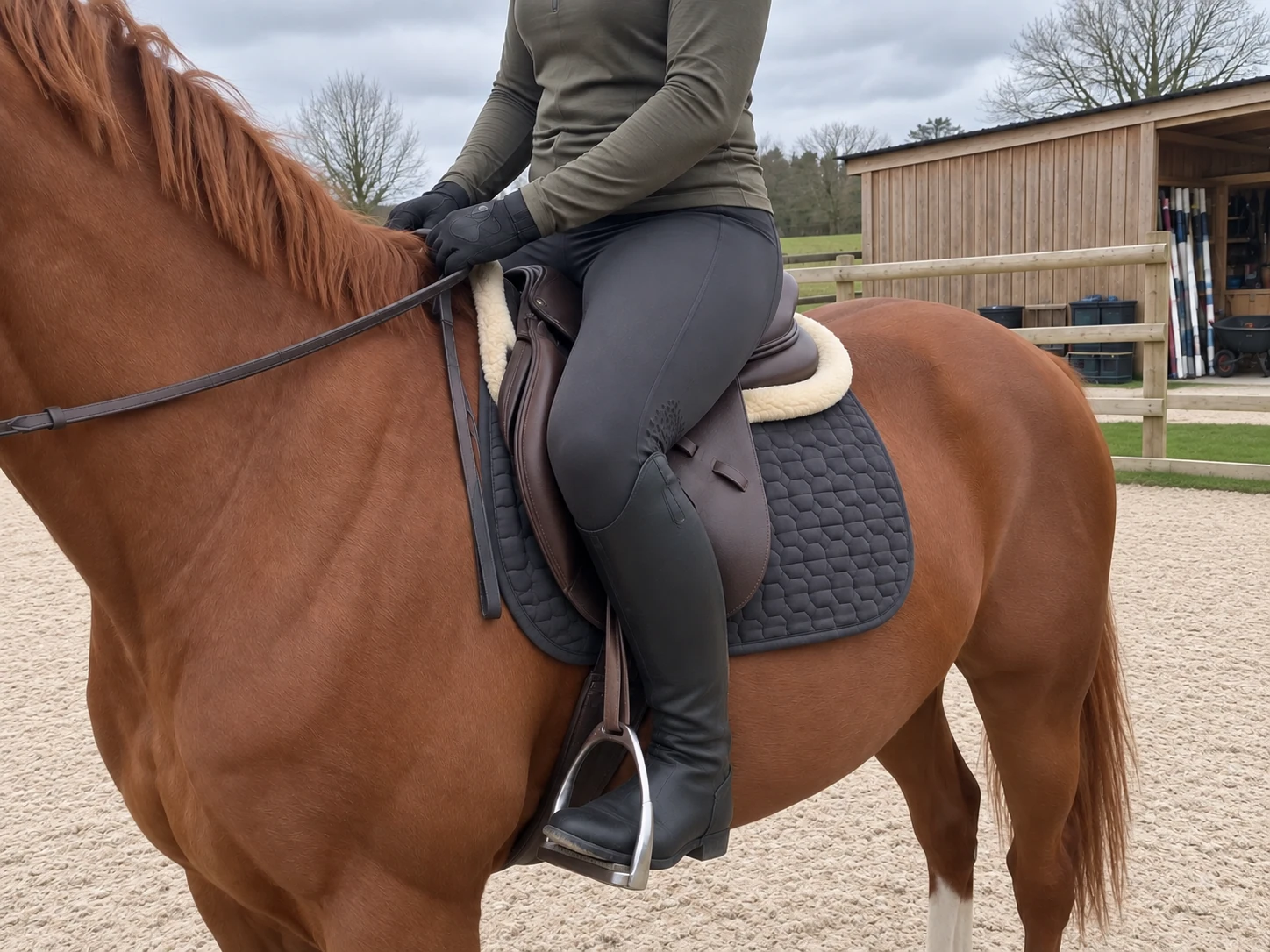
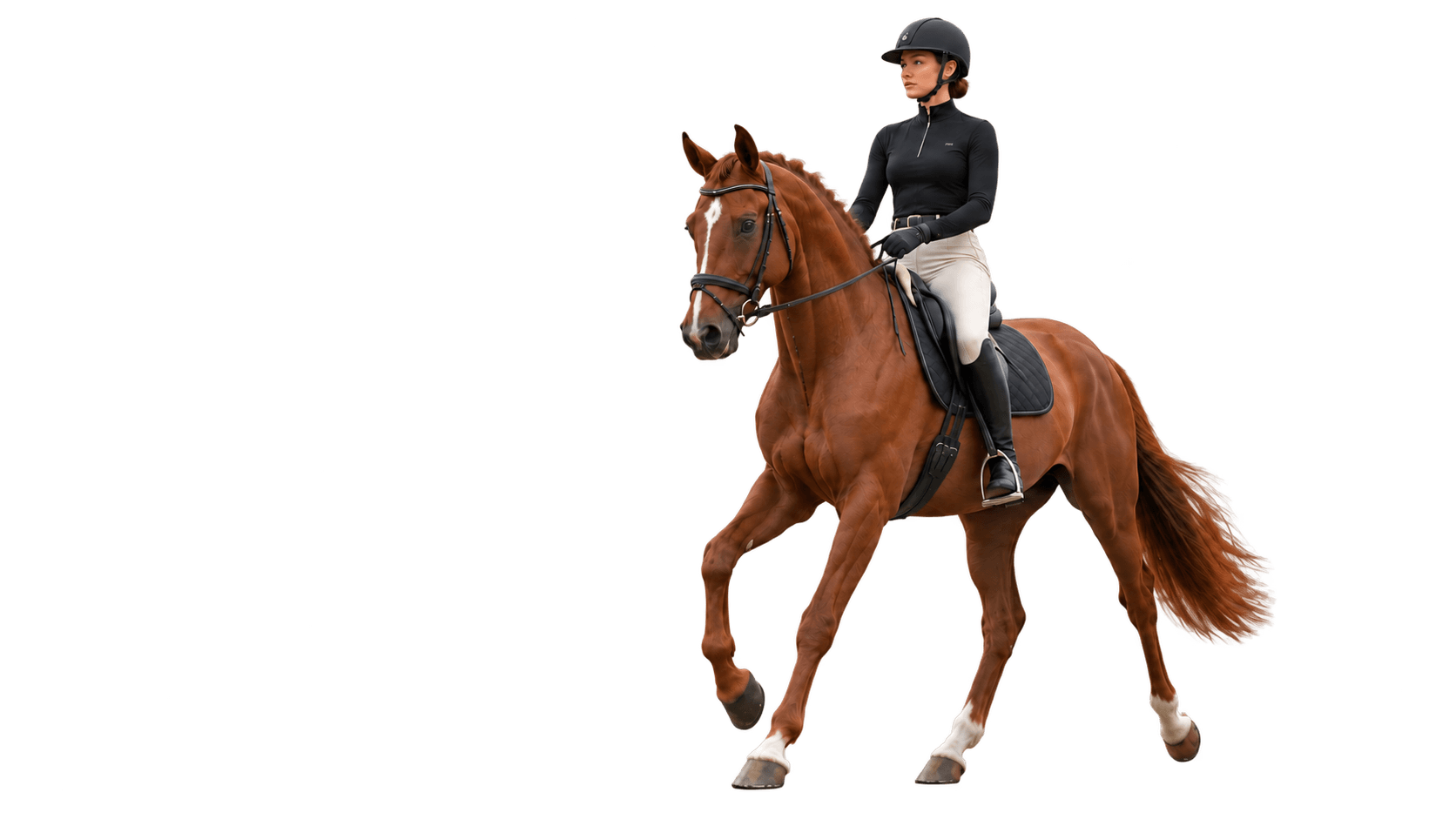
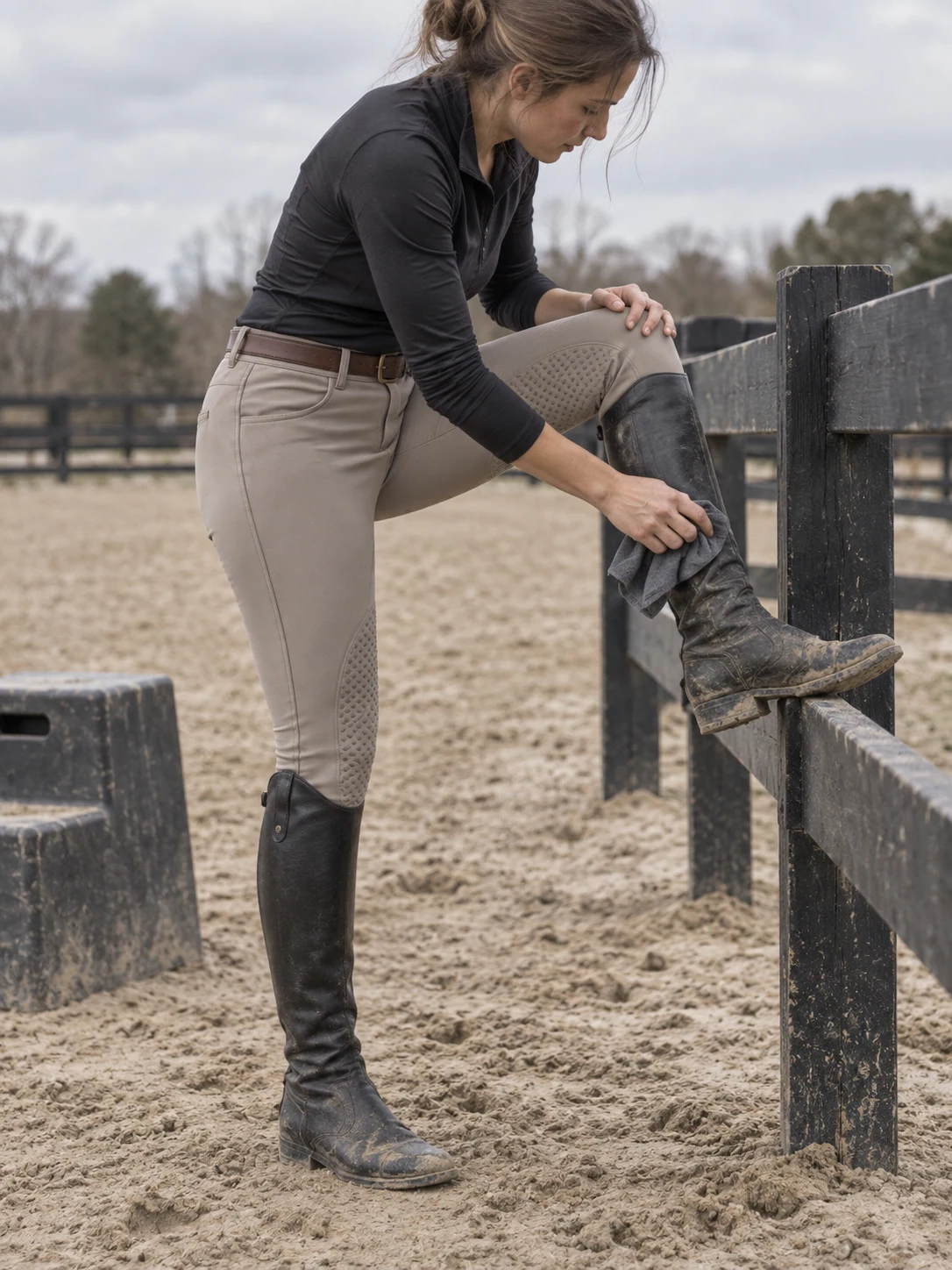
A forward seat. A long day at the yard. The stretch between one stride and the next. Define the rider’s day before deciding the details.
MADE TO RIDE.

BUILT FOR
YOUR BRAND.
From your first sample to your next collection.
Your vision. Our making.
A closer look at what connects them.

A forward seat. A long day at the yard. The stretch between one stride and the next. Define the rider’s day before deciding the details.
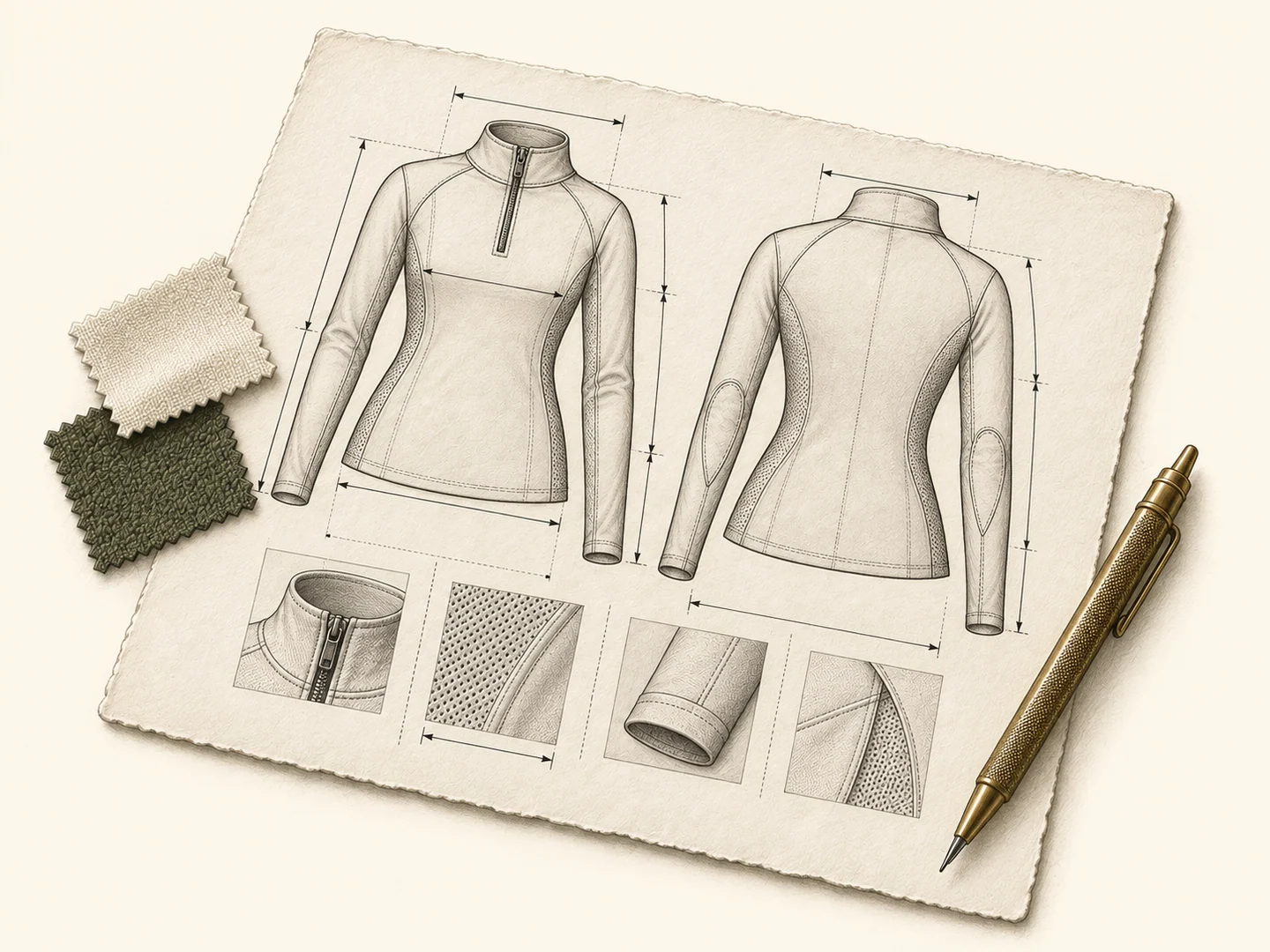
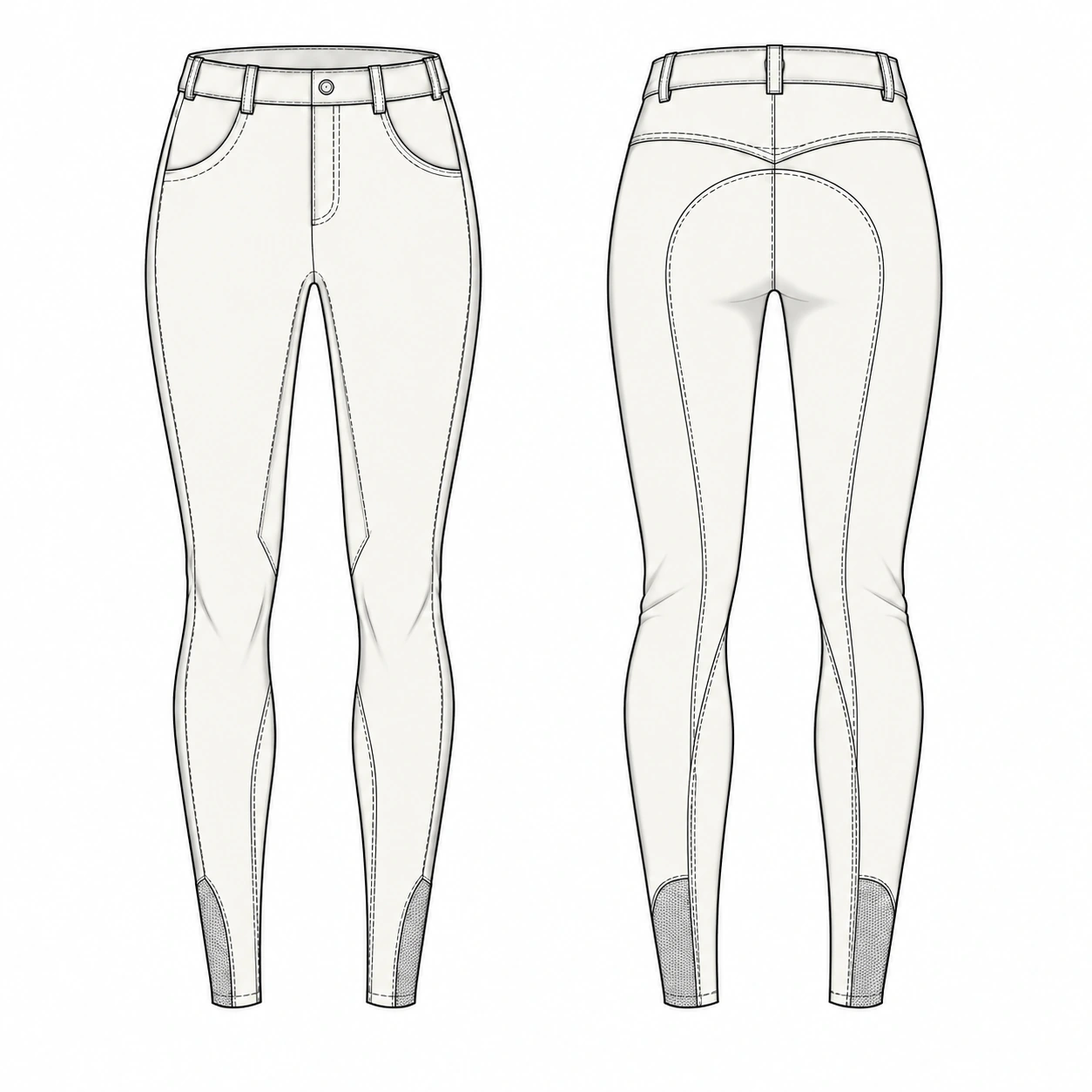
Translate that movement into rise, seam placement and contact areas. A silhouette becomes a specification when its decisions can be reviewed.
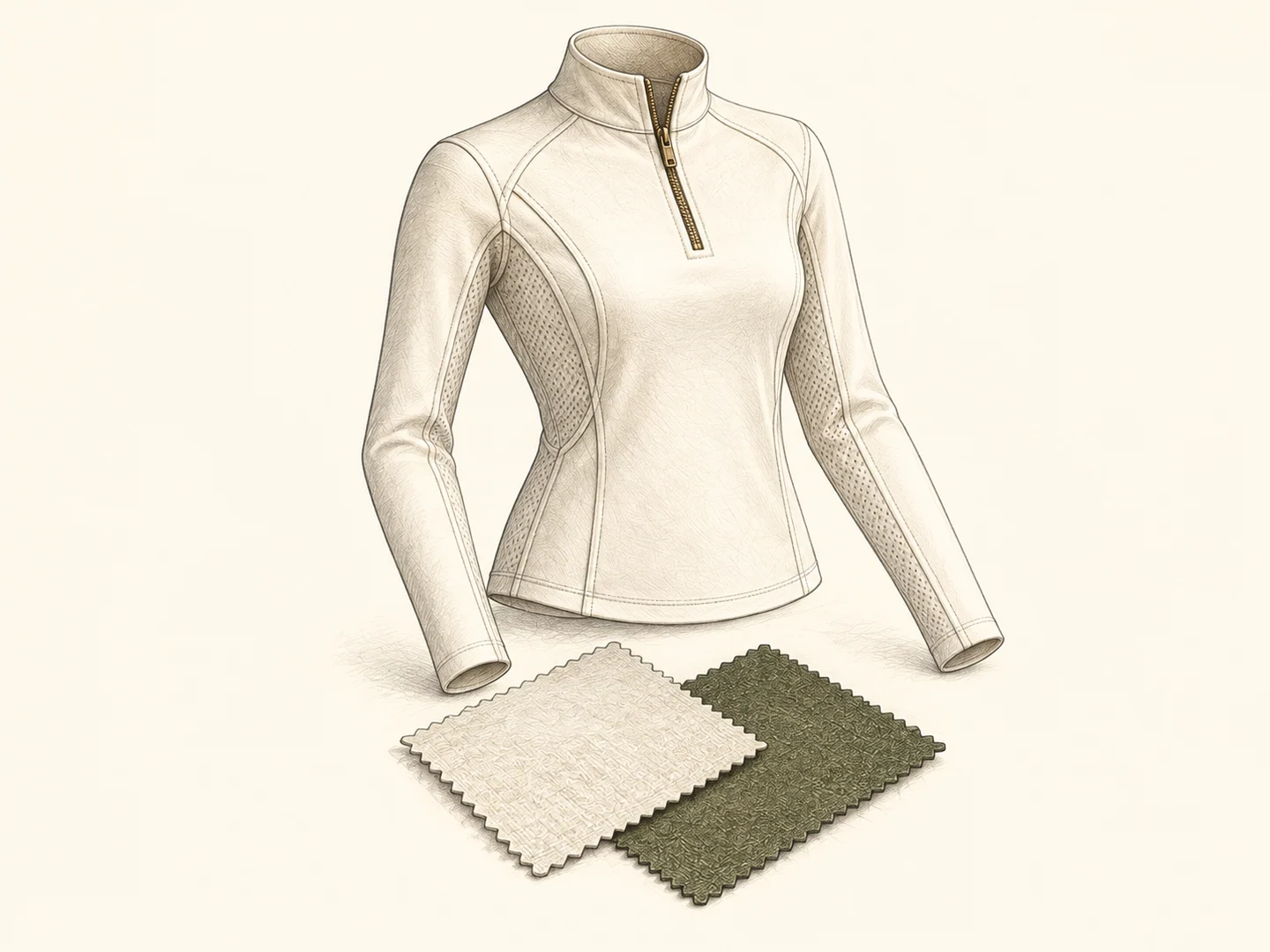
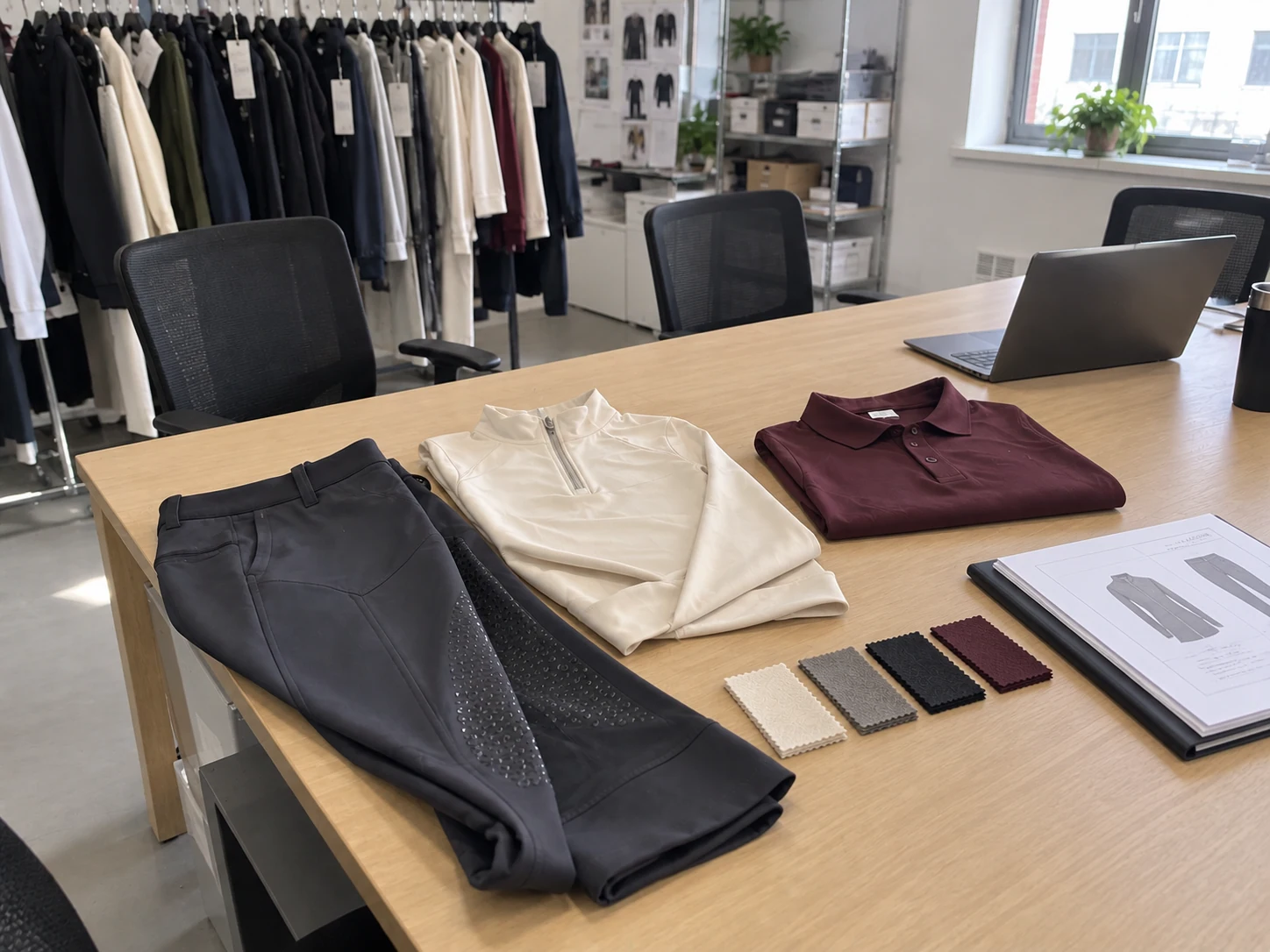
Hand feel, recovery and contact are sample decisions. Bring the fabric and construction together, then review the assembled garment before bulk.
Six categories. Countless ways
to make them yours.
4 product buying guides · Private label
Materials, fit and sampling decisions.
A considered starting point for your brief.
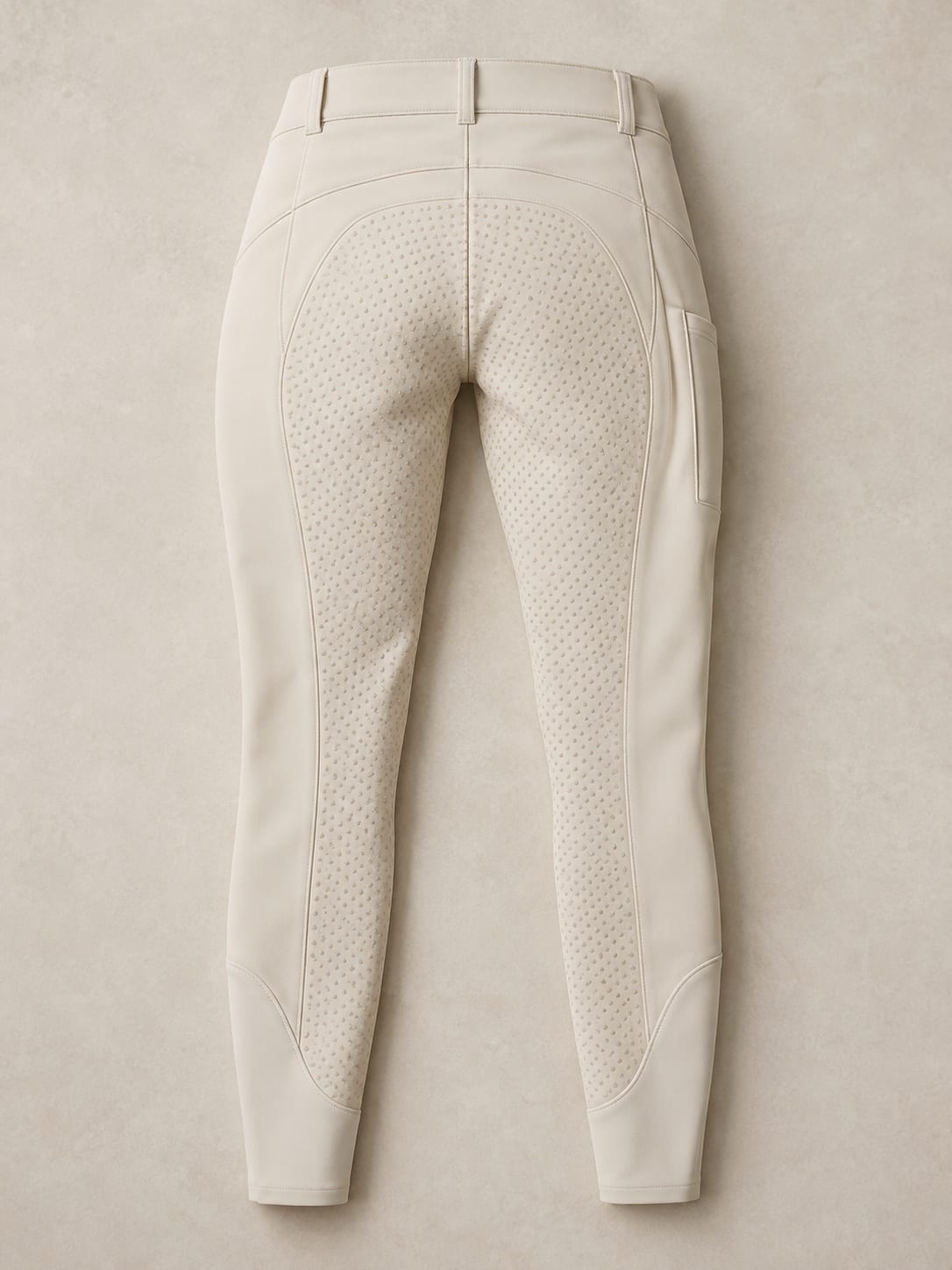
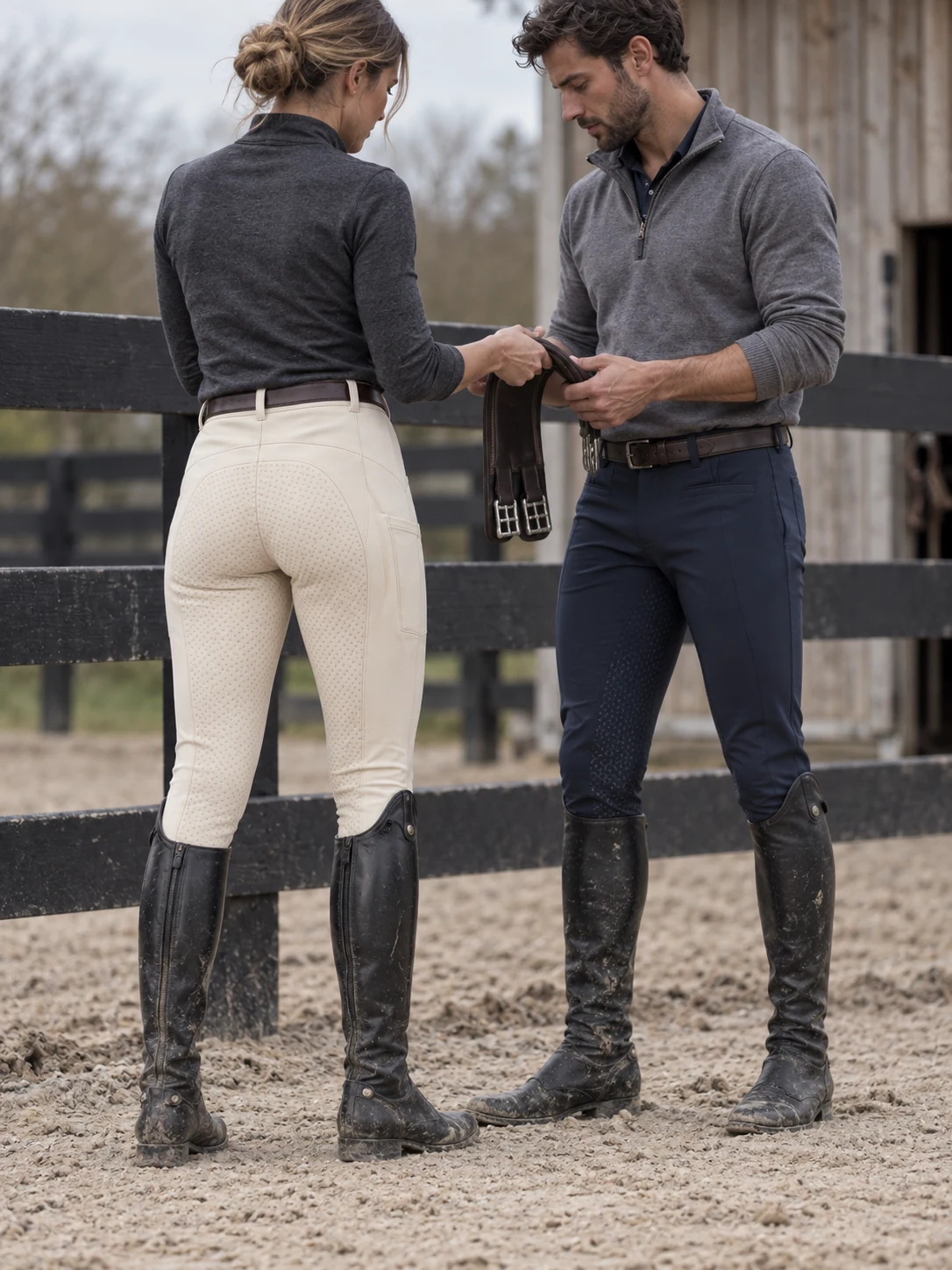
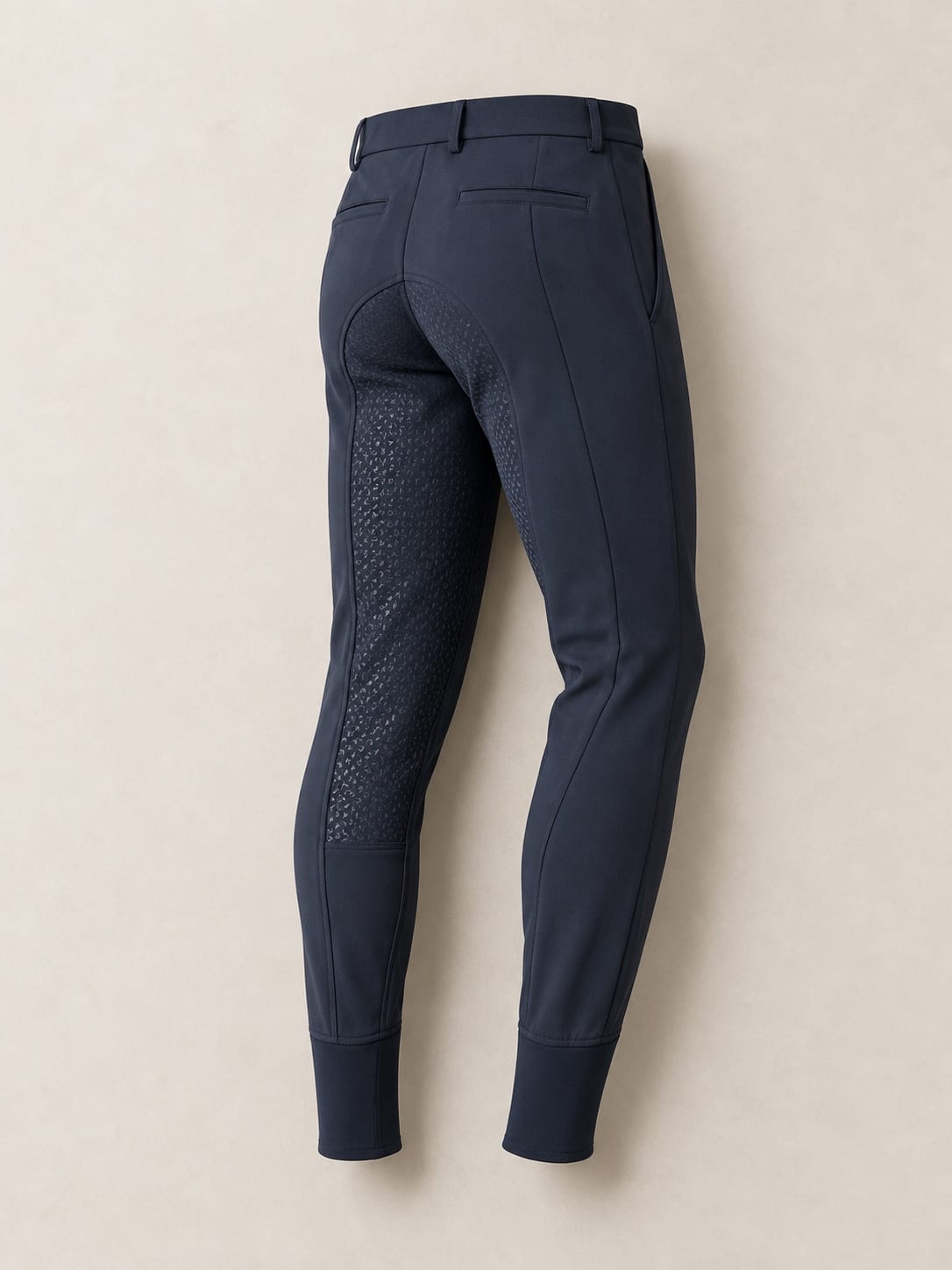
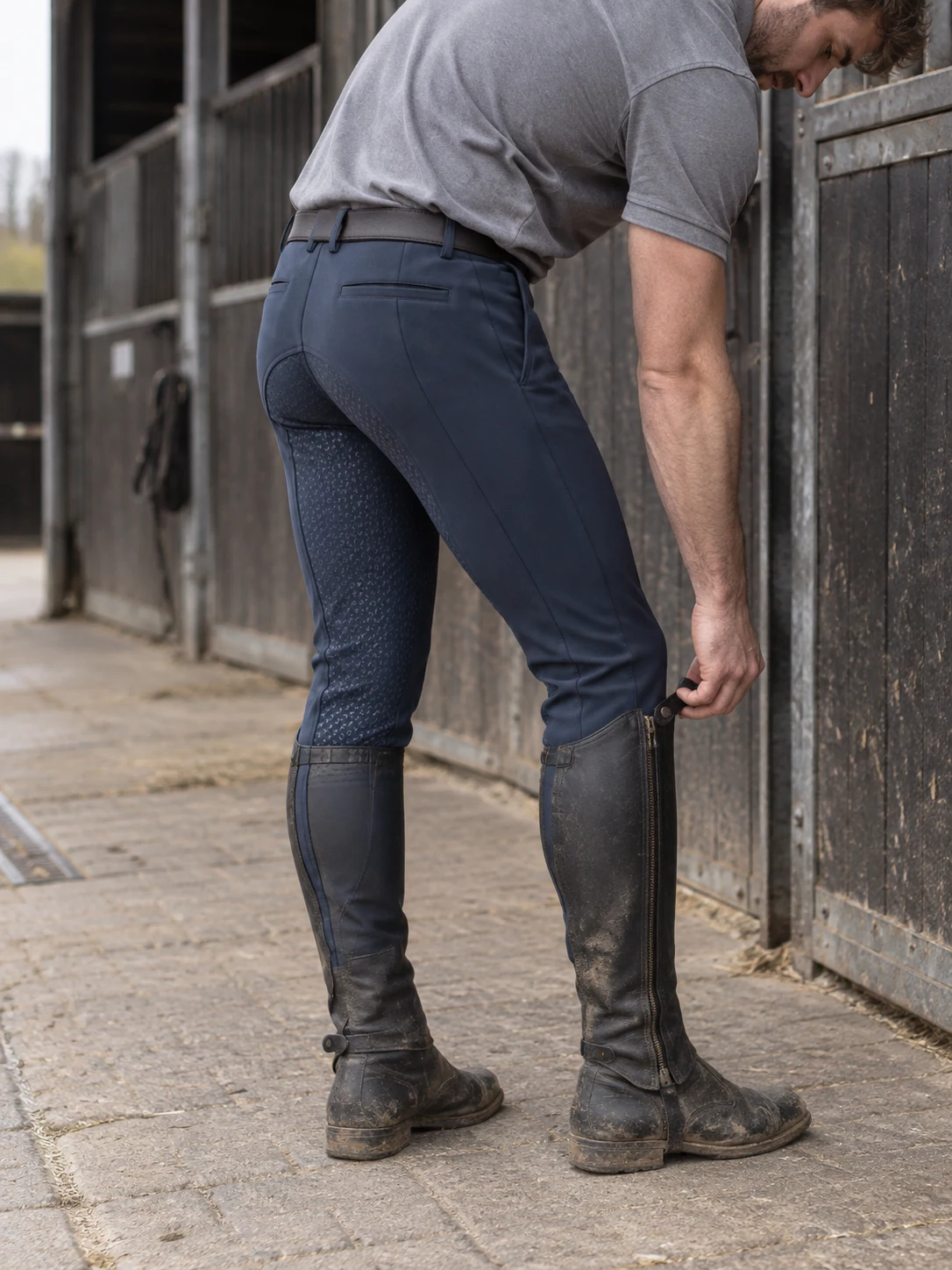
Private label men’s tailored breeches for equestrian brands: rise, thigh room, seat fit, pockets and a production-ready size chart. Request an OEM quote.
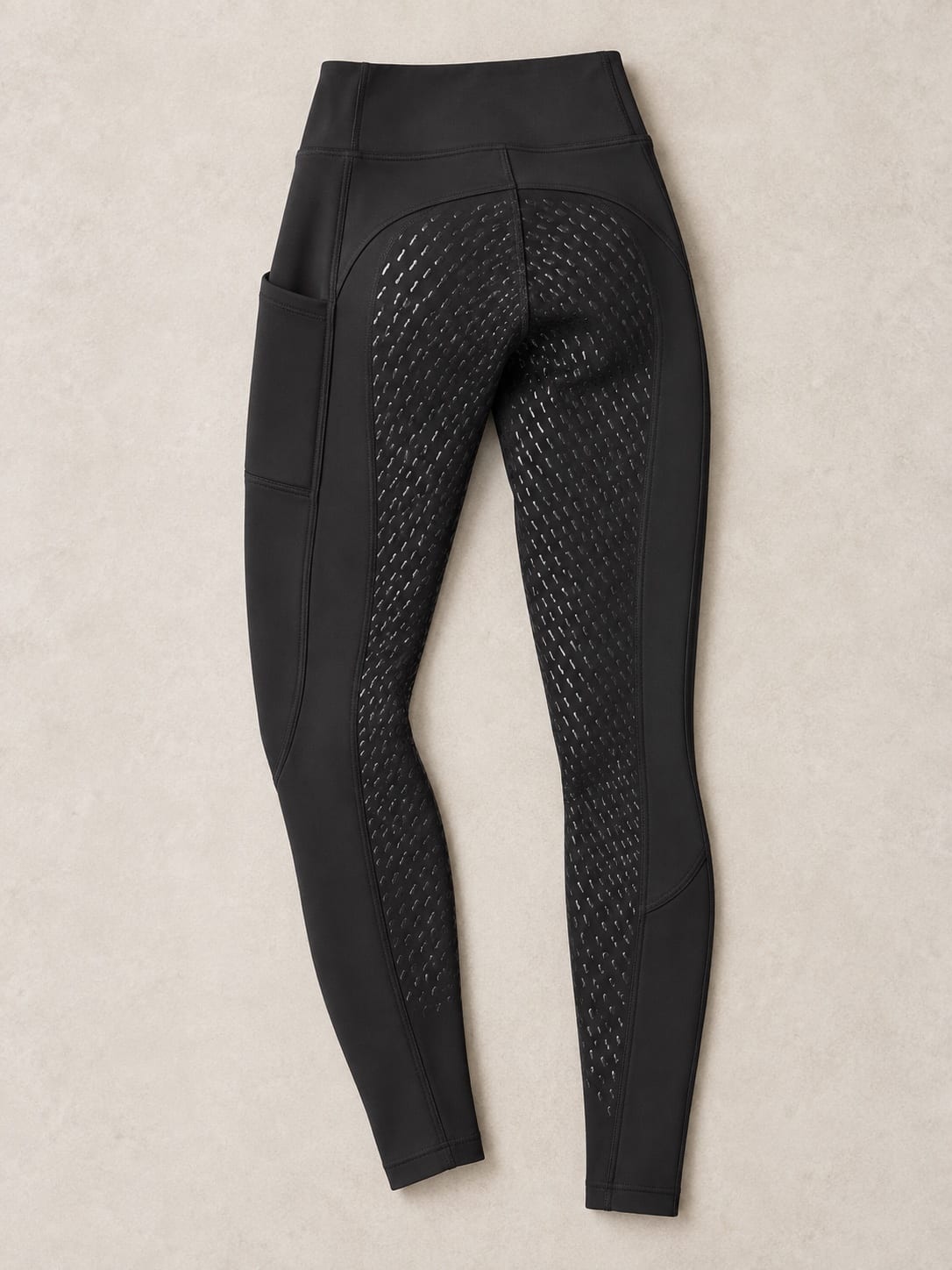
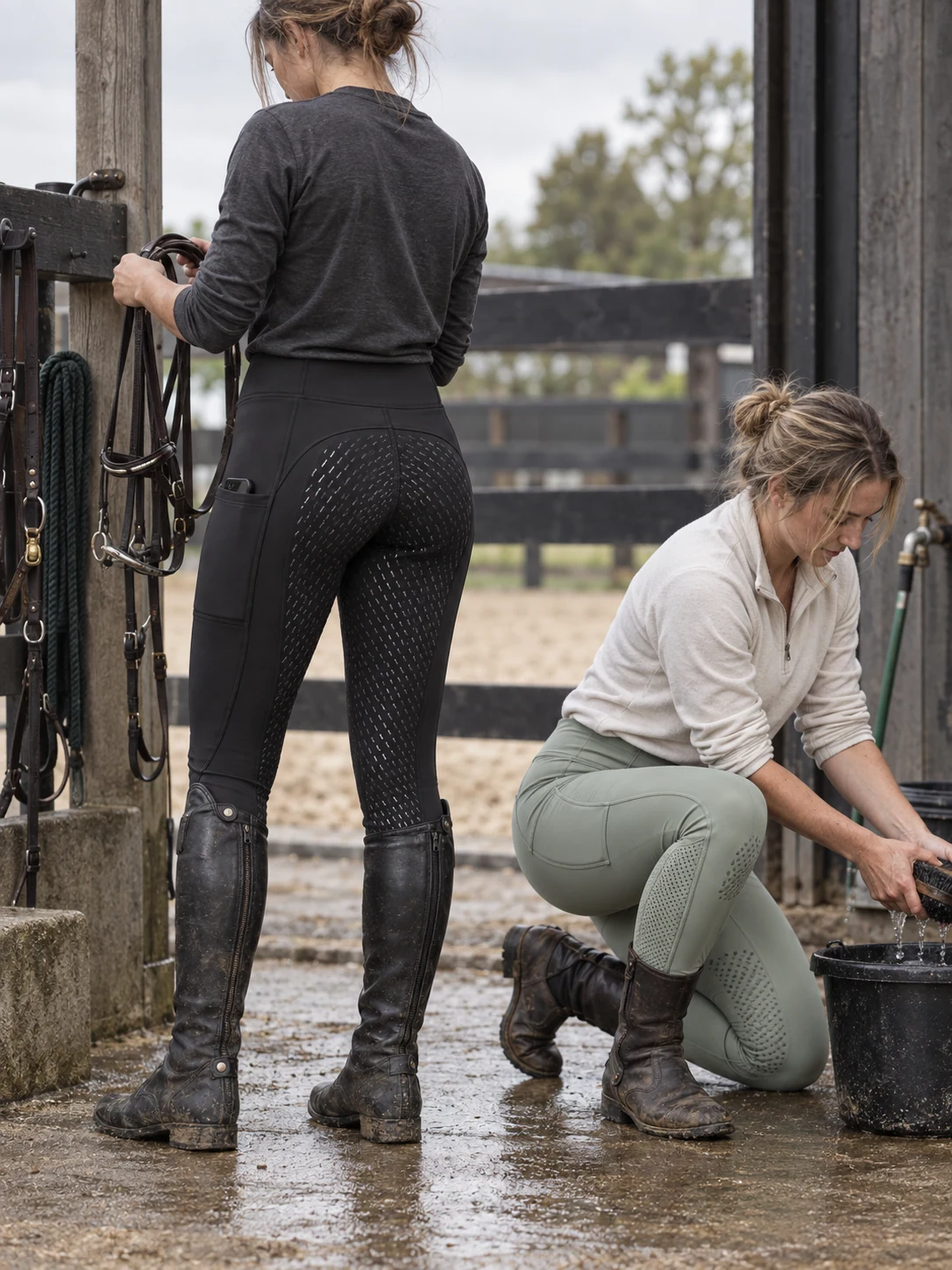
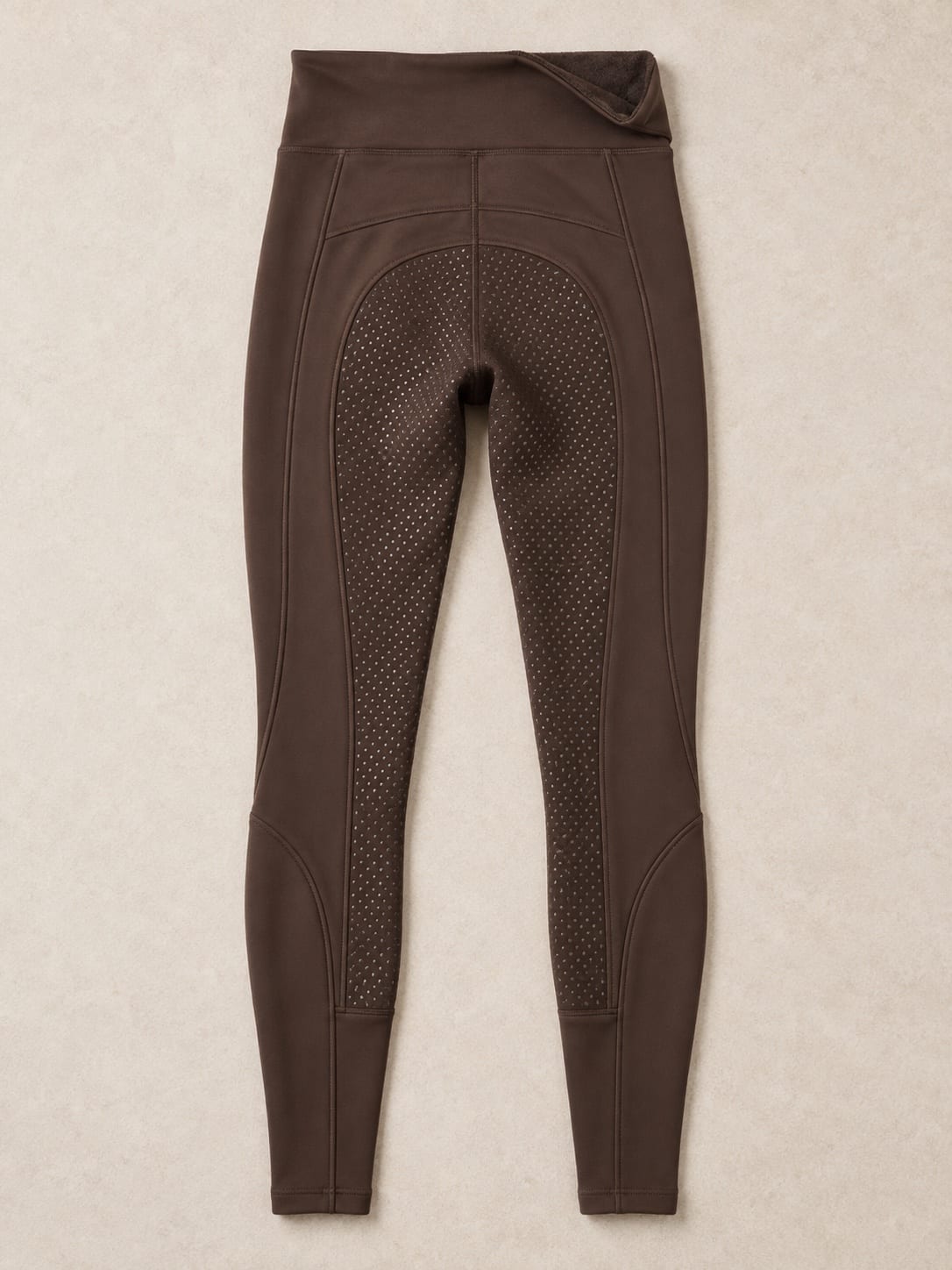
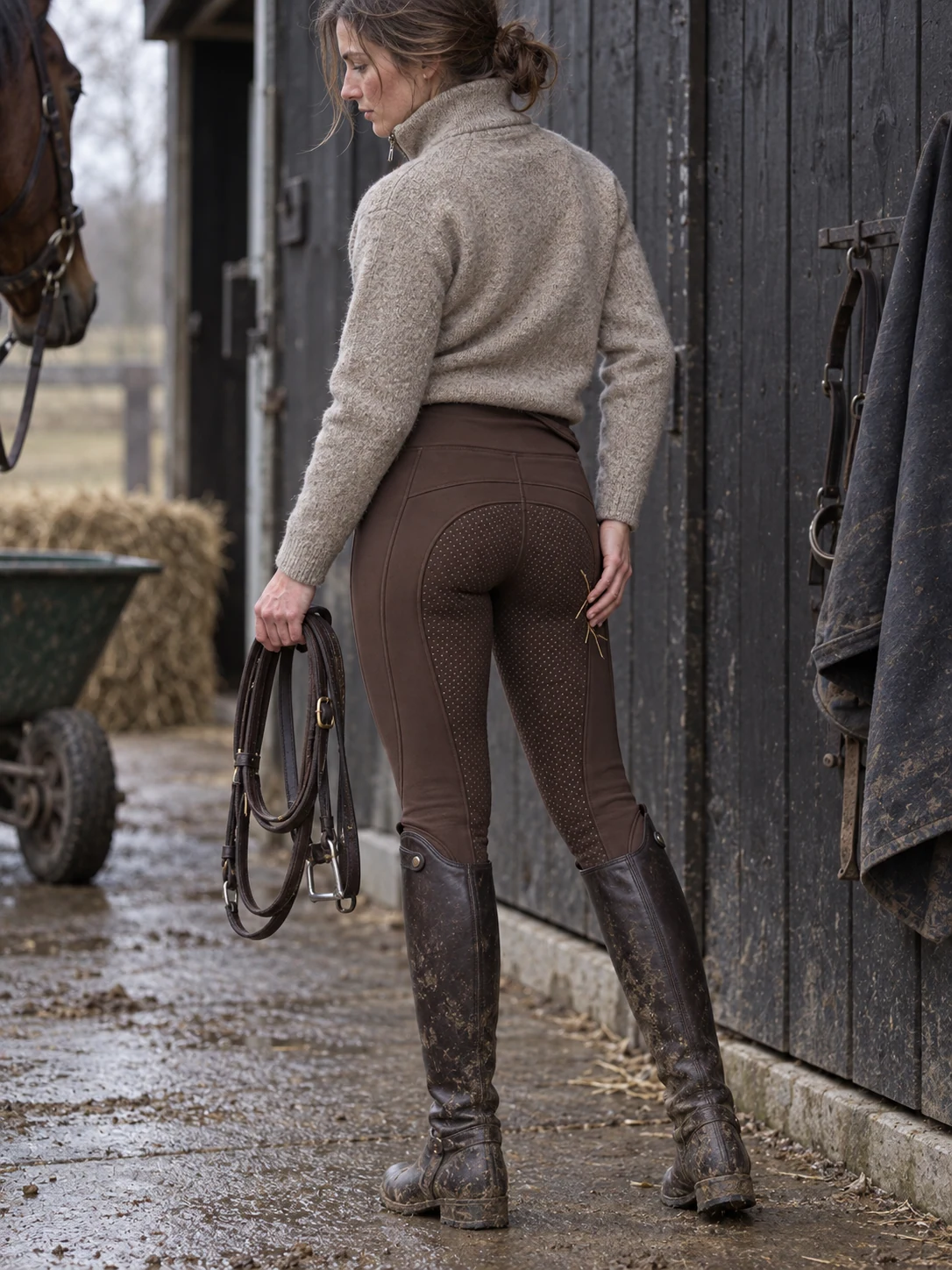
Read the buying guidePrivate label winter brushed riding tights for equestrian brands: brushed fabric, stretch recovery, grip and wash checks for bulk production. Request an OEM quote.
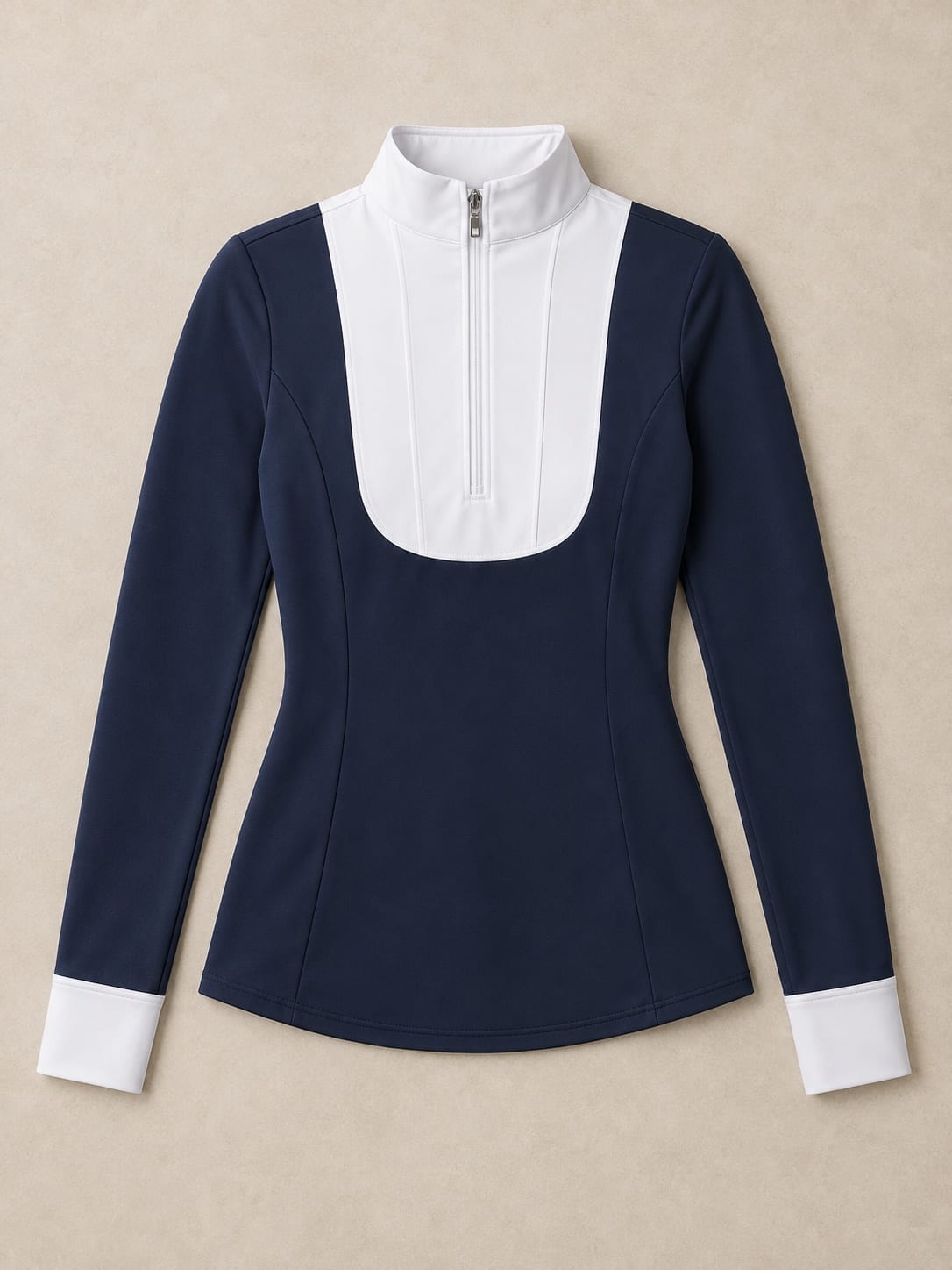
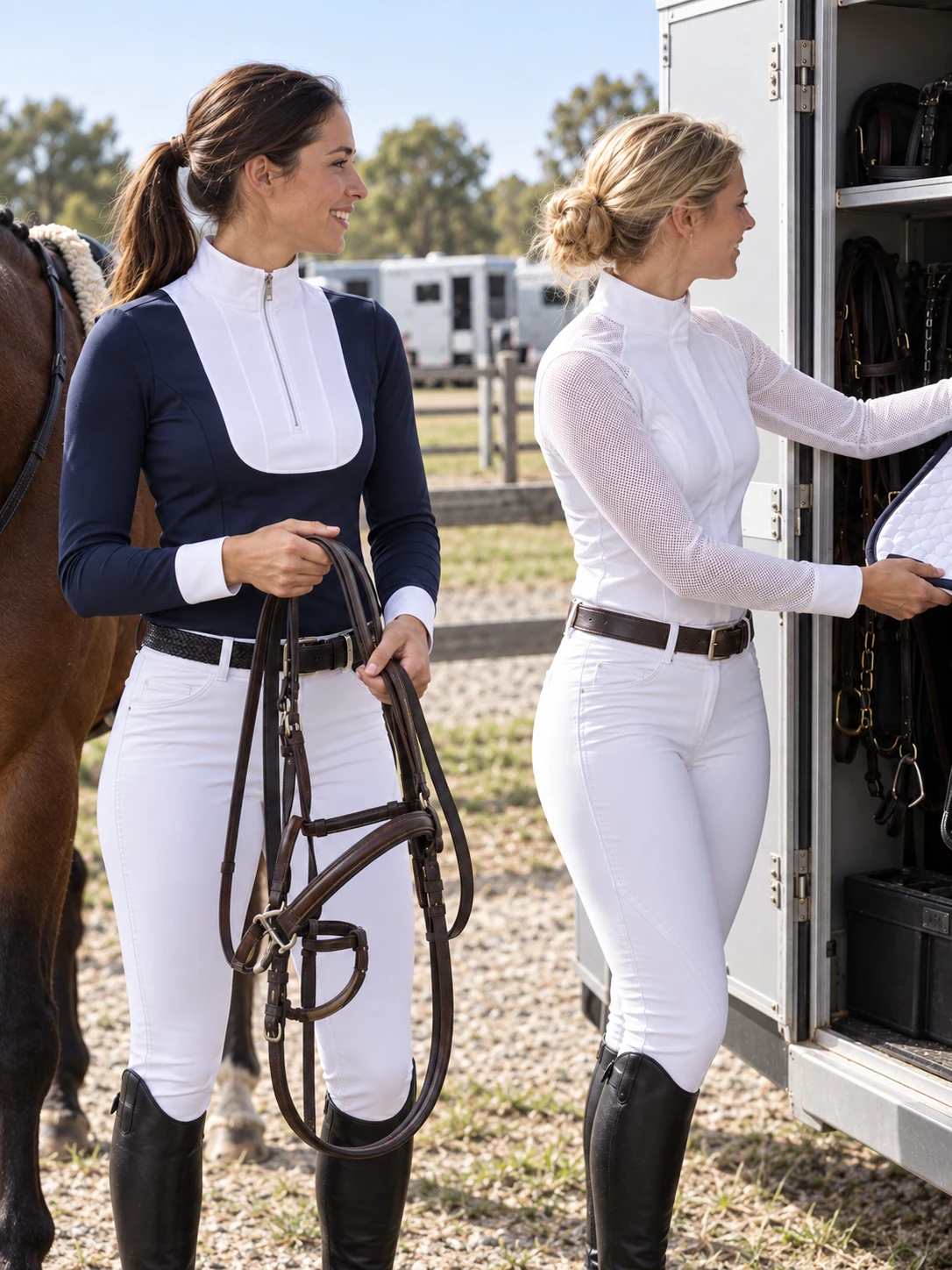
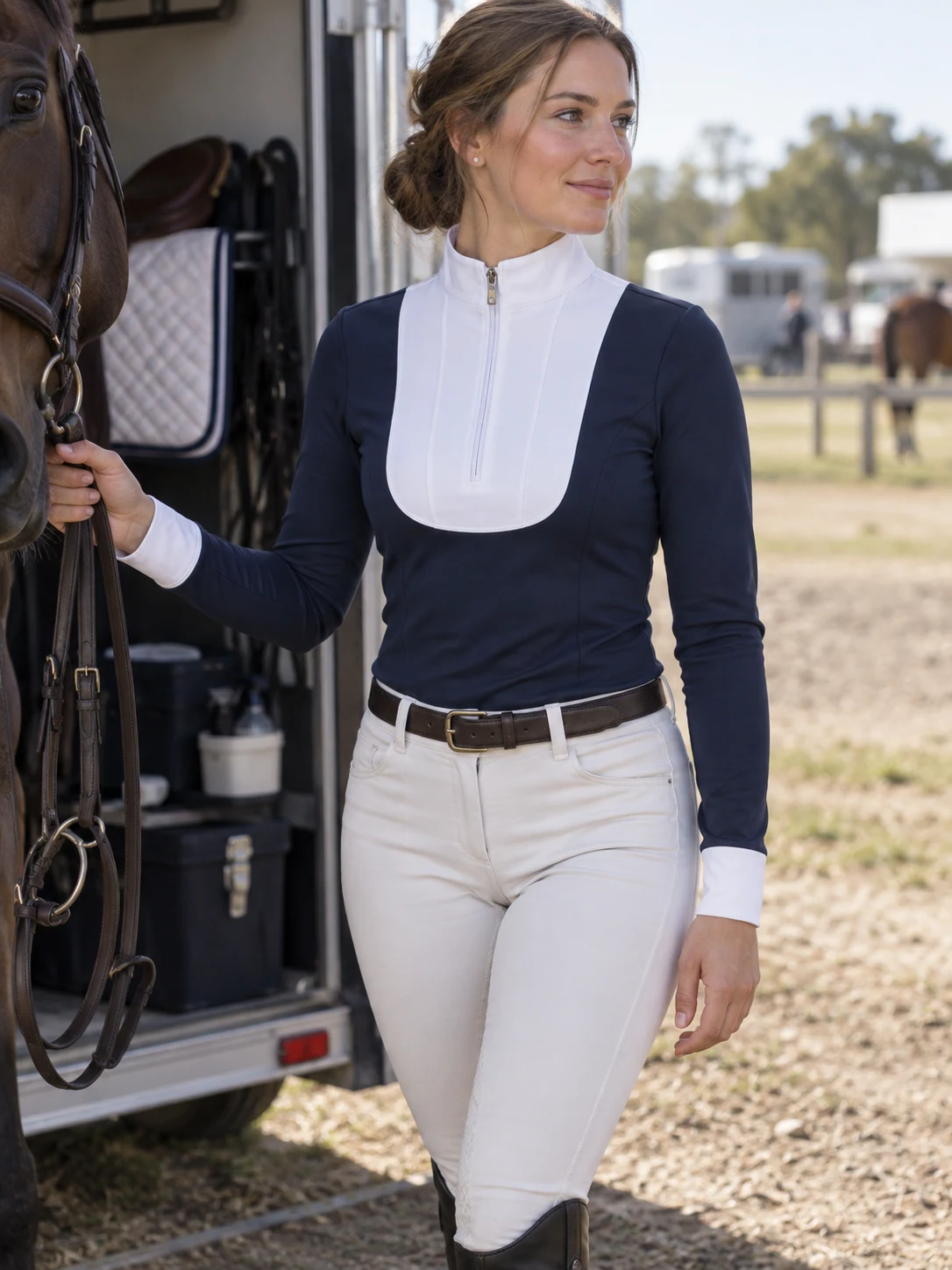
Read the buying guidePrivate label white-bib show shirts for equestrian brands: bib coverage, collar, cuffs, opacity and jacket fit before production. Request an OEM quote.
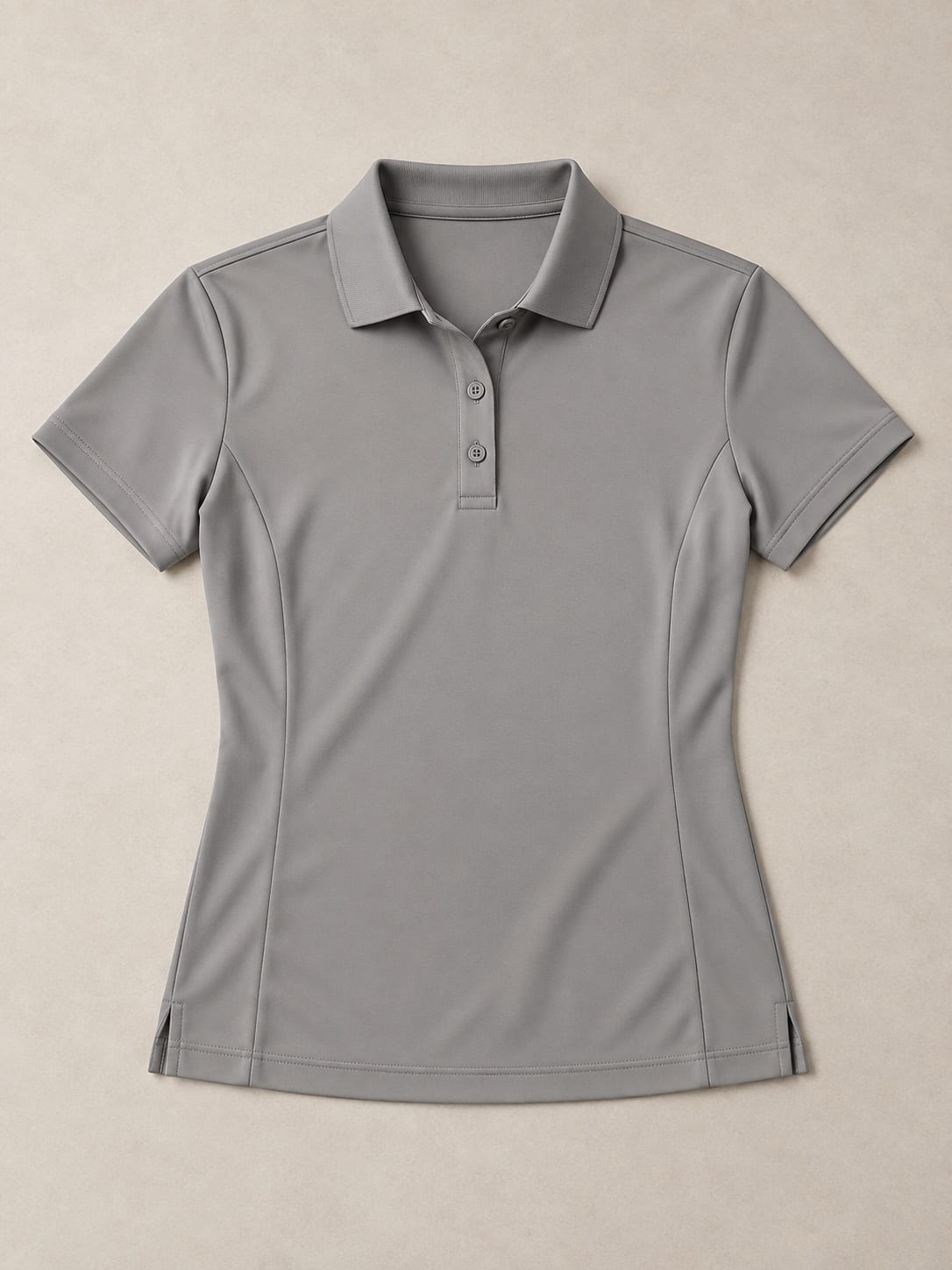
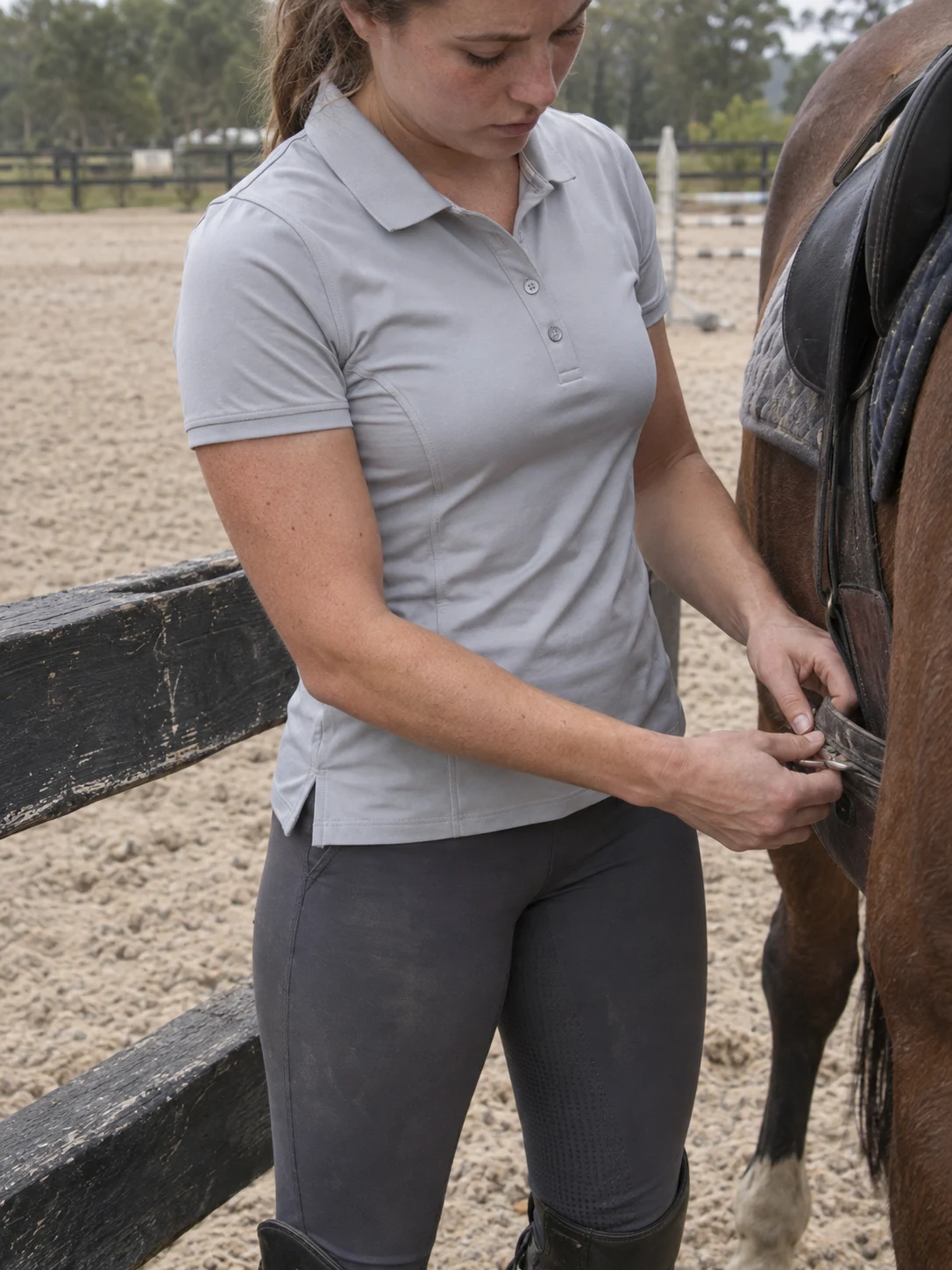
Read the buying guidePrivate label technical riding polos for equestrian brands: collars, plackets, fabric targets, logo durability and sample approval. Request an OEM quote.
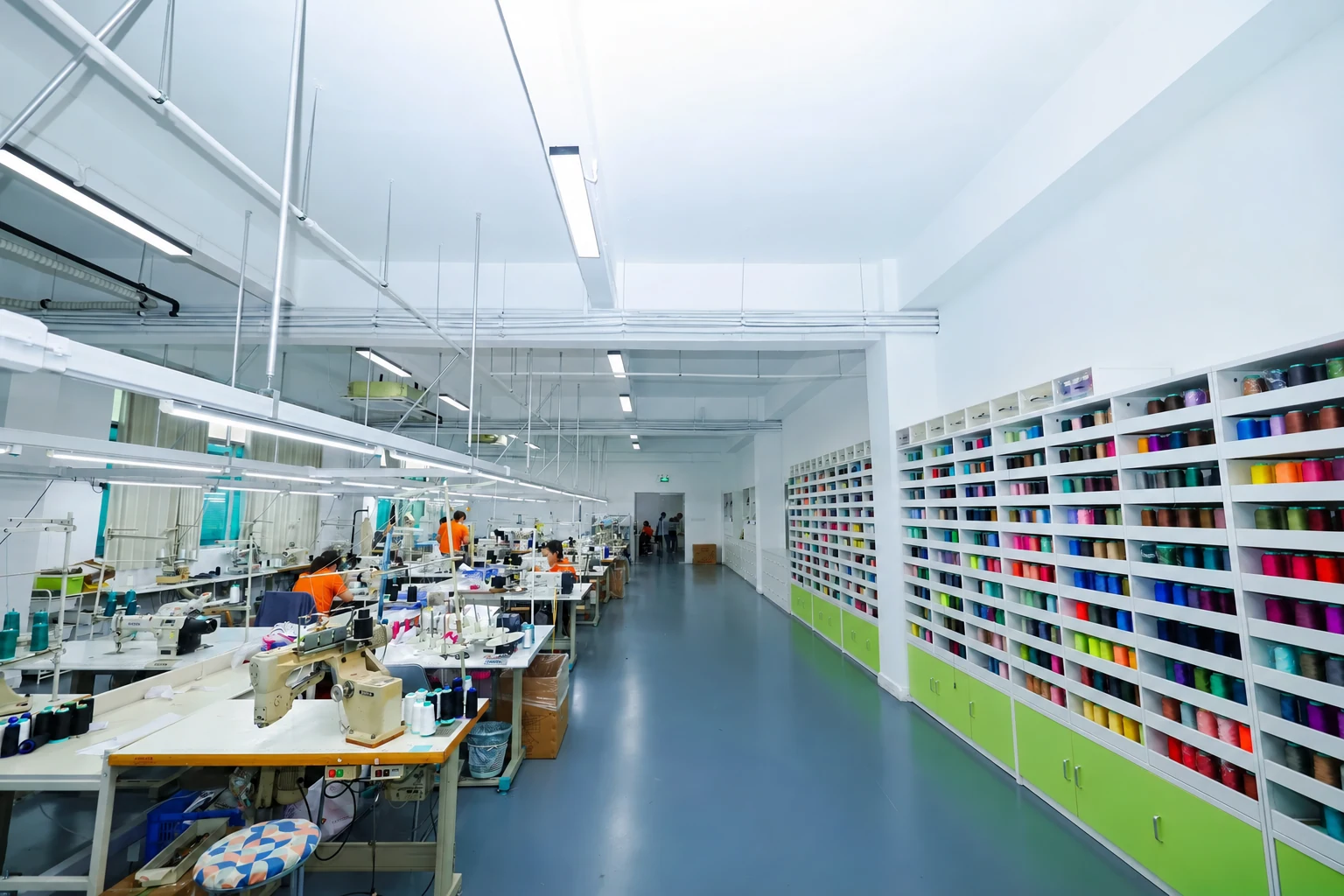
Read the buying guideTen years of manufacturing experience. A direct conversation about the garment you want to make.
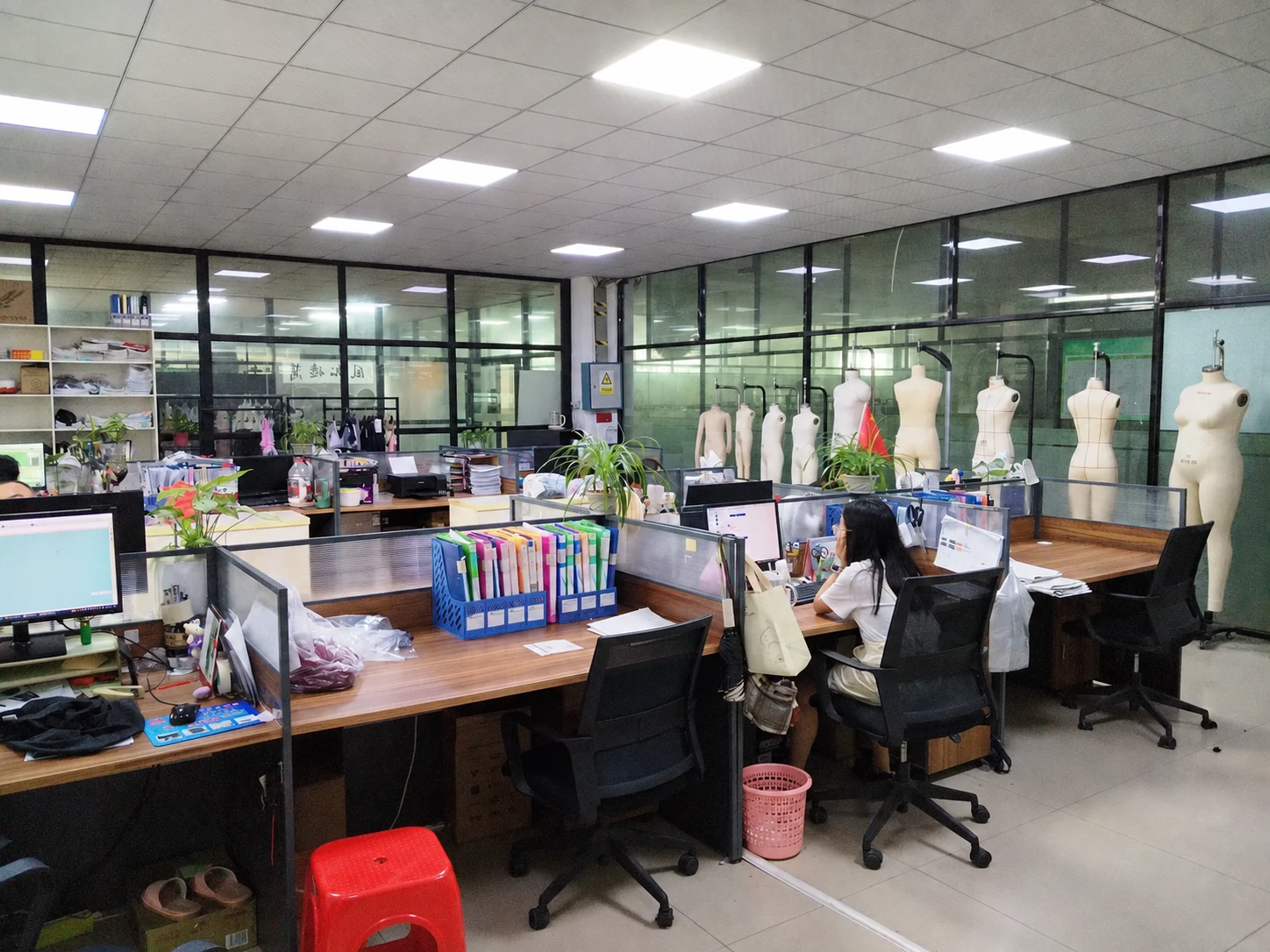
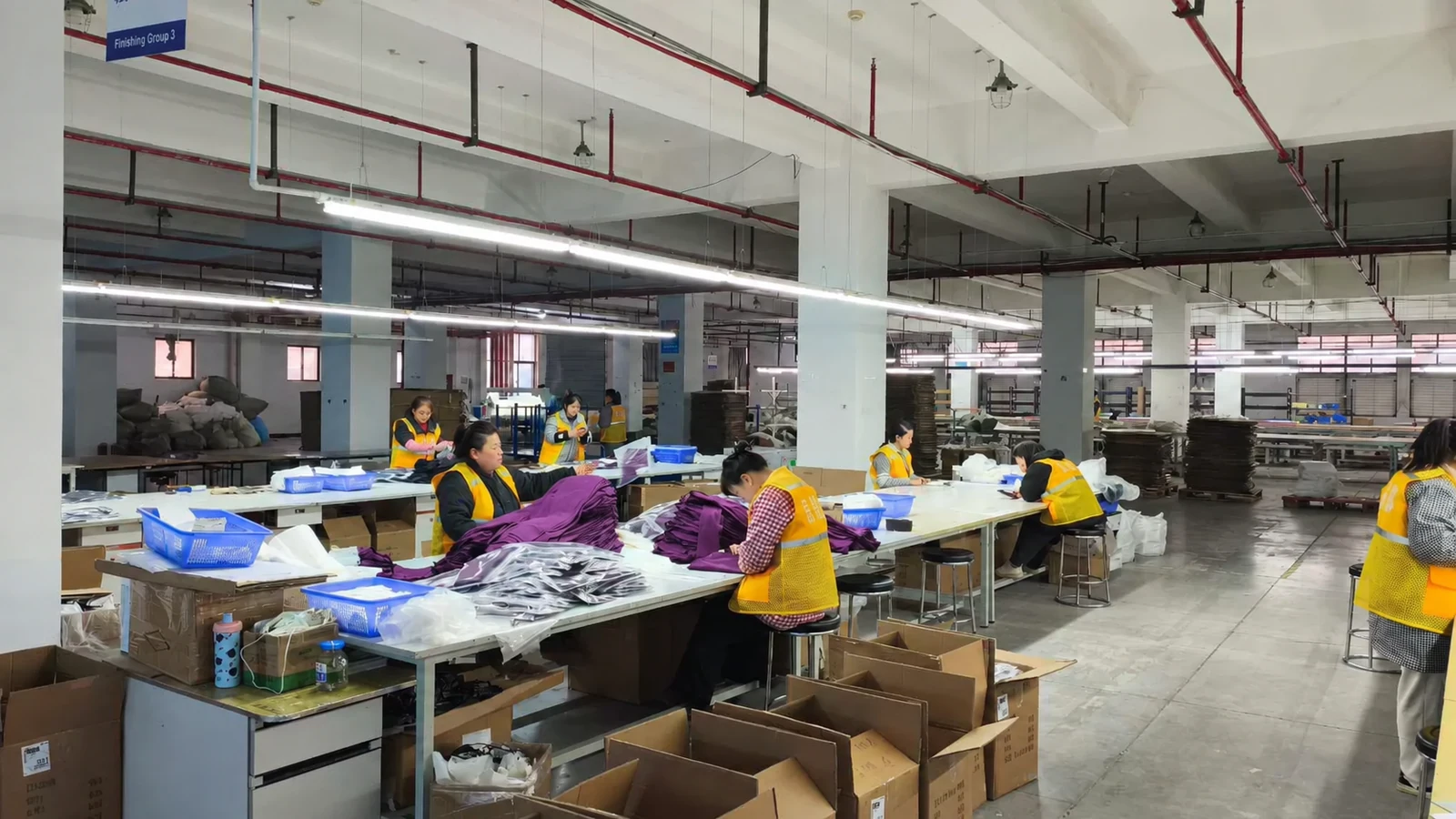
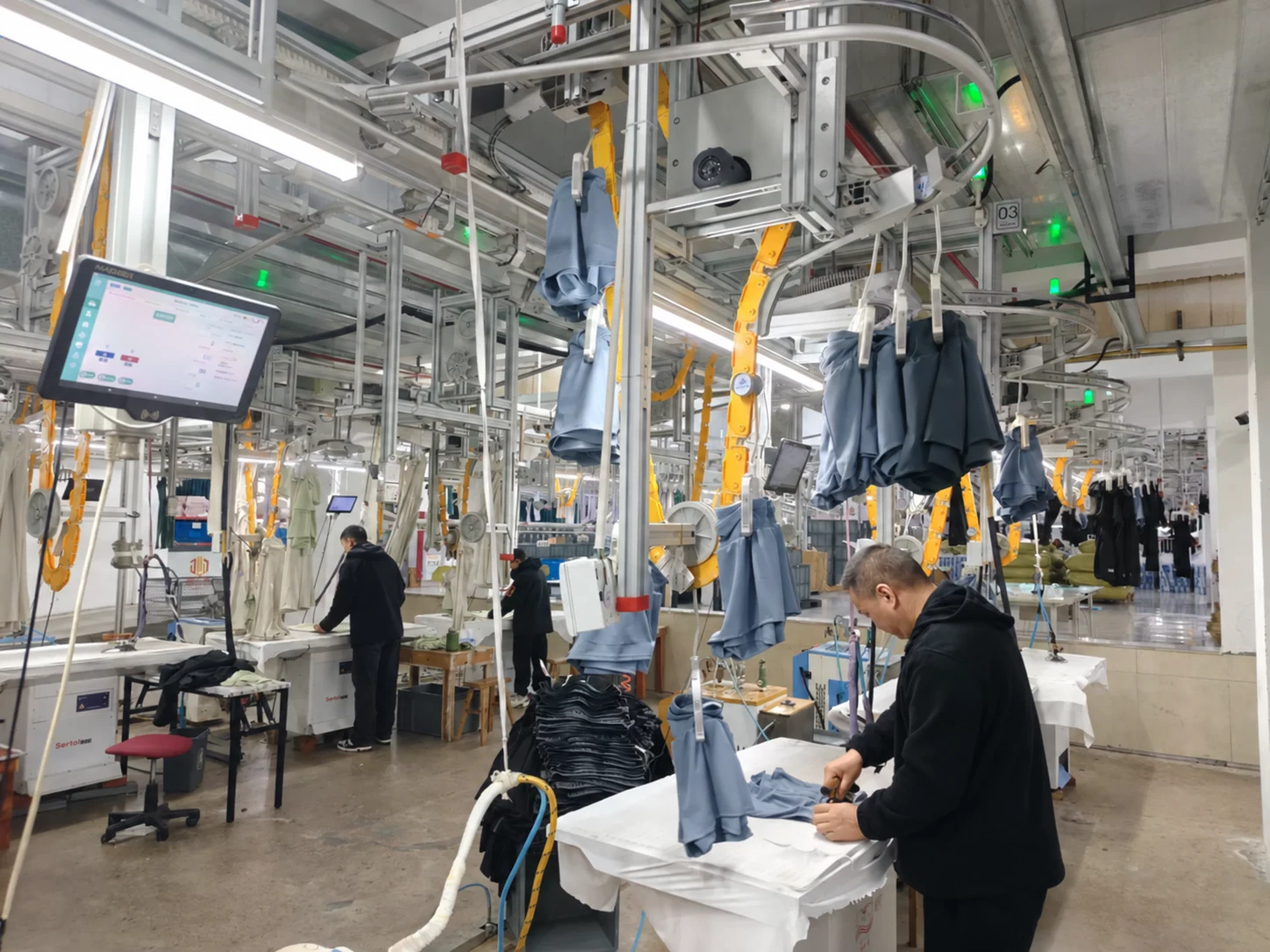
Inside our factory
Translate the rise, seat, seams and size brief into a sample you can assess. Resolve the fit before repeating it across your range.
Explore this stageSelect a material to explore its construction, garment applications and sample checks.

Intersecting yarns create a defined surface. For breeches or an outer shell, discuss stretch direction, recovery and how the fabric behaves at a bent joint.
How does the selected fabric behave through a bent hip and knee?

Looped yarns give a different movement and hand feel. The finished weight, yarn and construction matter as much as the fibre composition on the label.
Does stretch recover after movement, without the garment losing its shape?

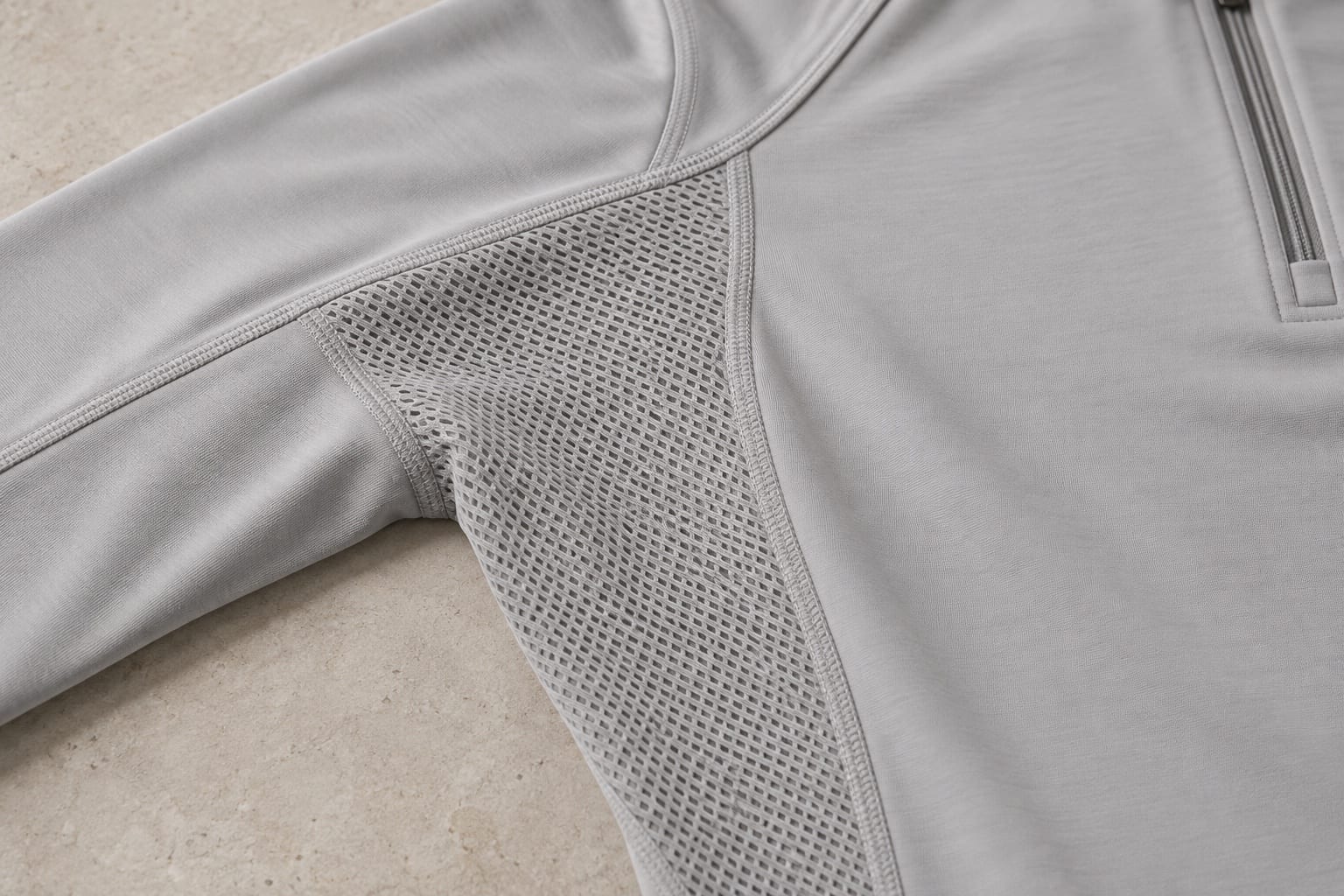
An open structure changes coverage and the way adjoining panels behave. Decide where openness serves the rider and where the garment needs a more opaque surface.
Where can an open structure add ventilation while maintaining the coverage you want?

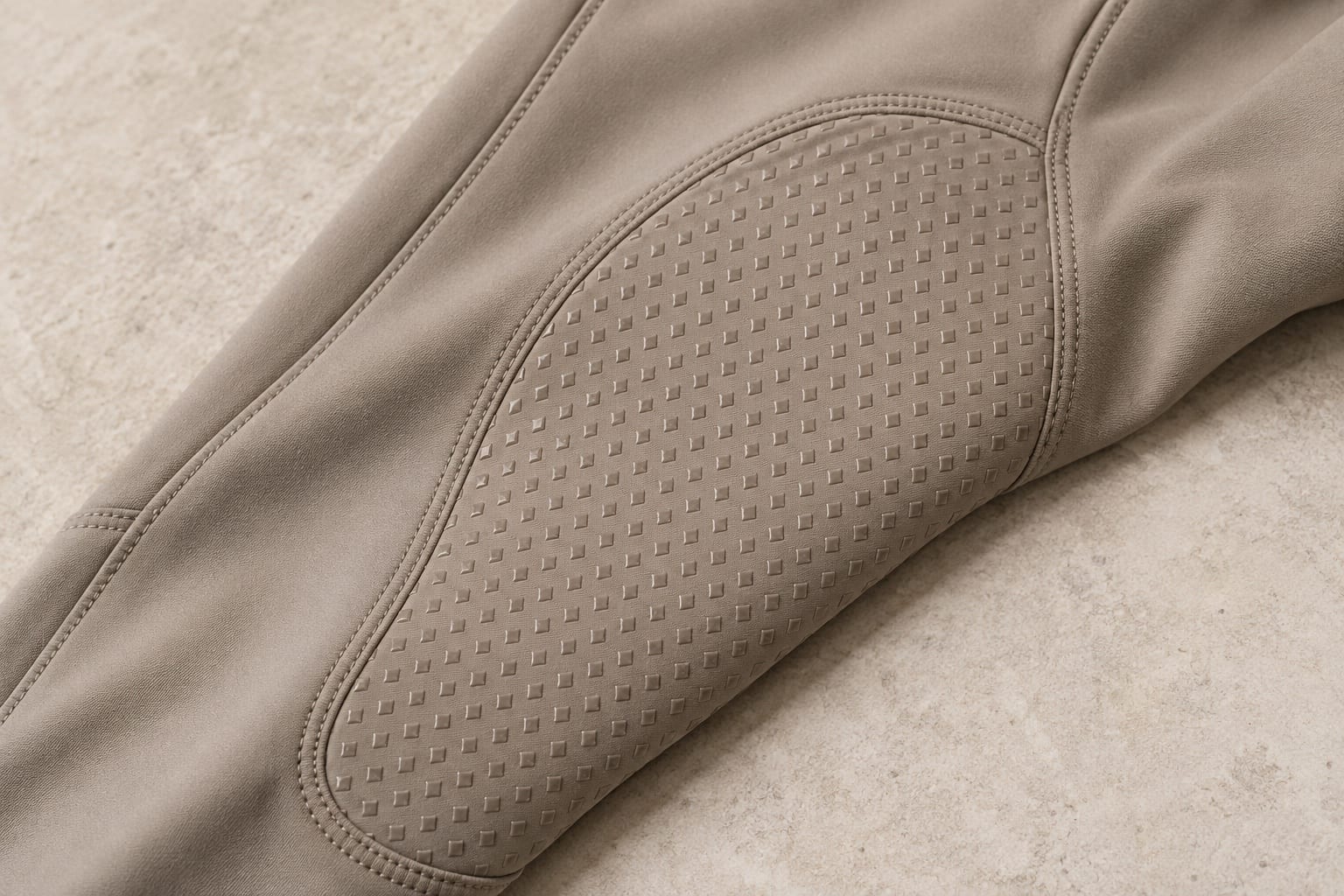
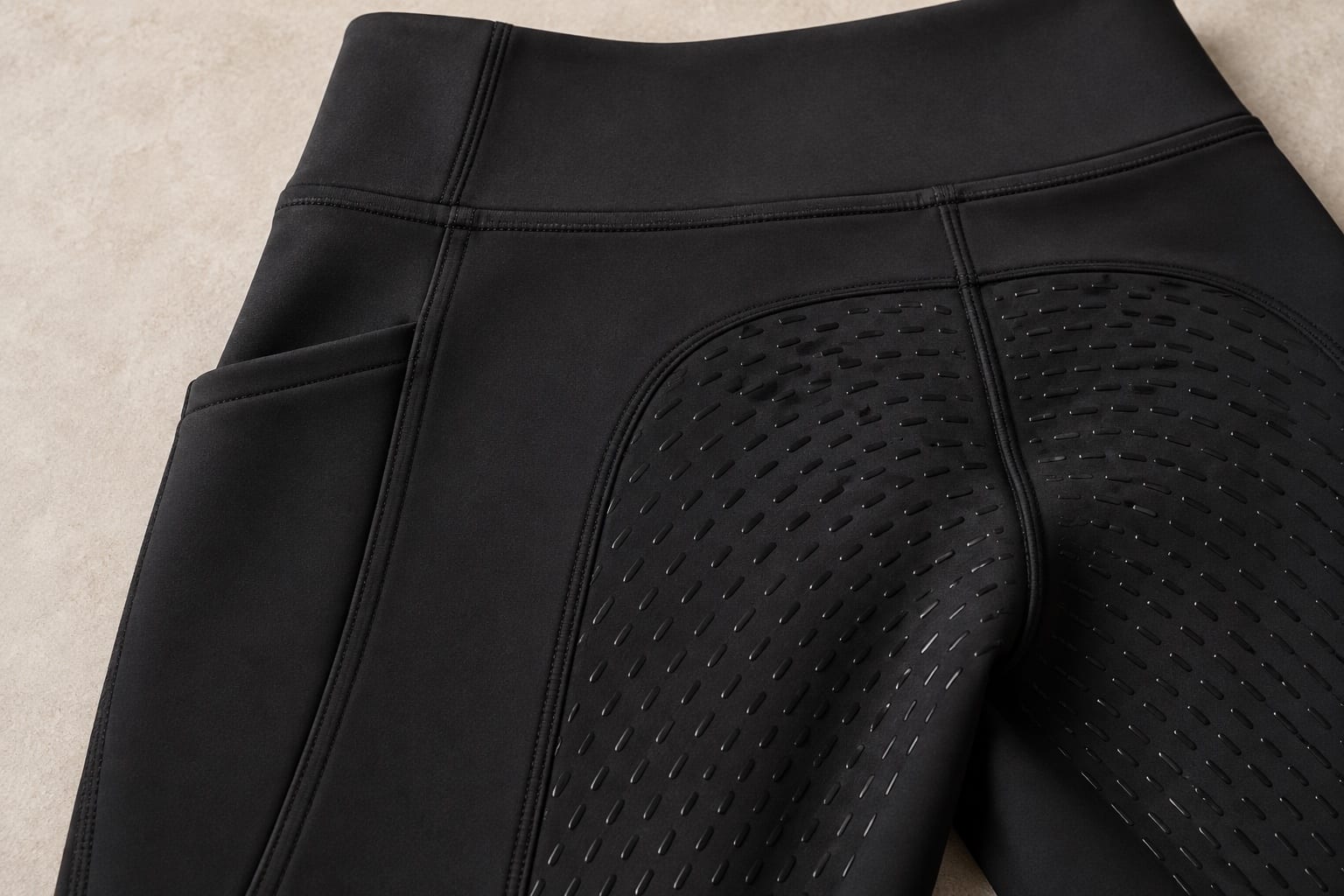
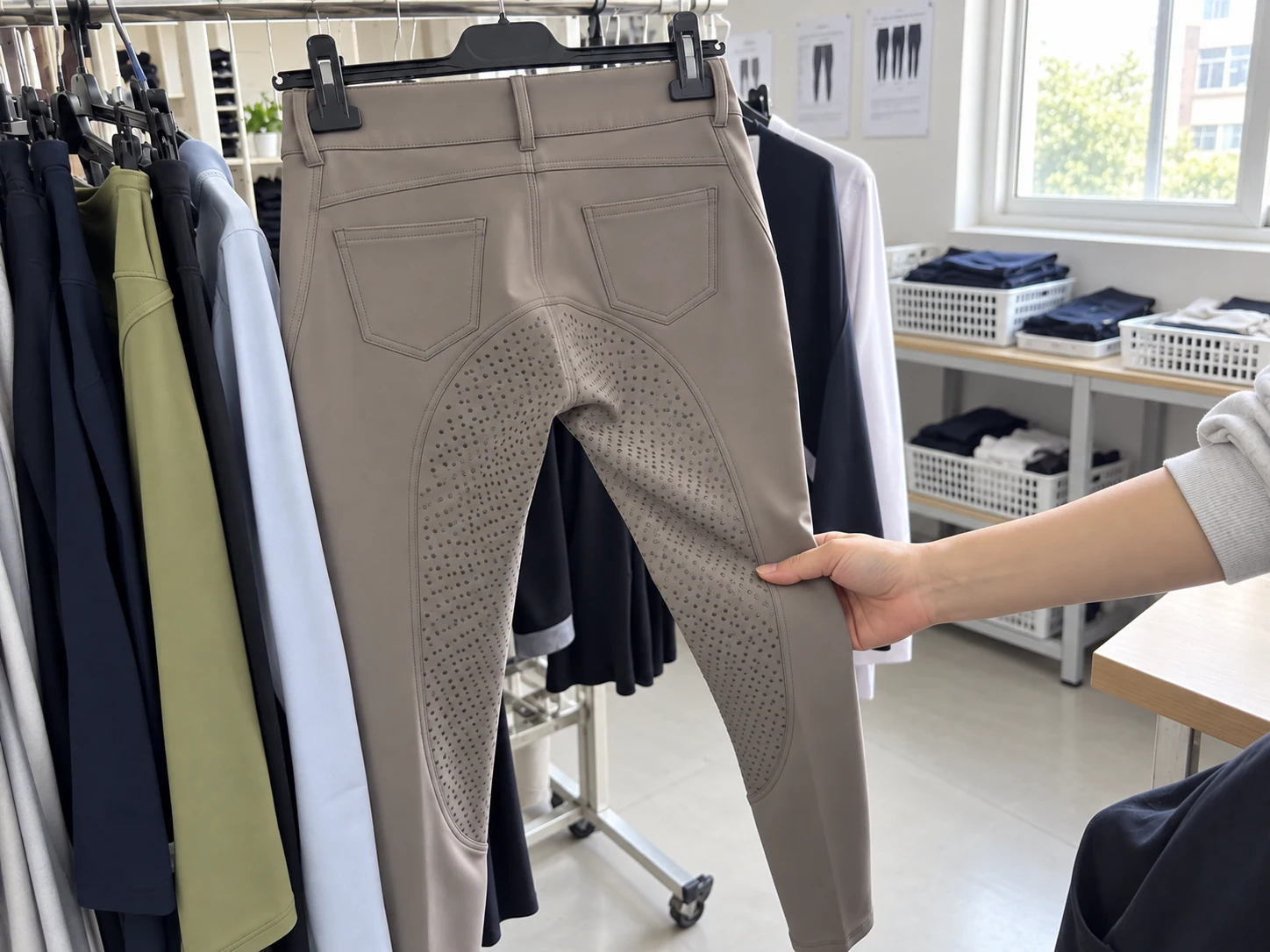
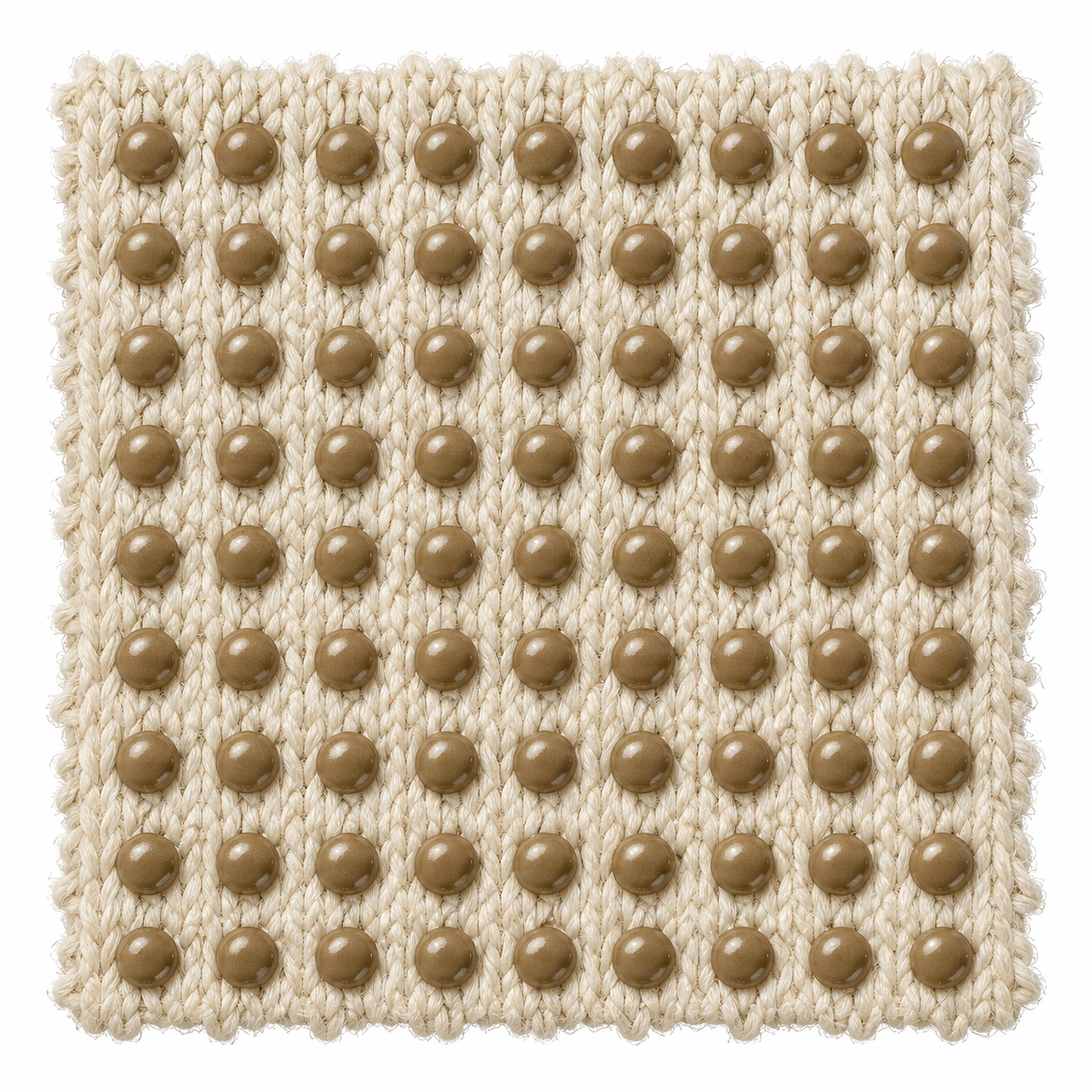
A grip print is a separate component applied to a base fabric. Coverage, spacing and placement affect the feel; agree the artwork and evaluate the actual application.
What coverage and contact feel should the rider review on the assembled sample?

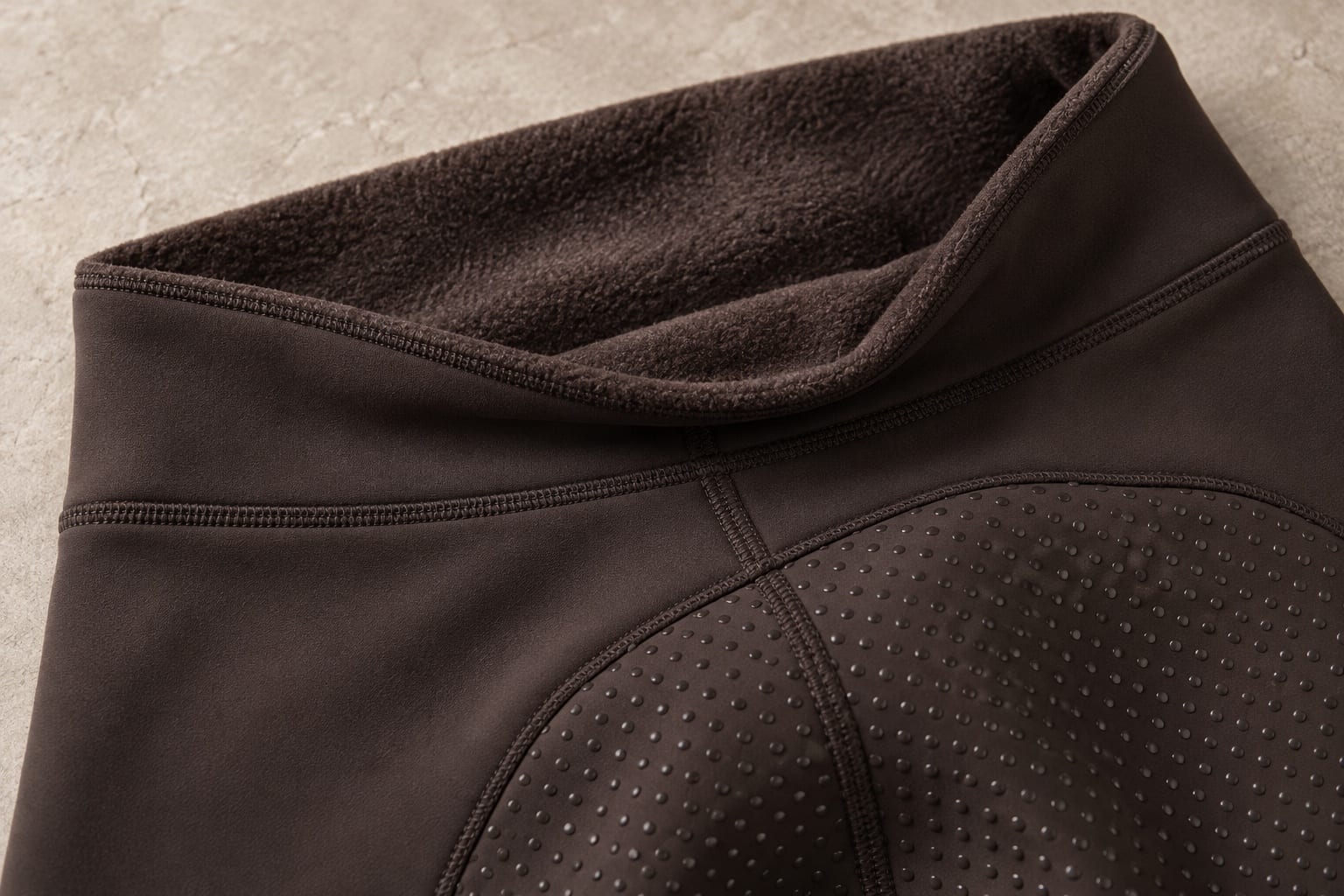
A raised inner face changes the touch and bulk of a fabric. Consider it together with the rider’s other layers, boot interface and intended care routine.
How much inner loft suits the climate, fit and layering system?

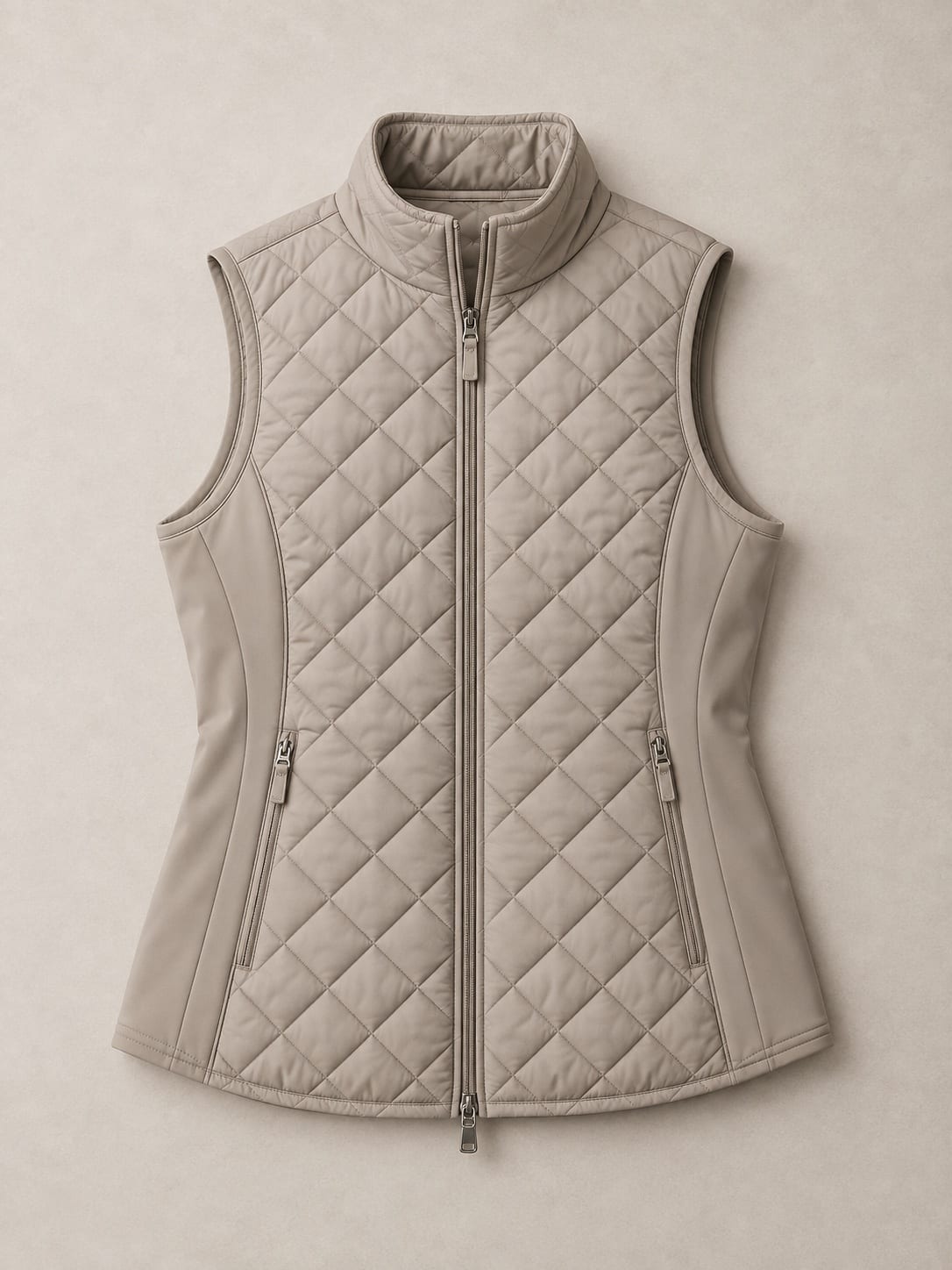
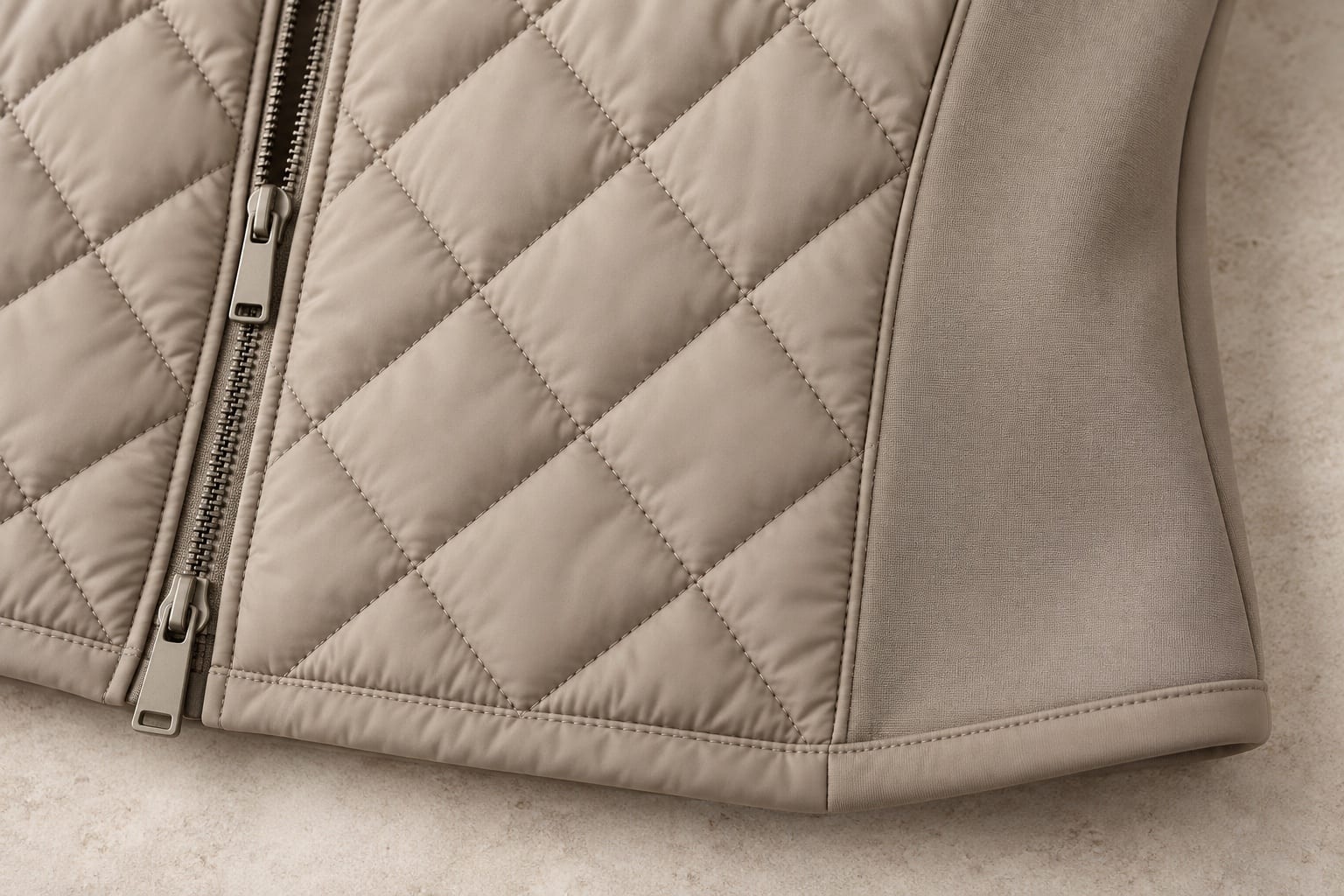
A quilted garment combines layers. The quilt map and seams contain the fill while shaping the finished piece; review loft and mobility in the complete sample.
How should shell, fill and lining work together around the rider’s movement?

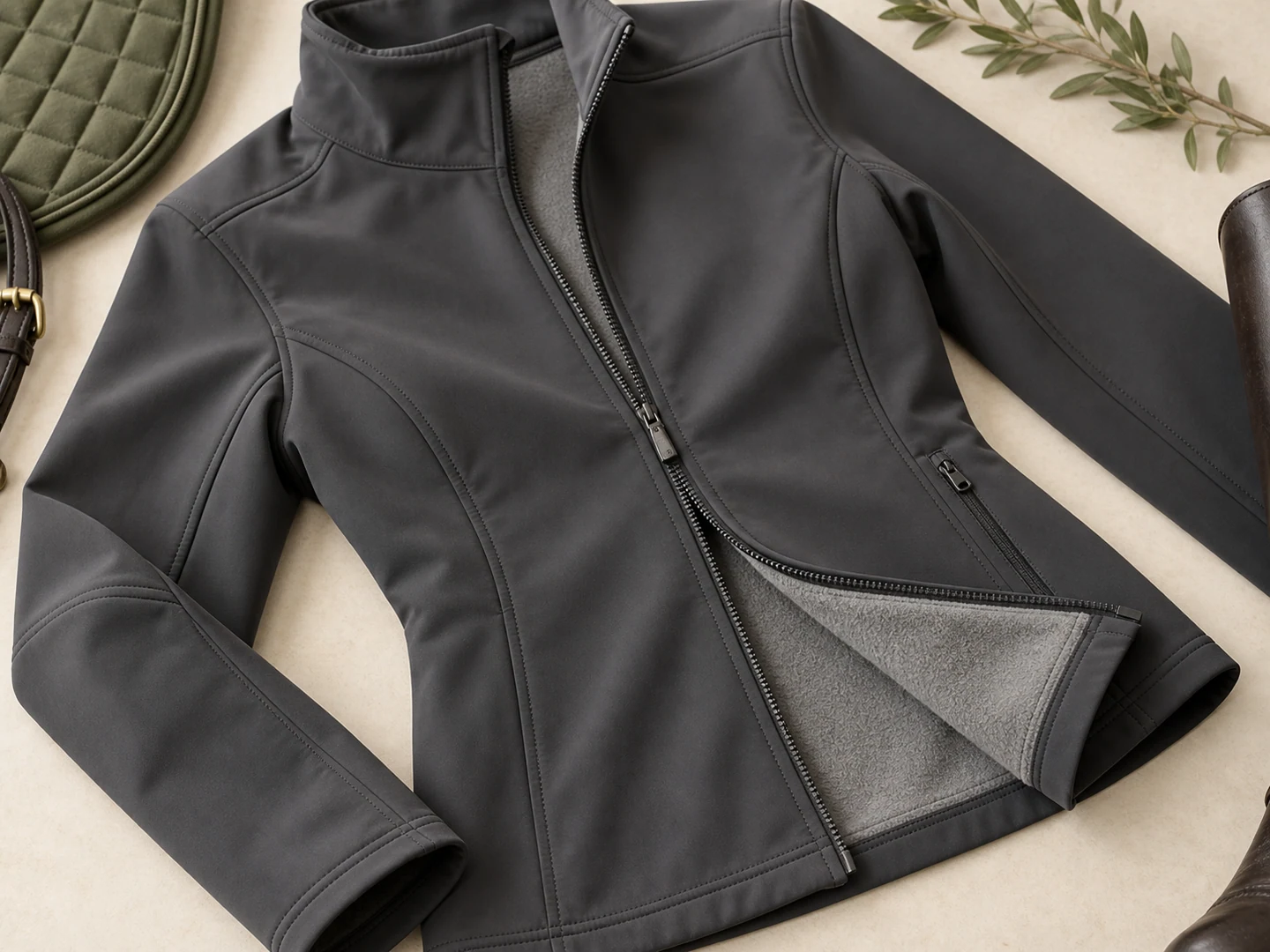
A weather-facing outer layer with flexibility for a riding position. Bonded constructions can combine a durable face and a softer reverse.
Review: movement, hand feel and layer bonding.
Explore garment applications
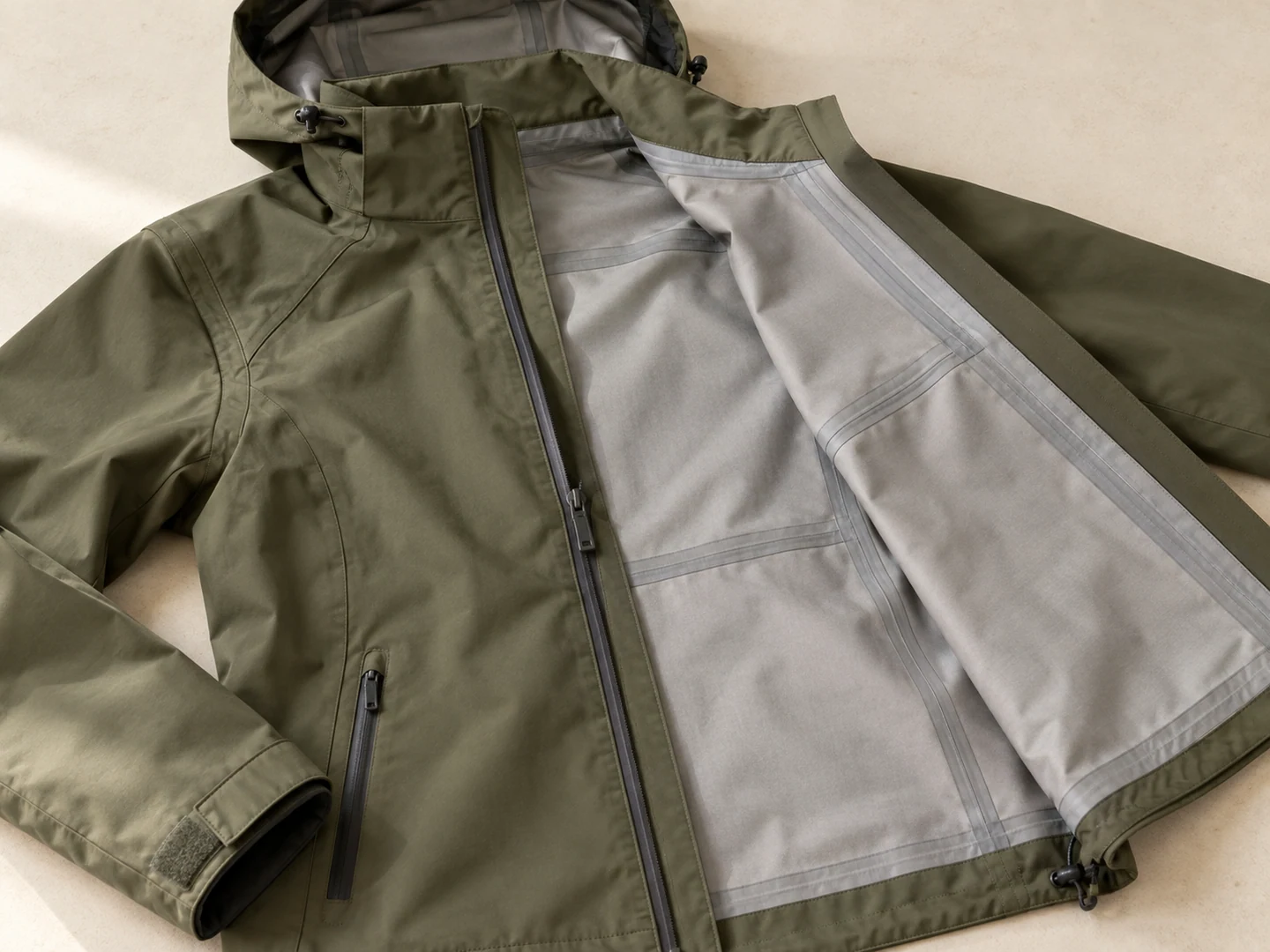
For rain-shell development, consider face fabric, membrane or coating, backing and seam construction together. Agree the weather-protection target for the finished garment.
Review: seam sealing, breathability and test evidence.
Explore garment applications
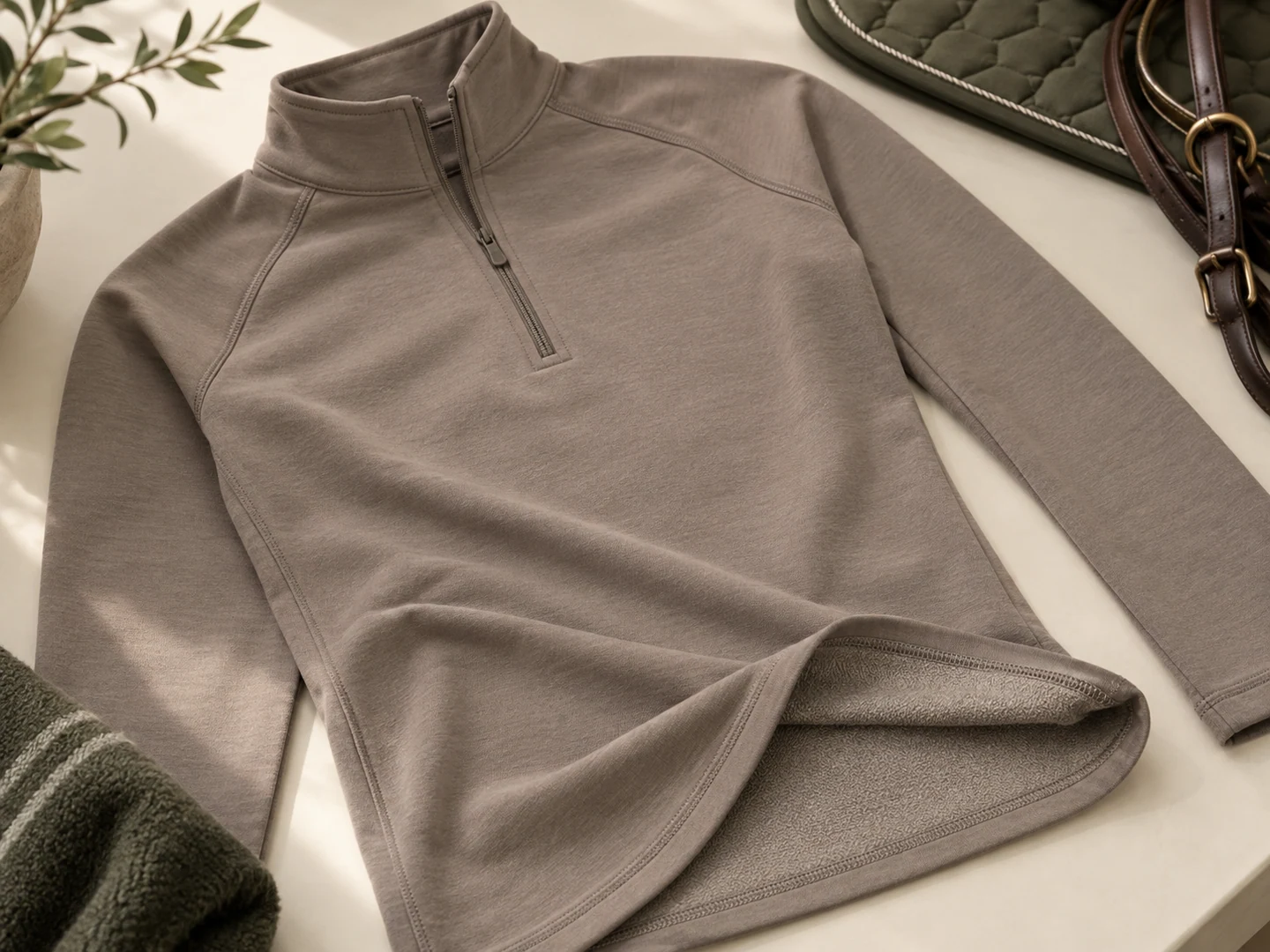
Different inner and outer surfaces can balance next-to-skin comfort with a smooth face for layering. A useful direction for cool-weather training tops.
Review: recovery, inner feel and care performance.
Explore garment applicationsConstruction studies and garment concepts. Fabric selection, composition and performance targets are agreed and reviewed for your project.
A clearer process for better apparel

Project goals, ideas and requirements.

We develop the agreed sample.

Fit, function and feedback.

Approved styles move to production.
Revisions and transit are planned separately.
A clear path from
concept to collection.
Your rider. Your product. Your point of view. A tech pack, reference or clear idea is a place to start.
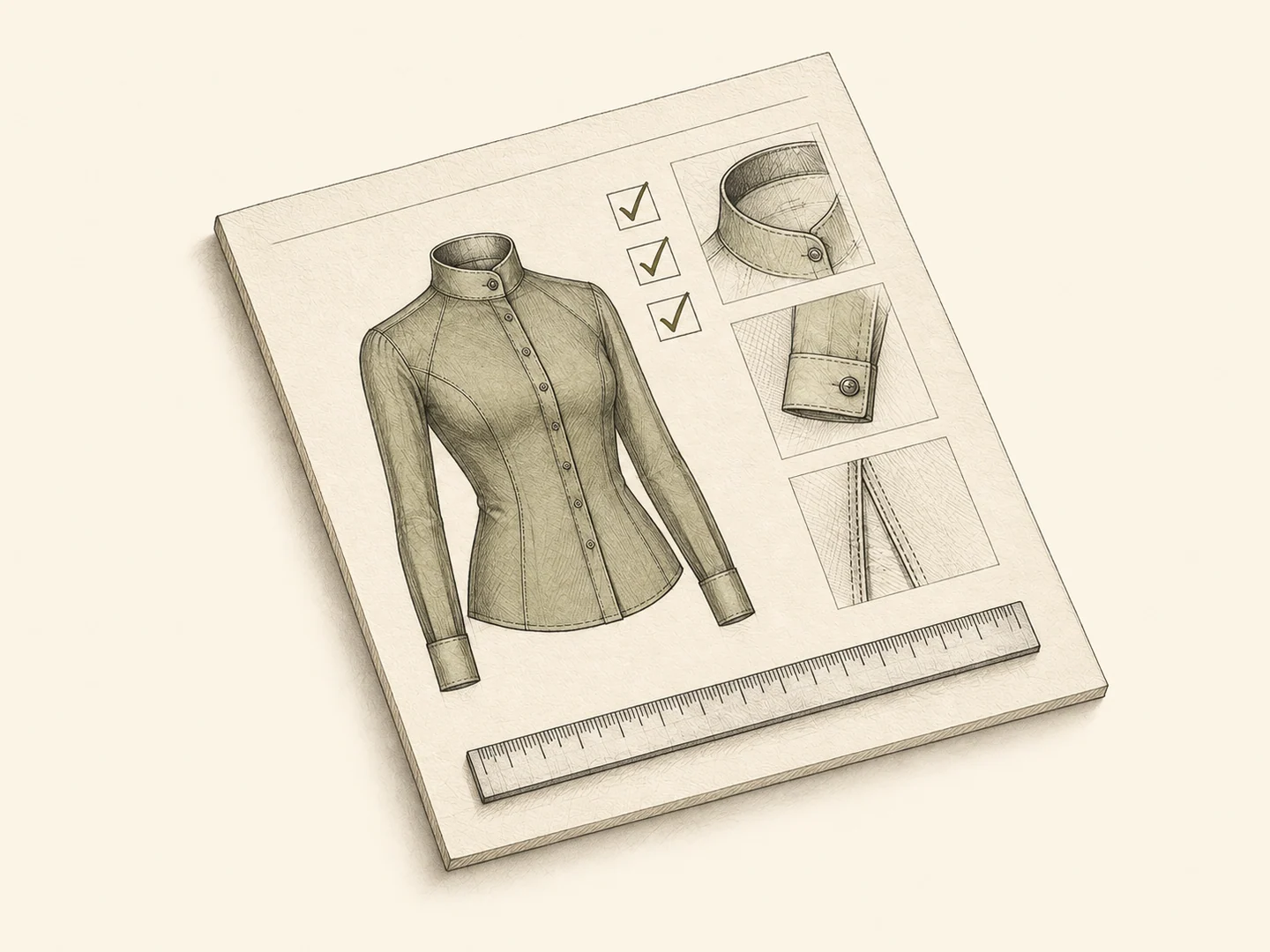
Turn the agreed specification into a development sample. Review the fabric, fit and construction.

Refine measurements, colour and finishing. Confirm the sample and order details before production.

Move into bulk production from 100 pieces per style, per colour. Shipment is planned separately.

Working days exclude weekends and holidays. Start dates are confirmed with the agreed specification and materials; revisions and transit time are additional.
Practical notes for
your next collection.

Specify the destination country, your size chart and measurements, label languages, artwork and quantity per style and colour. Identify any performance claims and supporting test requirements before sampling. We review the product specification and quotation with your team; delivery arrangements are confirmed for the individual order.
REINFORM is an equestrian clothing manufacturer with its own factory, established in 2016. We develop private label collections for brands and specialist retailers. Wholesale equestrian clothing enquiries are reviewed as made-to-order bulk production, not ready-made stock orders. The minimum is 100 pieces per style, per colour.
Our bulk MOQ is 100 pieces per style, per colour. Two styles in two colours require at least 400 pieces in total. Tell us your size breakdown when you brief the collection.
Sampling takes 7–10 working days. Bulk production takes 30–45 working days. We confirm the start date once the specification, materials and order details are agreed. Sample revisions and shipping are separate from these production windows.
Yes. Start with a product brief or reference images. Tell us what you want to develop, who will wear it and what makes it different. We will review the missing specifications with you before sampling.
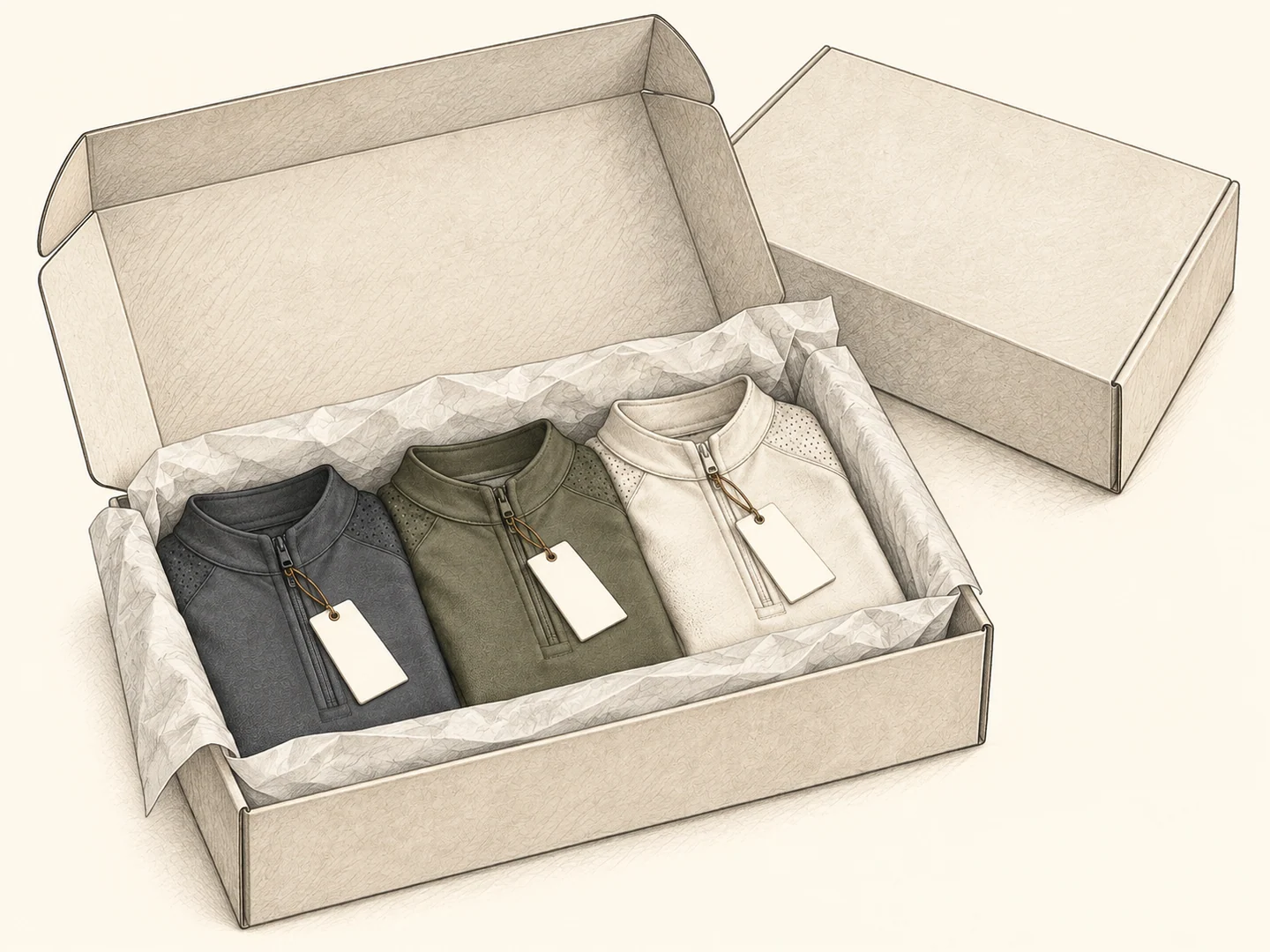
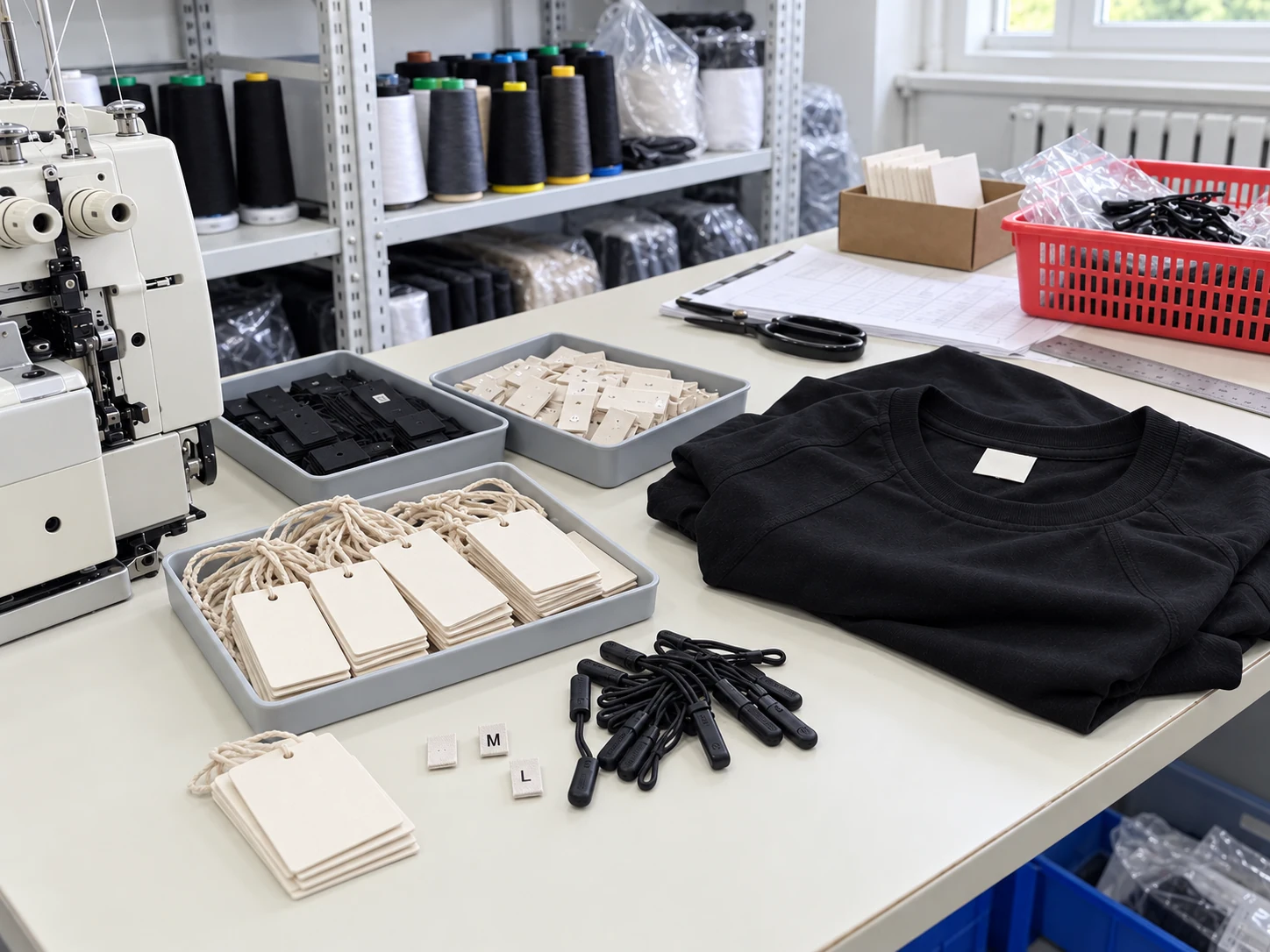
Share your requirements for fit, colours, grip layout, logo placement, labels and packaging. We review each detail for the chosen garment and confirm the feasible specification and quotation before development.
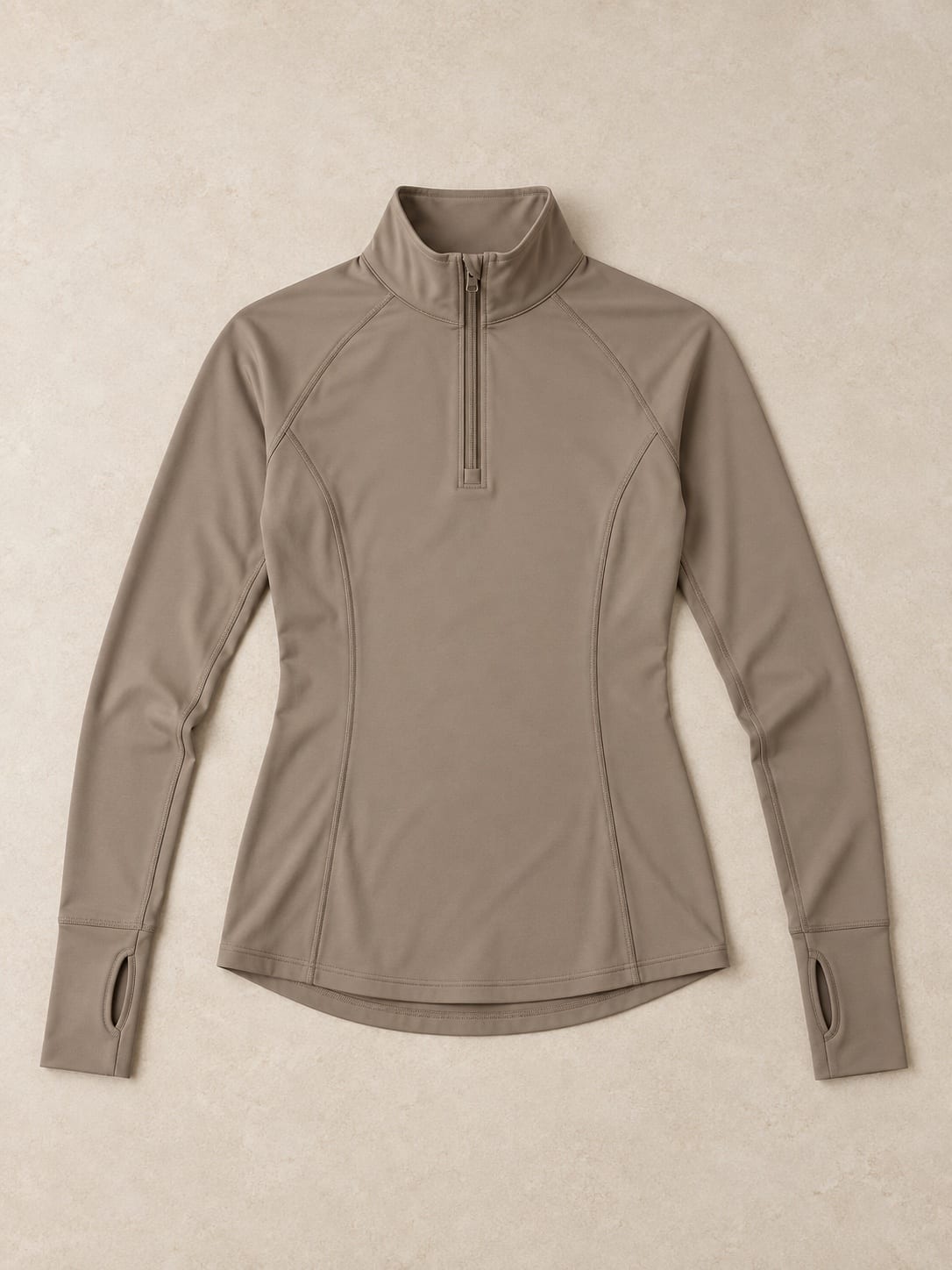
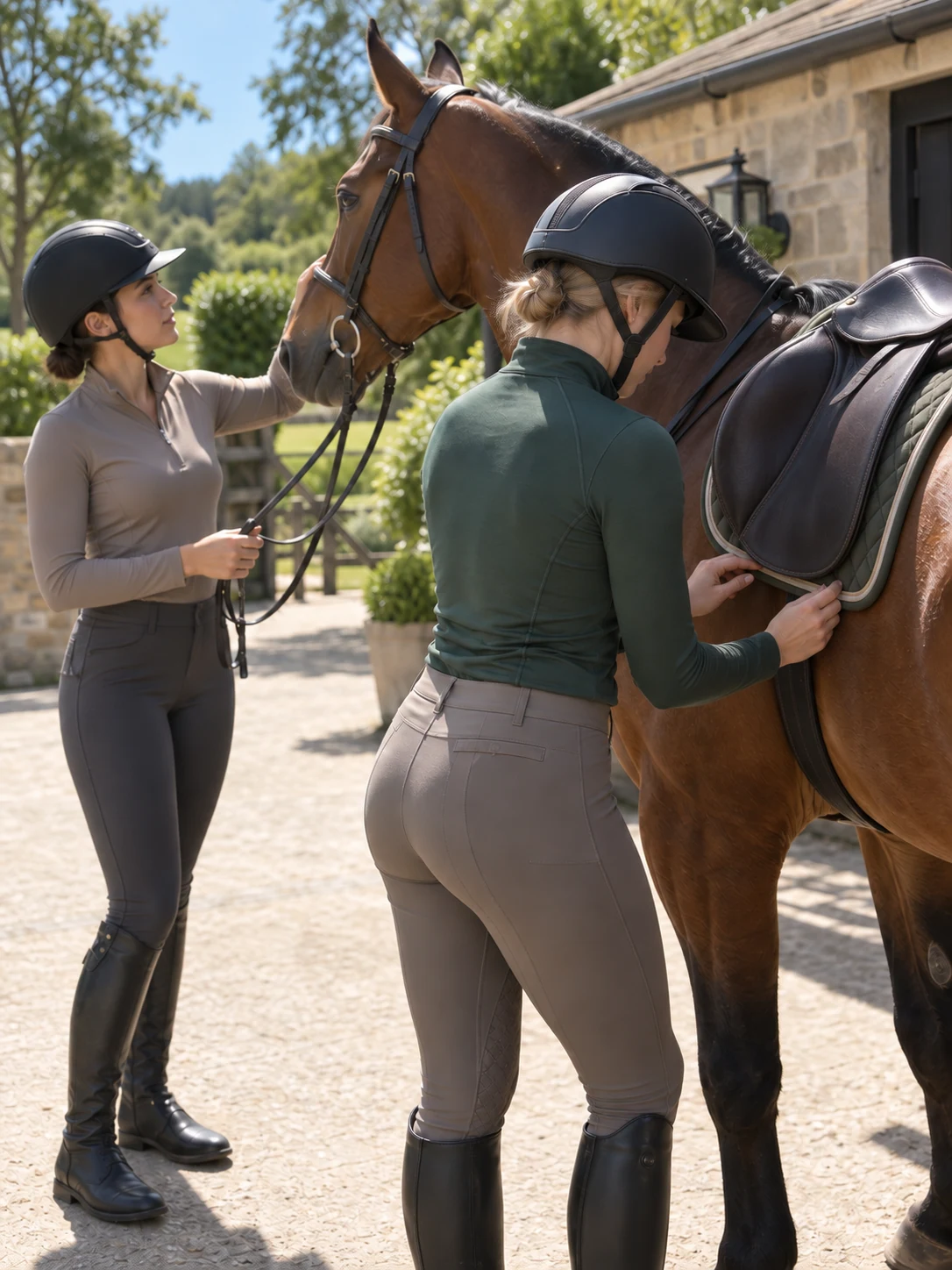
The images show original development concepts, not stock available to ship. They help you communicate a product direction. Final construction, materials, fit and colour are agreed through the sample process.
Include your product type, quantity per style and colour, destination market, desired timing and any references. A size chart, construction notes and branding artwork make the review more useful. If you are still exploring, tell us what you know.