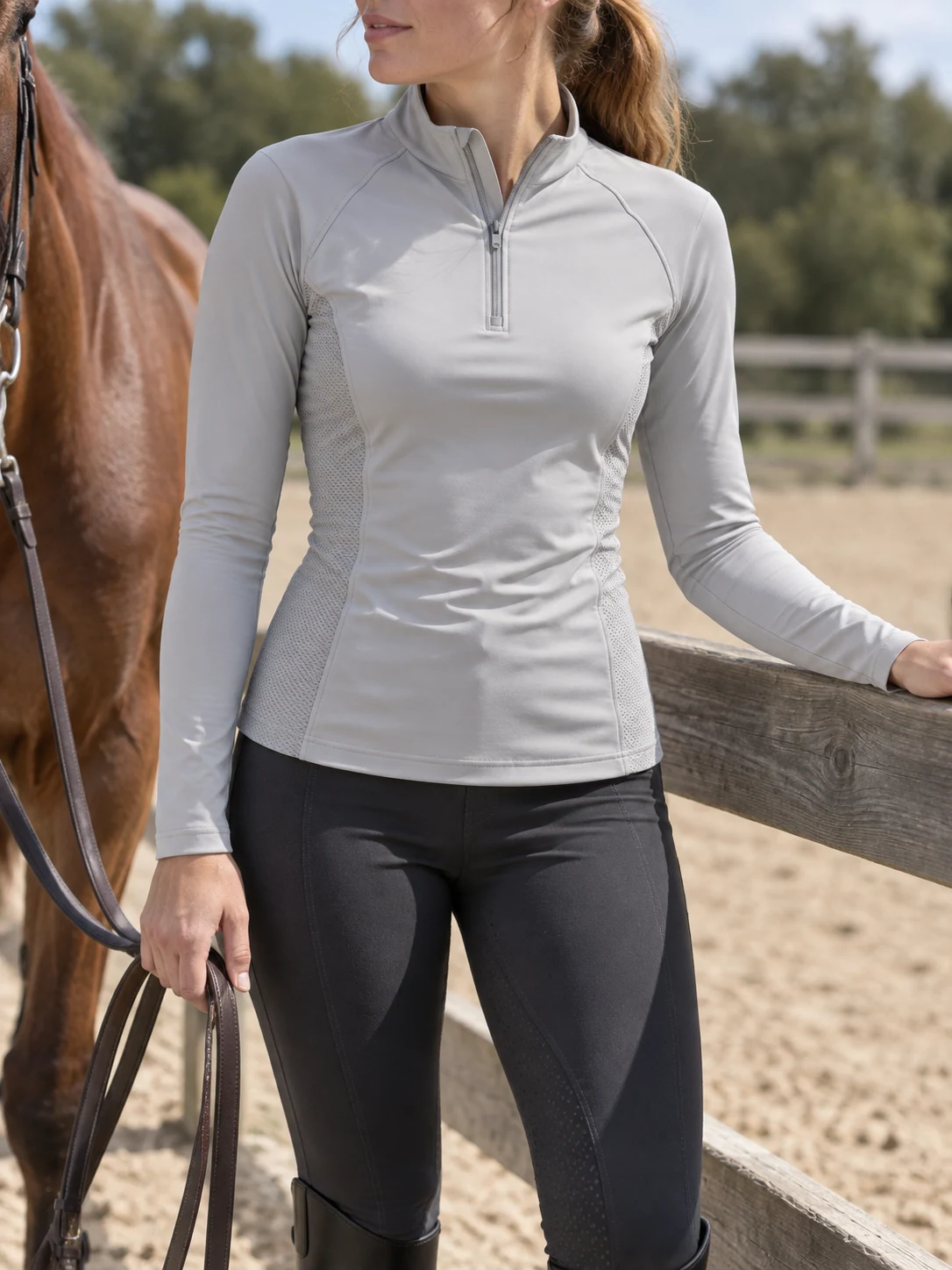
Quarter-zip training base layer
Private label quarter-zip riding base layers for equestrian brands: collar, zip, seams, fabric targets and brand artwork before sampling. Request an OEM quote.
Read the buying guide REINFORM.
REINFORM is an equestrian base layer manufacturer for private label collections. Compare quarter-zip, mesh-panel summer, brushed-winter and long-sleeve designs. Specify fabric weight, stretch, neckline and layering fit; verify material performance before production approval.
Training, layering & coordinated brand capsules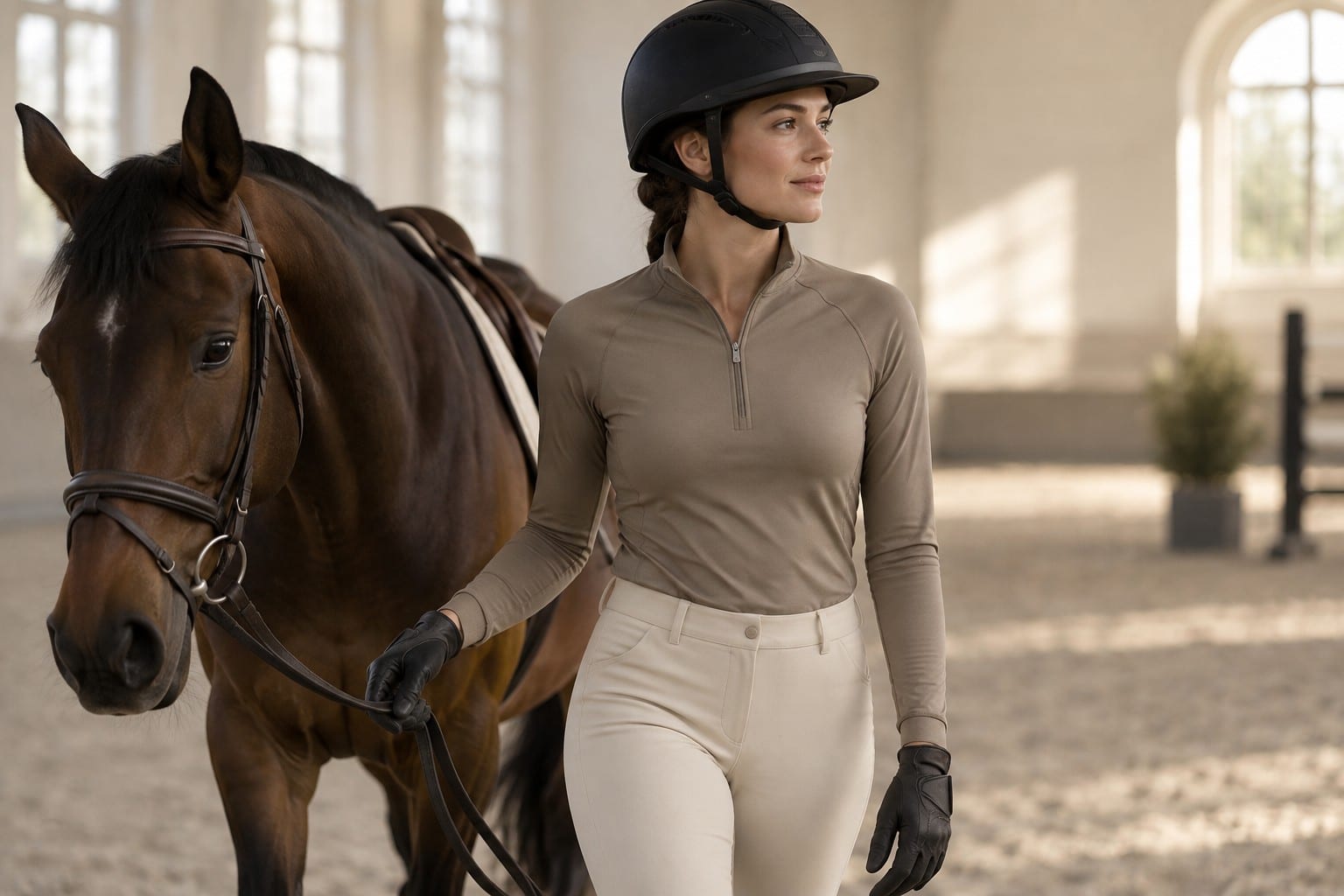
A base layer earns its place through material feel, ease of movement and thoughtful layering. Compare a quarter-zip training staple with a ventilated summer direction, a brushed winter option and a long-sleeve coverage design. Your decision should connect the intended season, neckline, sleeve length and under-jacket fit. Use the product guides to turn broad words such as “technical” or “comfortable” into specific sample questions and evidence requirements.
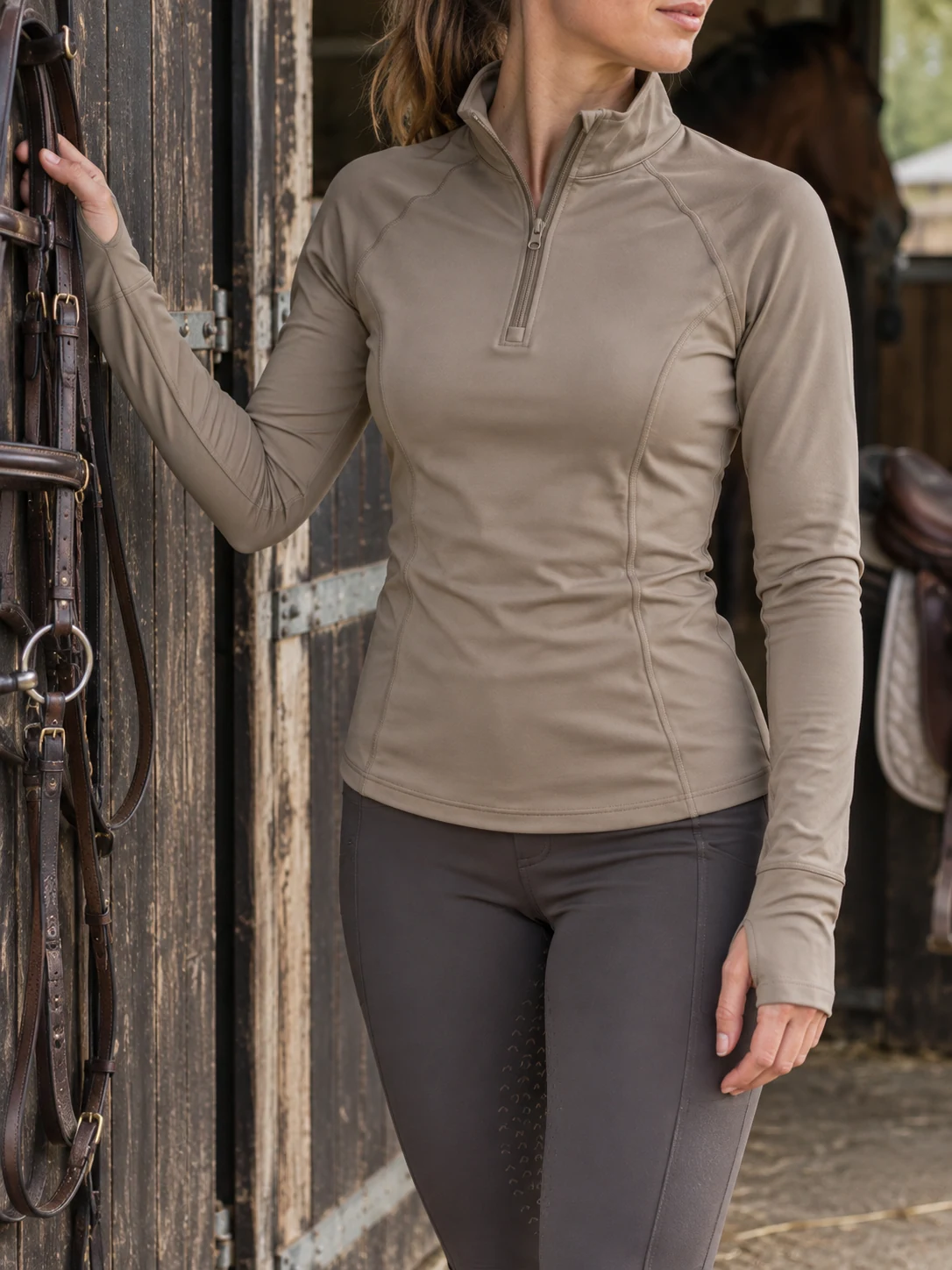
For equestrian brands, tack retailers, clubs and riding schools seeking a versatile branded top that can coordinate with breeches, tights and outerwear across several seasons.
Every product opens a detailed buying guide.
Materials. Fit. Construction. Sample review.
Private label quarter-zip riding base layers for equestrian brands: collar, zip, seams, fabric targets and brand artwork before sampling. Request an OEM quote.
Read the buying guidePrivate label mesh-panel riding base layers for equestrian brands: ventilation, coverage, seam comfort and fabric approval for your range. Request an OEM quote.
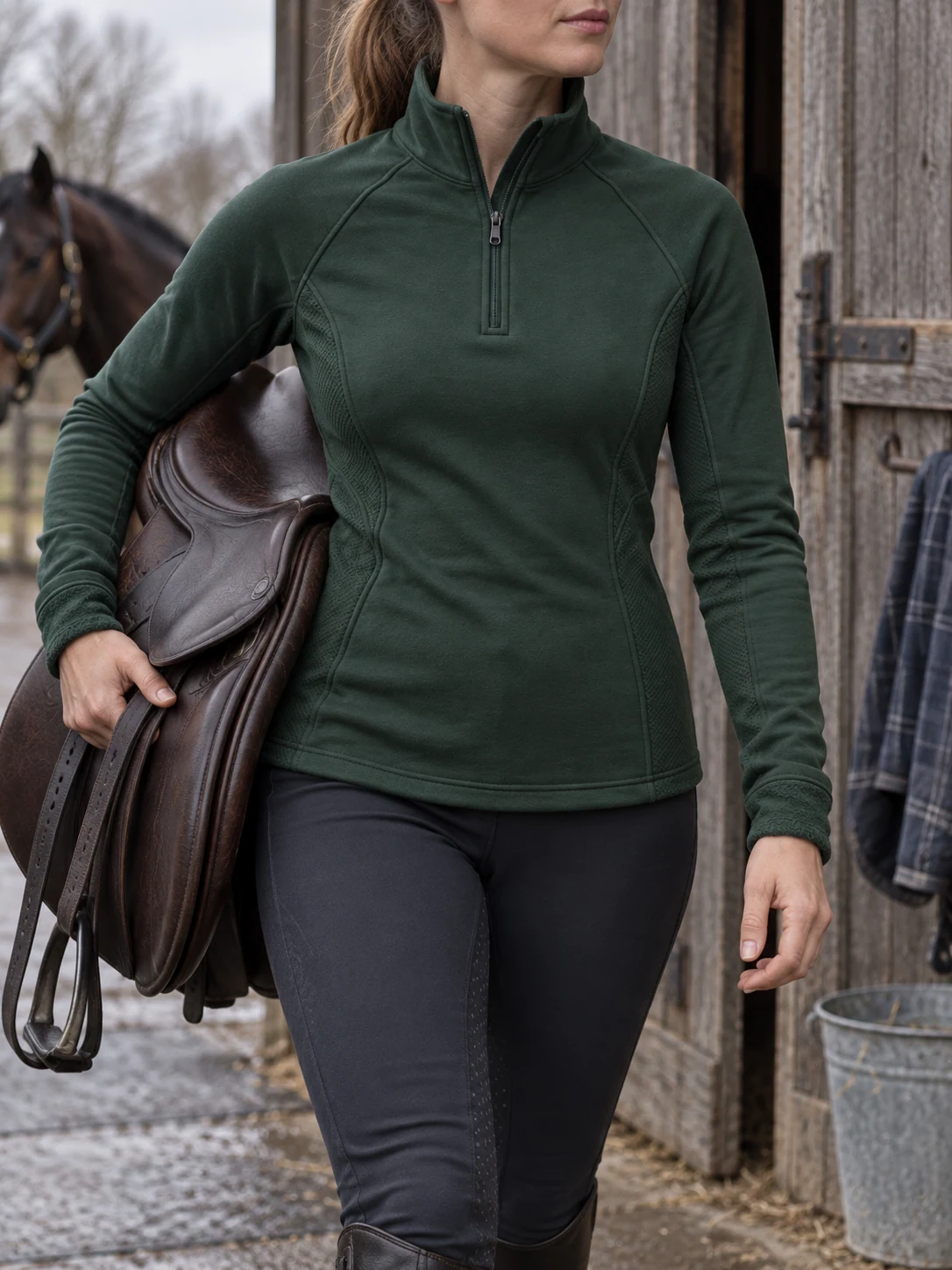
Read the buying guidePrivate label brushed winter riding base layers for equestrian brands: layering fit, collar bulk, stretch recovery and care checks. Request an OEM quote.
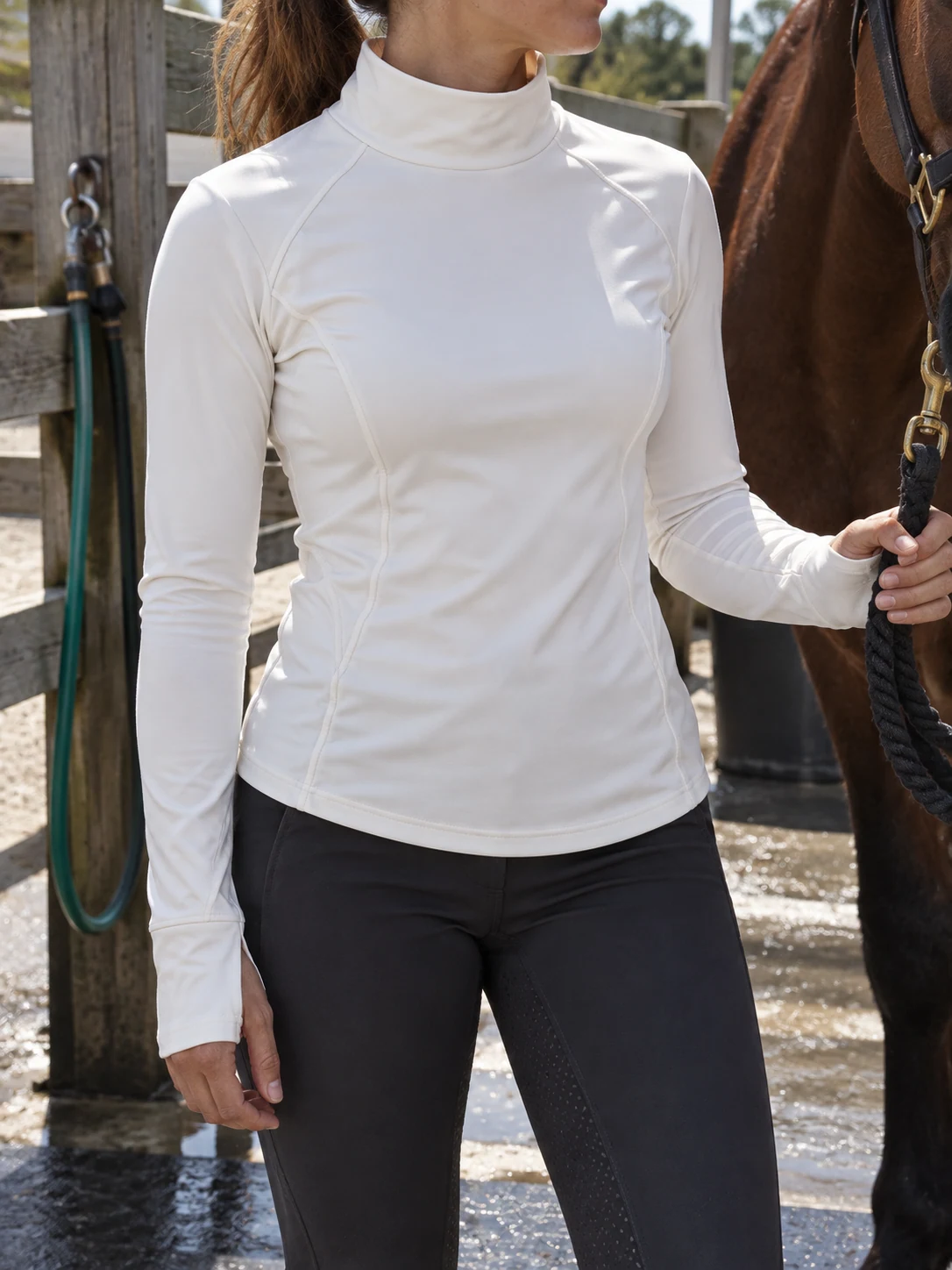
Read the buying guidePrivate label long-sleeve riding base layers for equestrian brands: skin coverage, cuffs, neckline and evidence for any sun-protection claims. Request an OEM quote.
Read the buying guideOriginal development concepts for private-label discussion. These are not stocked retail products; final garments follow an agreed specification and approved sample.
Develop the layer around movement and layering. Keep sleeve reach, zip length and inner comfort in the same brief.
Explore our factory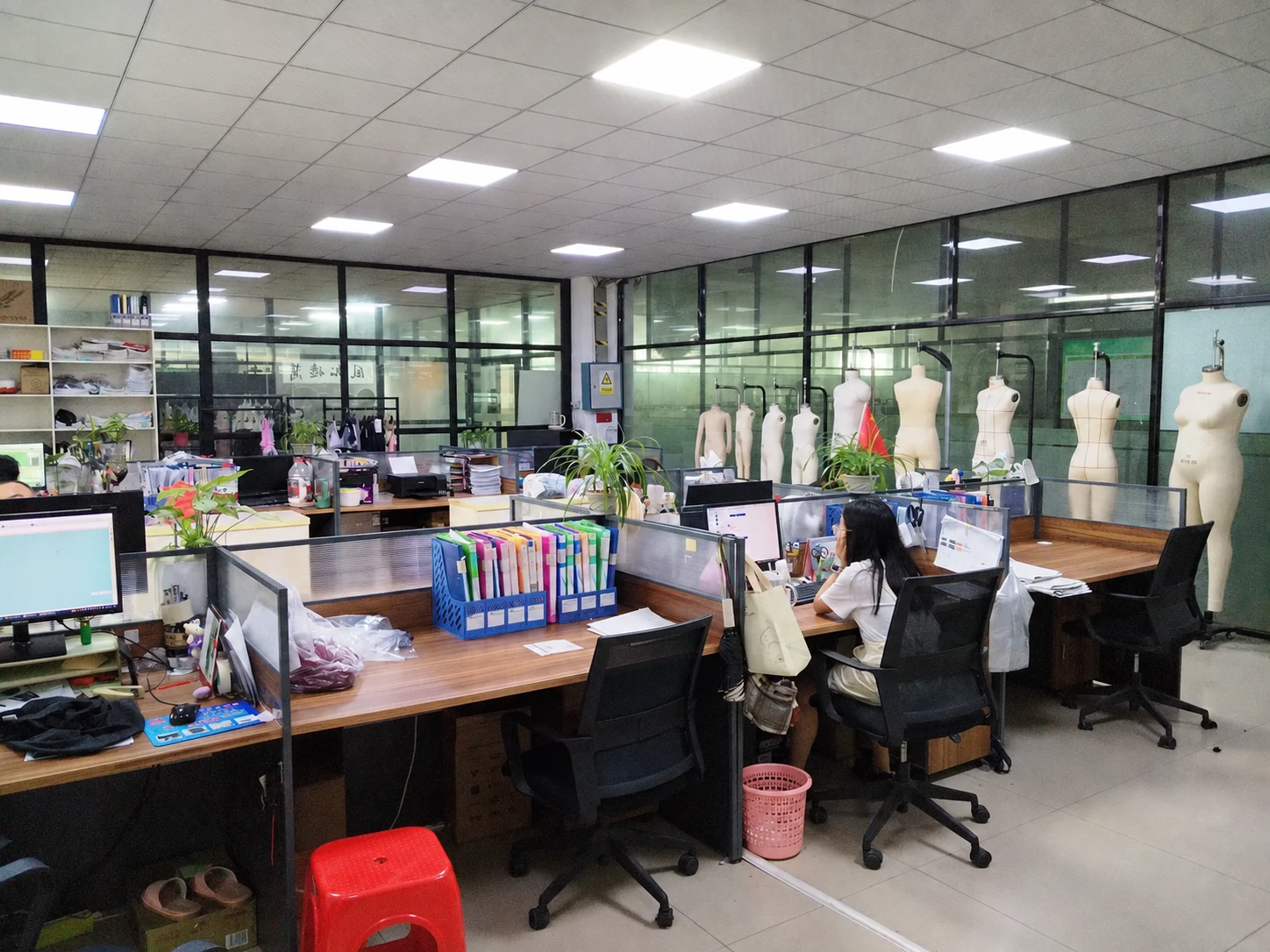
Review the sleeve pitch, body length and shoulder line in a riding position, with the intended layers.
Carry this into approval Factory views show our working environment. Your garment follows its agreed specification and sample.Use intended customer and construction priorities to narrow the brief. Then open the individual guide for a deeper material and sample review.
| Product direction | Buyer & use case | Decisions to resolve | Guide |
|---|---|---|---|
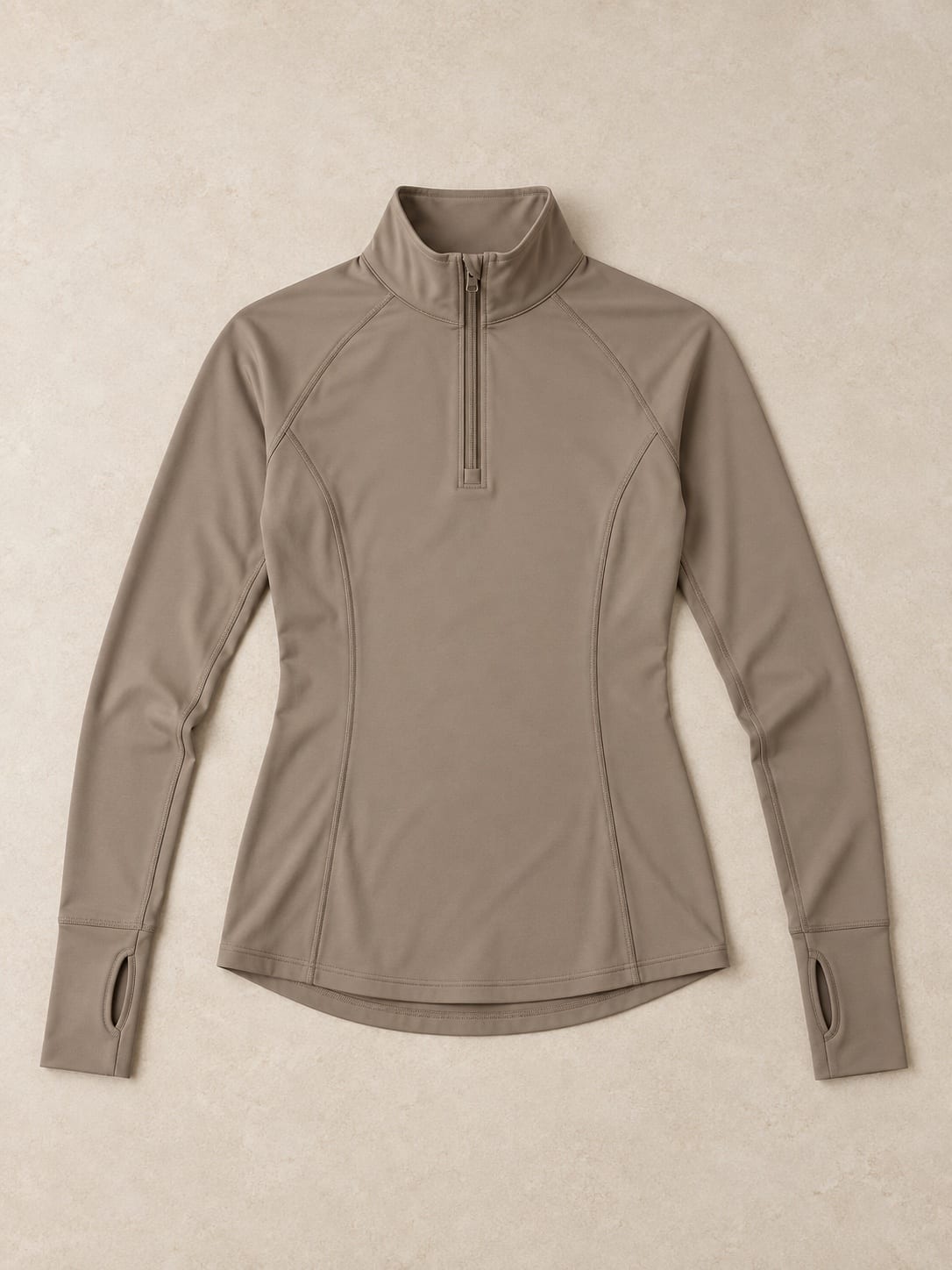 Quarter-zip training base layer Quarter-zip training base layer | For equestrian brands, tack retailers, clubs and riding schools seeking a versatile branded top that can coordinate with breeches, tights and outerwear across several seasons. |
| |
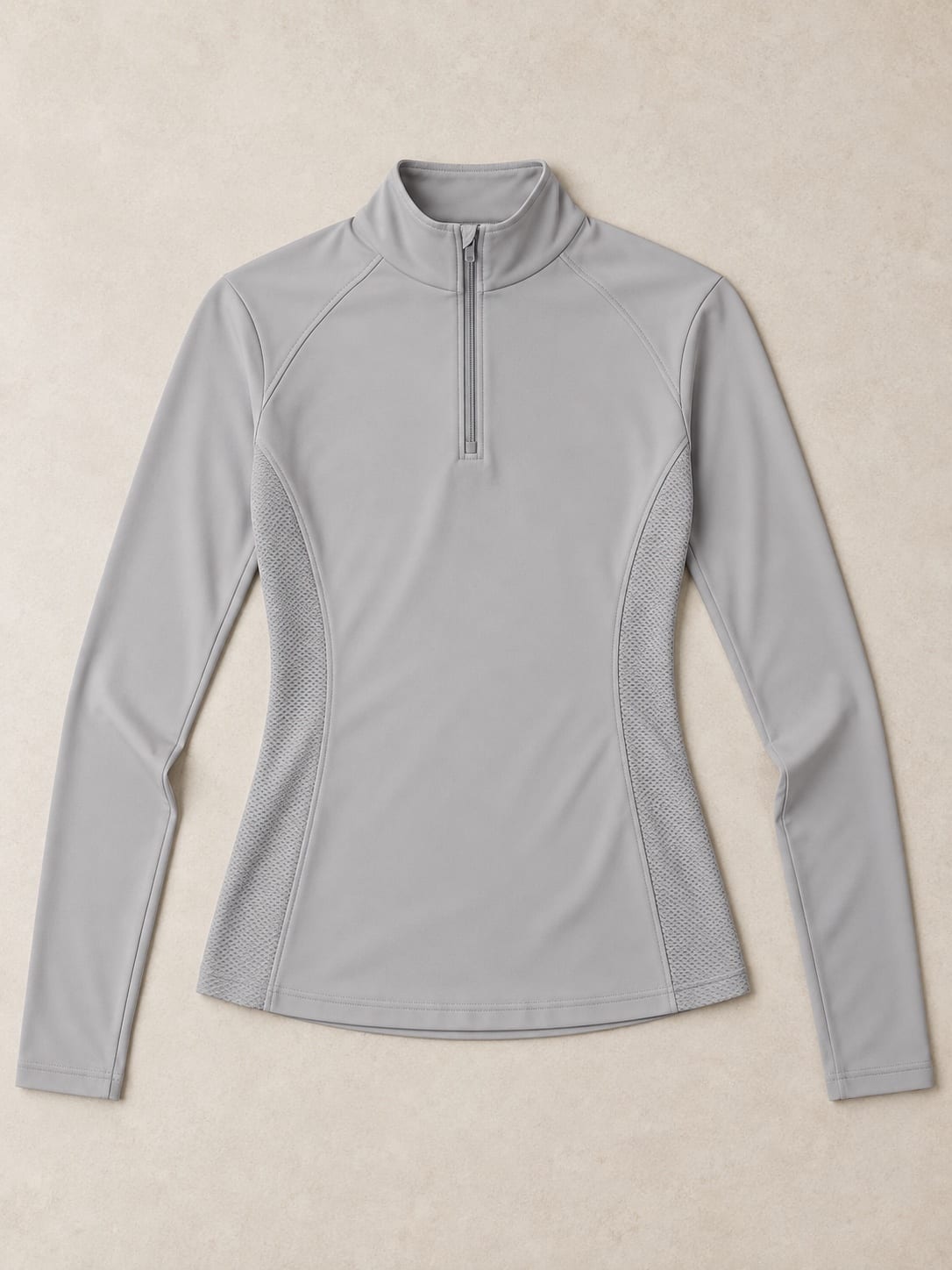 Mesh-panel summer base layer Mesh-panel summer base layer | For hot-weather equestrian labels, resort-market retailers, summer team kits and training ranges seeking a visibly technical top that still looks polished around the yard. |
| |
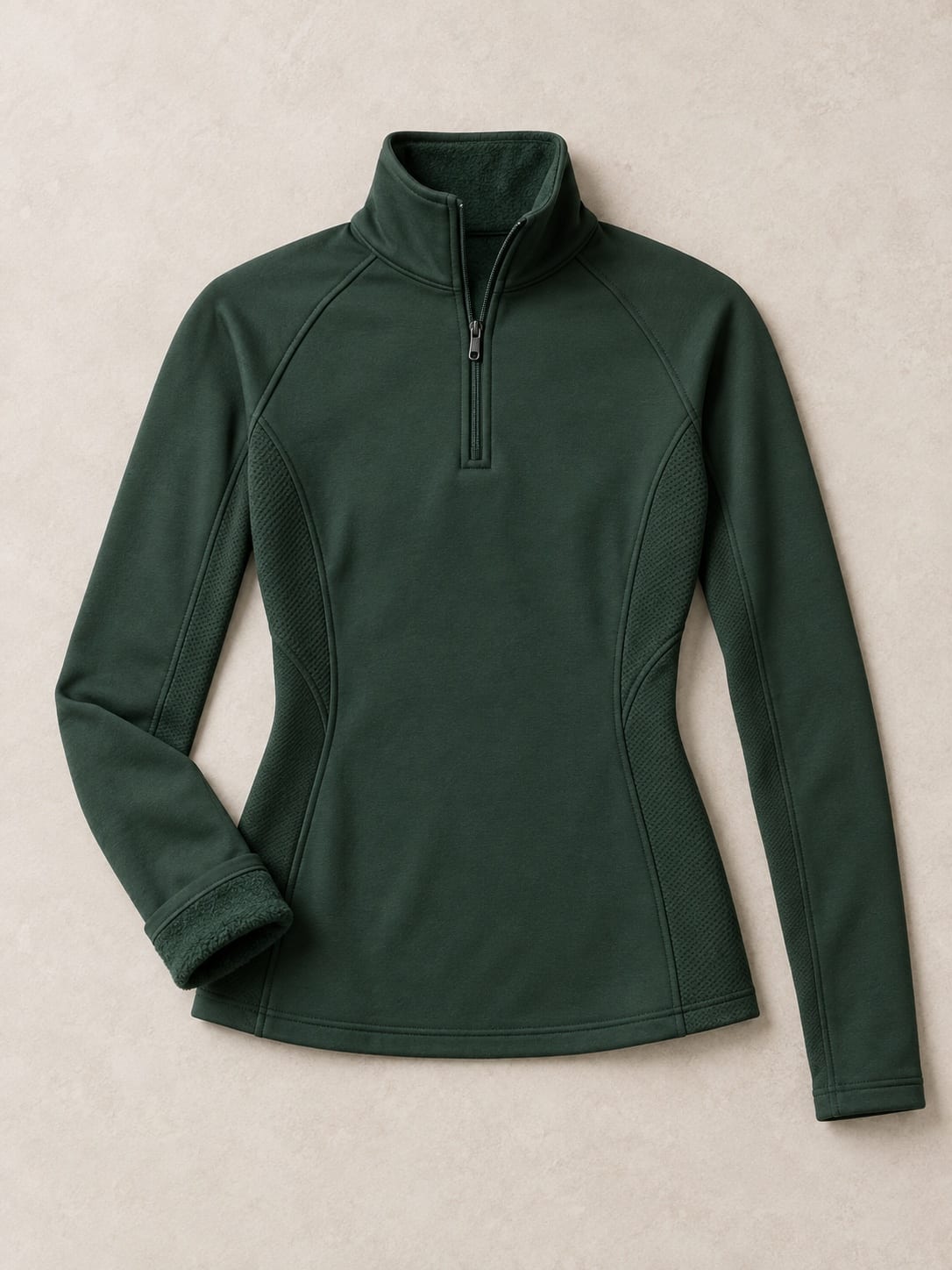 Brushed winter base layer Brushed winter base layer | For northern-market brands, winter lesson programmes, tack retailers and seasonal capsules needing a fitted cold-weather top that layers cleanly beneath riding outerwear. |
| |
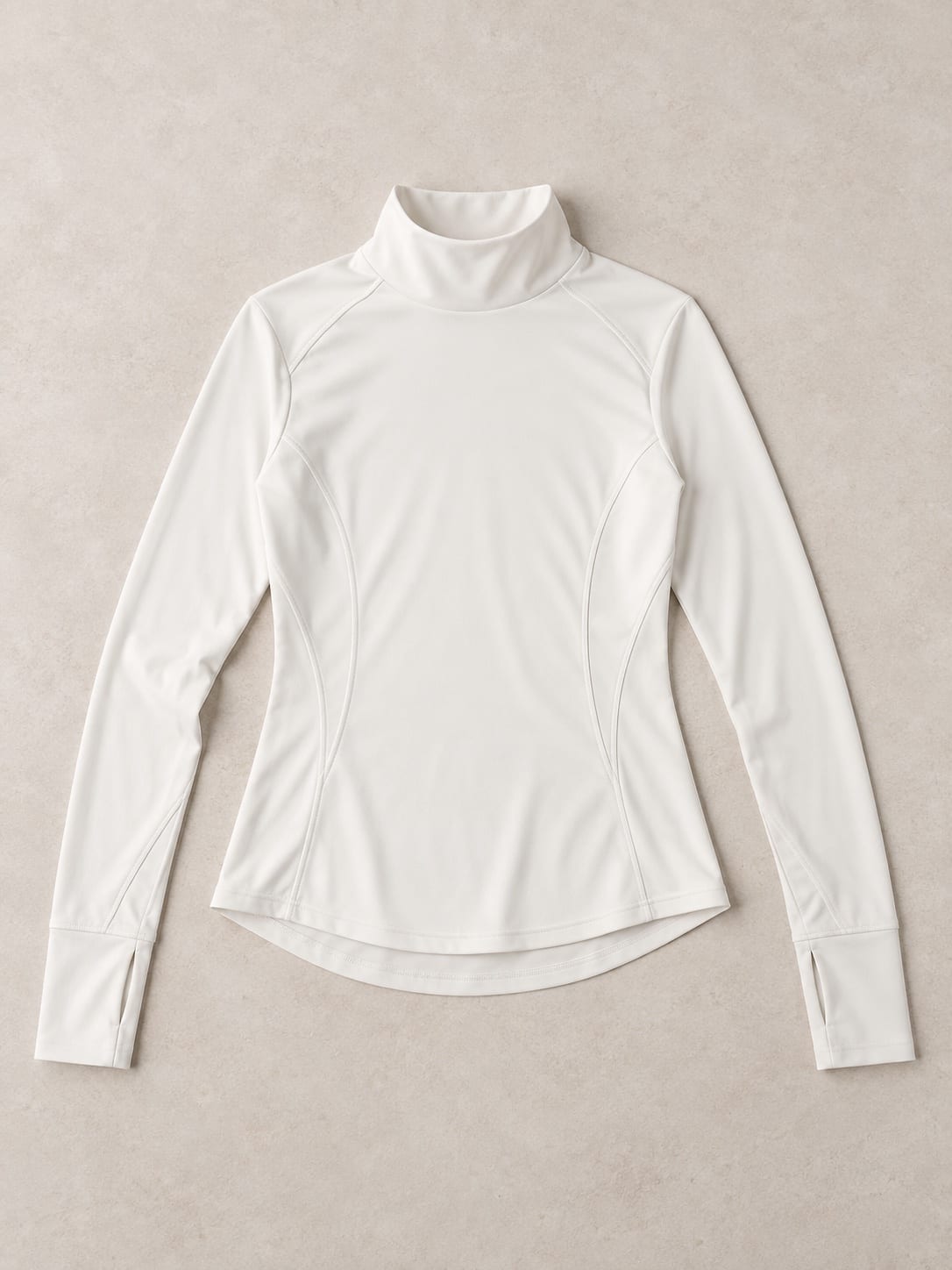 Sun-coverage long-sleeve base layer Sun-coverage long-sleeve base layer | For warm and high-sun markets, outdoor lesson programmes, endurance or trail-oriented collections, and brands building a practical summer core beyond short sleeves. |
|
Explore the details before you write the brief.
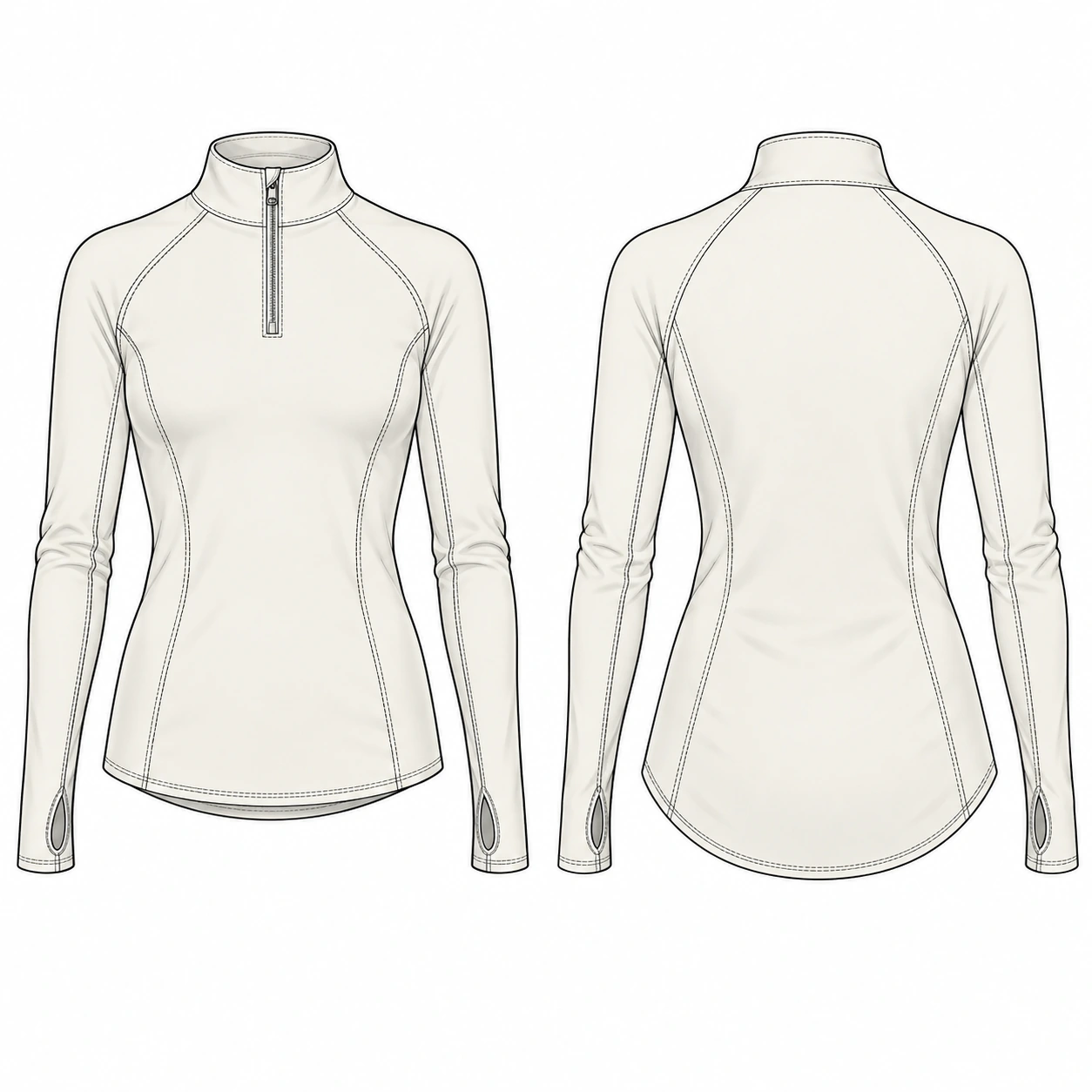
Decide the stand-collar height and coverage. Check the edge against skin and with an outer layer. Specify collar height, zip length, inner guard and puller size as one system that remains comfortable under another layer.
Agree the quarter-zip length, puller and inner guard. Check that the opening gives useful ventilation without creating pressure under another layer. Specify the zip length and inner guard together, then assess comfort under an outer layer.
Review the raglan sleeve in forward reach, including seam position around the shoulder and elbow. Match sleeve length to the intended cuff finish. Review the raglan seam through forward reach and confirm that the sleeve does not pull the body hem upward.
Agree the drop-tail hem as part of the layering system. Check seated coverage and tuck length without pulling the body out of position. Set front and back lengths together, checking both tuck security and smooth layering in the saddle.
Diagram shows review locations, not an approved specification.
BUILT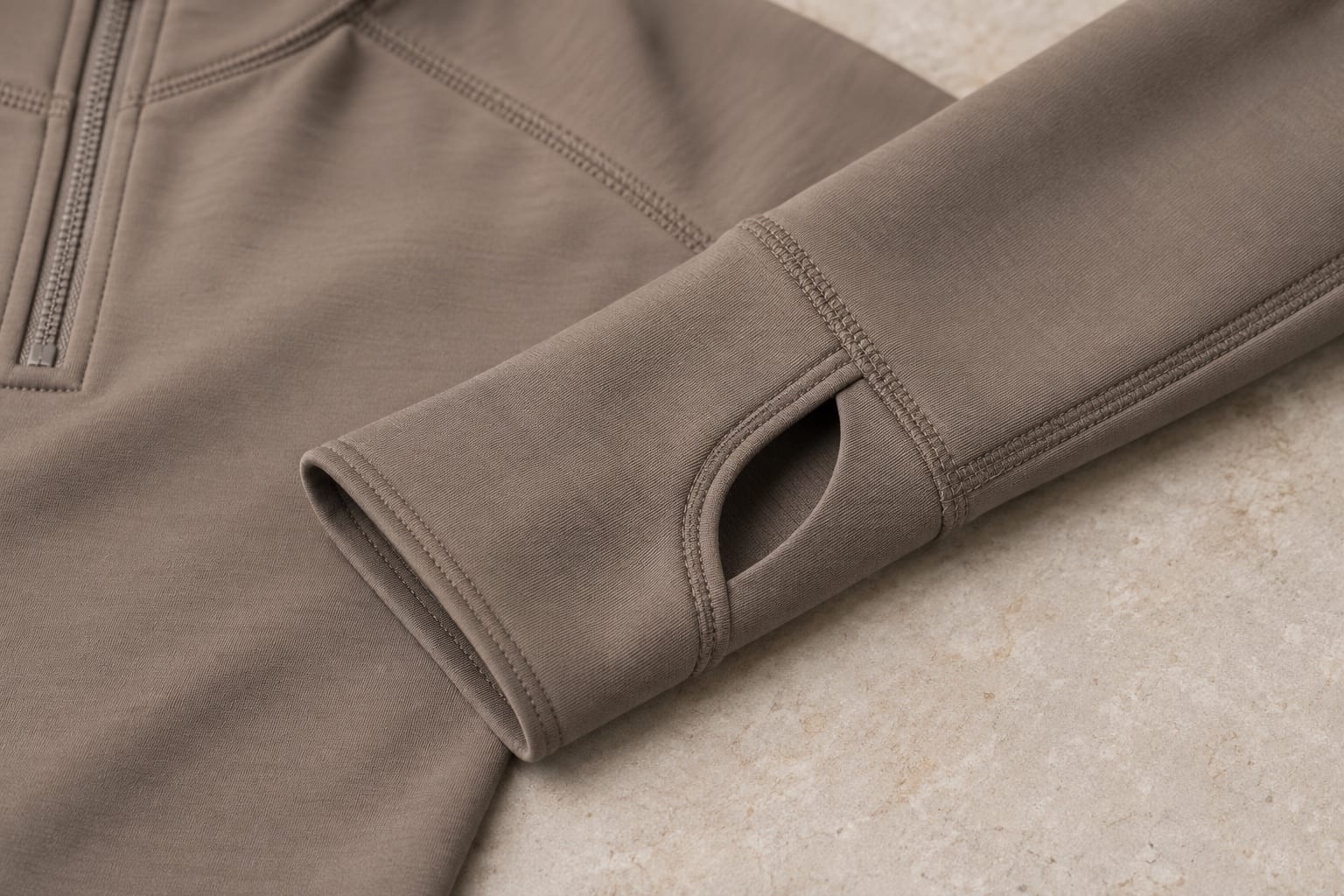 CONSTRUCTION IS PART OF THE BRIEF
Set hand feel, stretch, recovery, fabric weight and care expectations. If you intend to market moisture management, sun protection or another technical performance, define the relevant test and acceptable result before you approve label or sales copy.
Review the base layer beneath the intended gilet, jacket or show coat. Check bulk at the collar, sleeve mobility and seam placement. A winter fabric may require different ease from a light training knit.
Map mesh or perforated zones around movement, coverage and decoration. Ask how different panel materials will behave together during stretching and care. Confirm seam comfort on the actual sample.
Bring the details that make the product yours.
We review the combination before sampling.
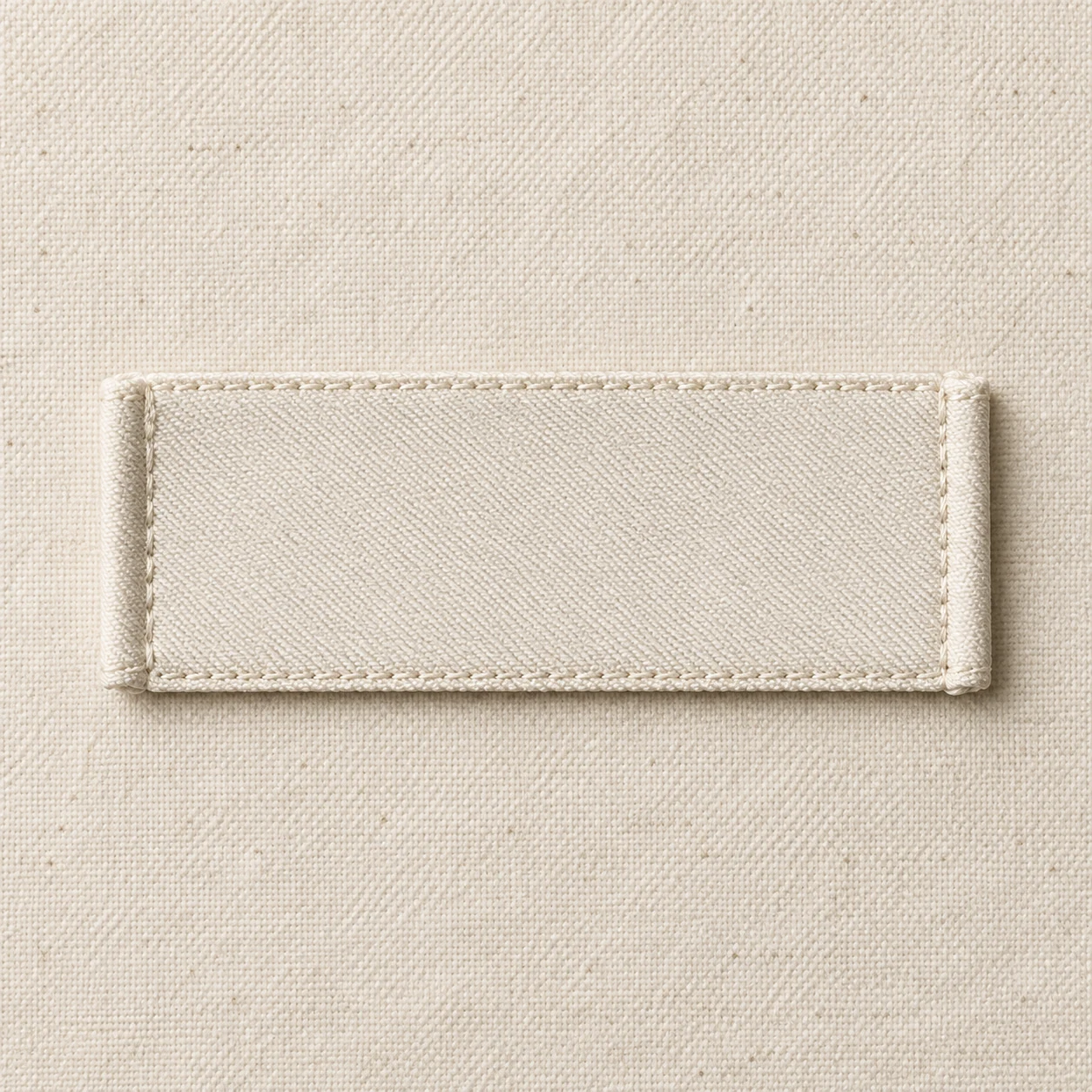
Folded edges · fine weave

Textured stock · cord attachment
Raised edge · stitched placement
Material mockups with a live wordmark study. Print, weave, colour matching and placement are confirmed on your physical sample.
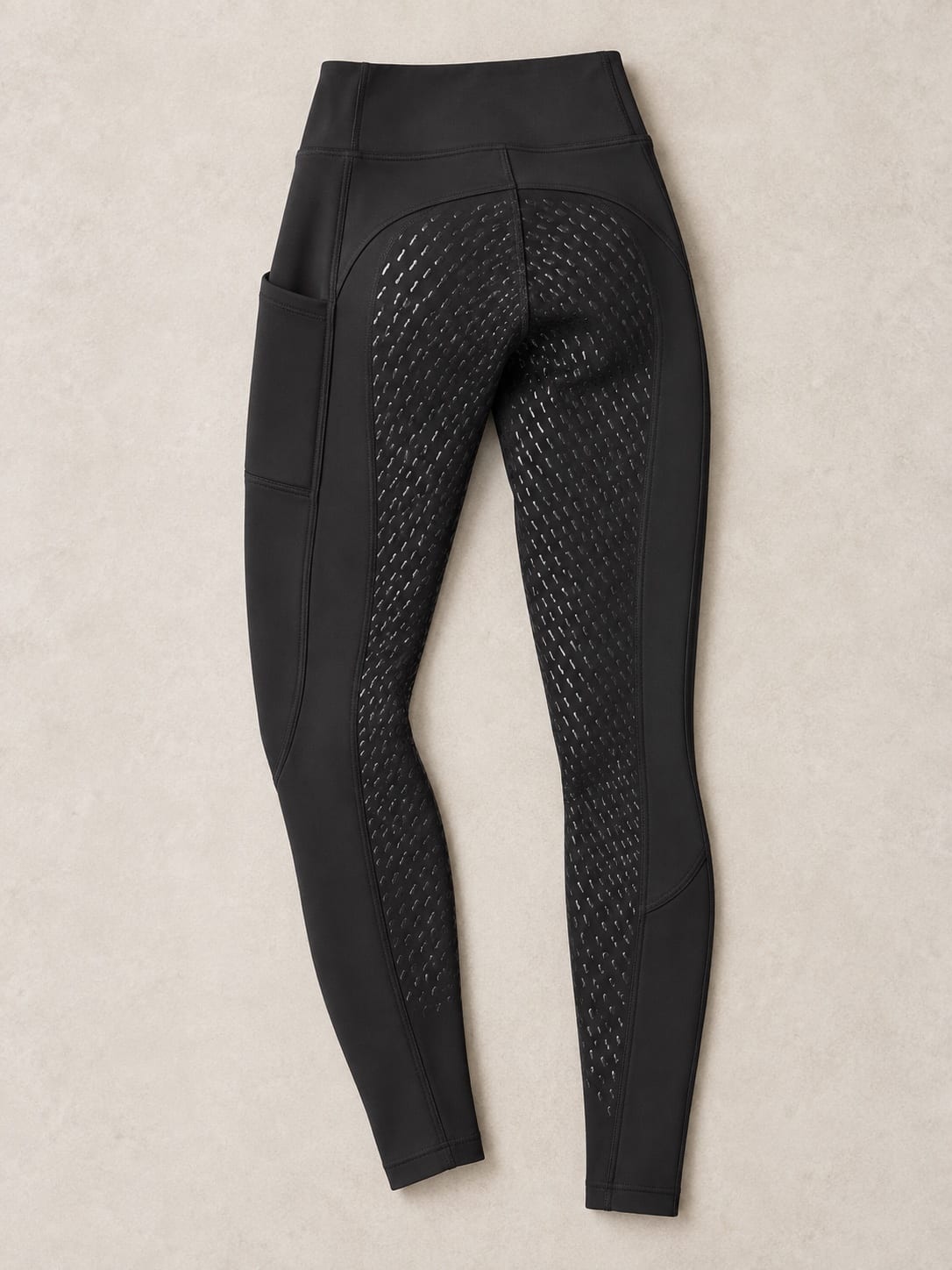
Define sleeve length, collar height, zip opening, torso shape and hem. Plan the fit together with the riding bottoms in your collection.
Share your climate, hand-feel and breathability targets. Any moisture-management, UV or other performance claim needs supporting testing before use.
Bring colour references for the body, panels, zips and branding. Colour matching is reviewed through samples and material availability.
Specify logo placement, scale and technique alongside your labels. Keep decoration comfortable under riding layers.

One agreed reference for the workroom: the dated sample, its specification and your confirmed order breakdown.
Review the sleeve pitch, body length and shoulder line in a riding position, with the intended layers.
Place mesh, main fabric and zip openings deliberately. Agree panel boundaries and seam allowances before sampling.
Check seam feel, collar edge and zip protection on the garment. Review recovery after wear and care.
Confirm each style and colour separately, with the size allocation attached. The minimum is 100 pieces per style, per colour.
Agree label artwork, packing instructions and the production start. Bulk production takes 30–45 working days from the confirmed start; revisions and transit are planned separately.
A useful first conversation includes the intended rider, the chosen product direction and the details still open for review. Add references to explain the construction you want; identify what you would change for your own label.
Sampling takes 7–10 working days from the agreed start. Bulk production takes 30–45 working days from the confirmed production start. Material confirmation, revisions and transit are planned separately.
Start a base layers projectPlanning baseline: 100 pieces minimum per style, per colour. Sampling takes 7–10 working days; bulk production takes 30–45 working days from the agreed start.
Resolve these questions alongside the product-specific sample checklist.
Sleeve coverage alone does not establish a UPF rating. Any protection claim should be supported by testing appropriate to the selected fabric, colour and intended market. The sun-coverage guide treats coverage as a design direction and explains what to request before making performance claims.
Material construction, weight, inner finish, ventilation and layering ease may all change. Start with the climate and riding use, then review fabric and fit together instead of assuming that a heavier version of the same pattern is sufficient.
Review the zipper type, opening length, puller, guard and collar finish as part of the garment sample. Check comfort against skin and interaction with an outer layer, and include the approved trim details in the final specification.