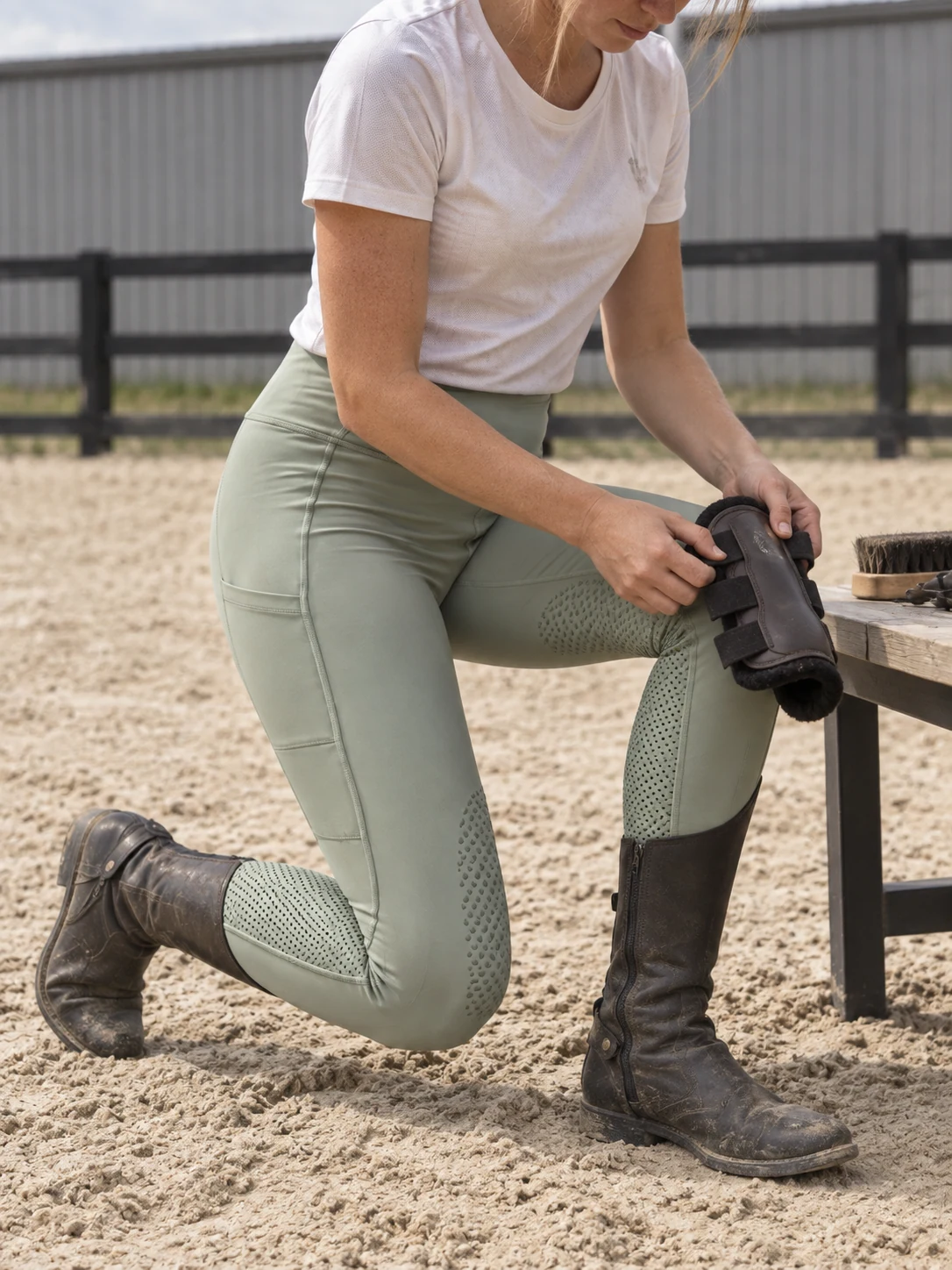
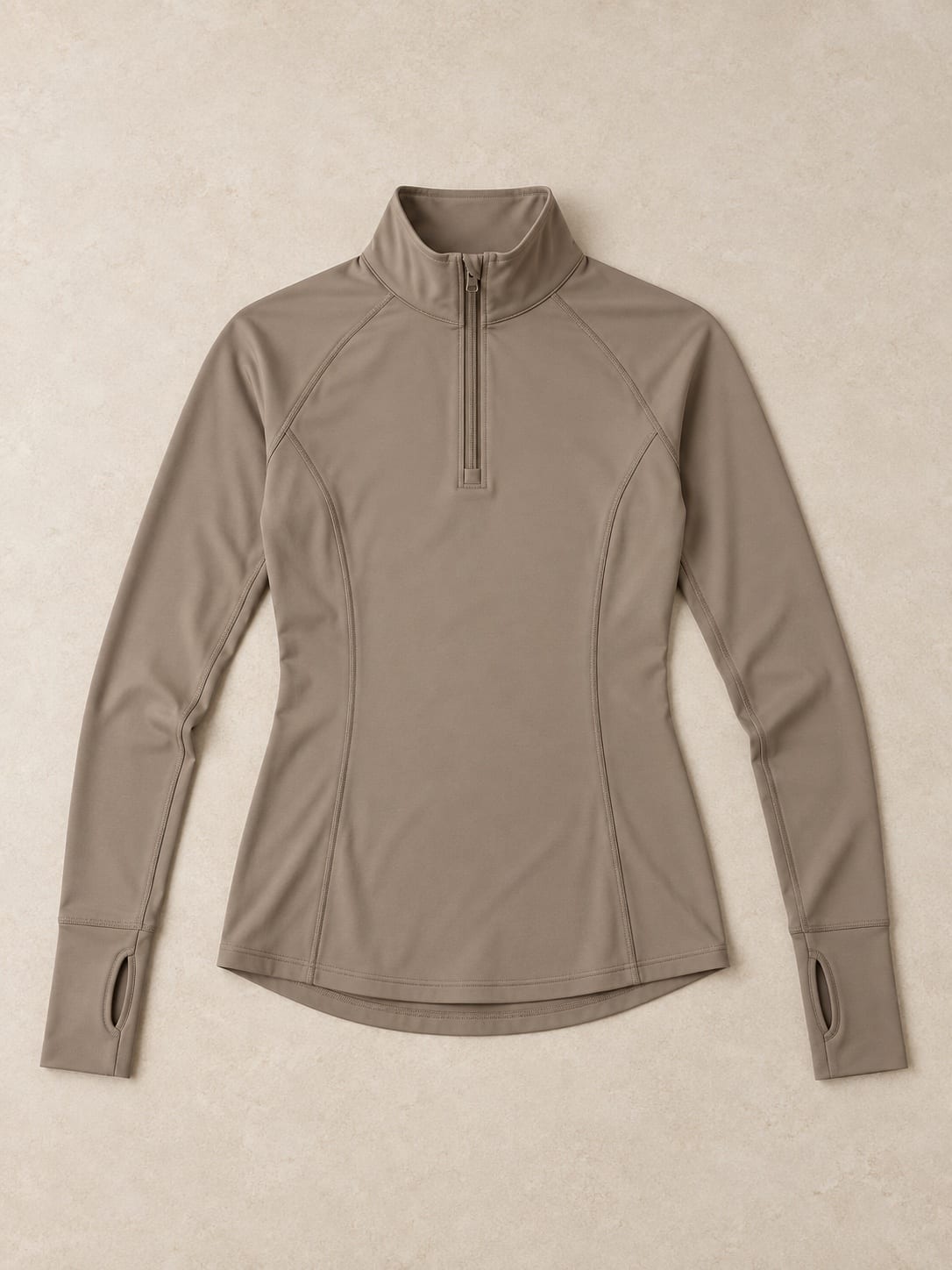
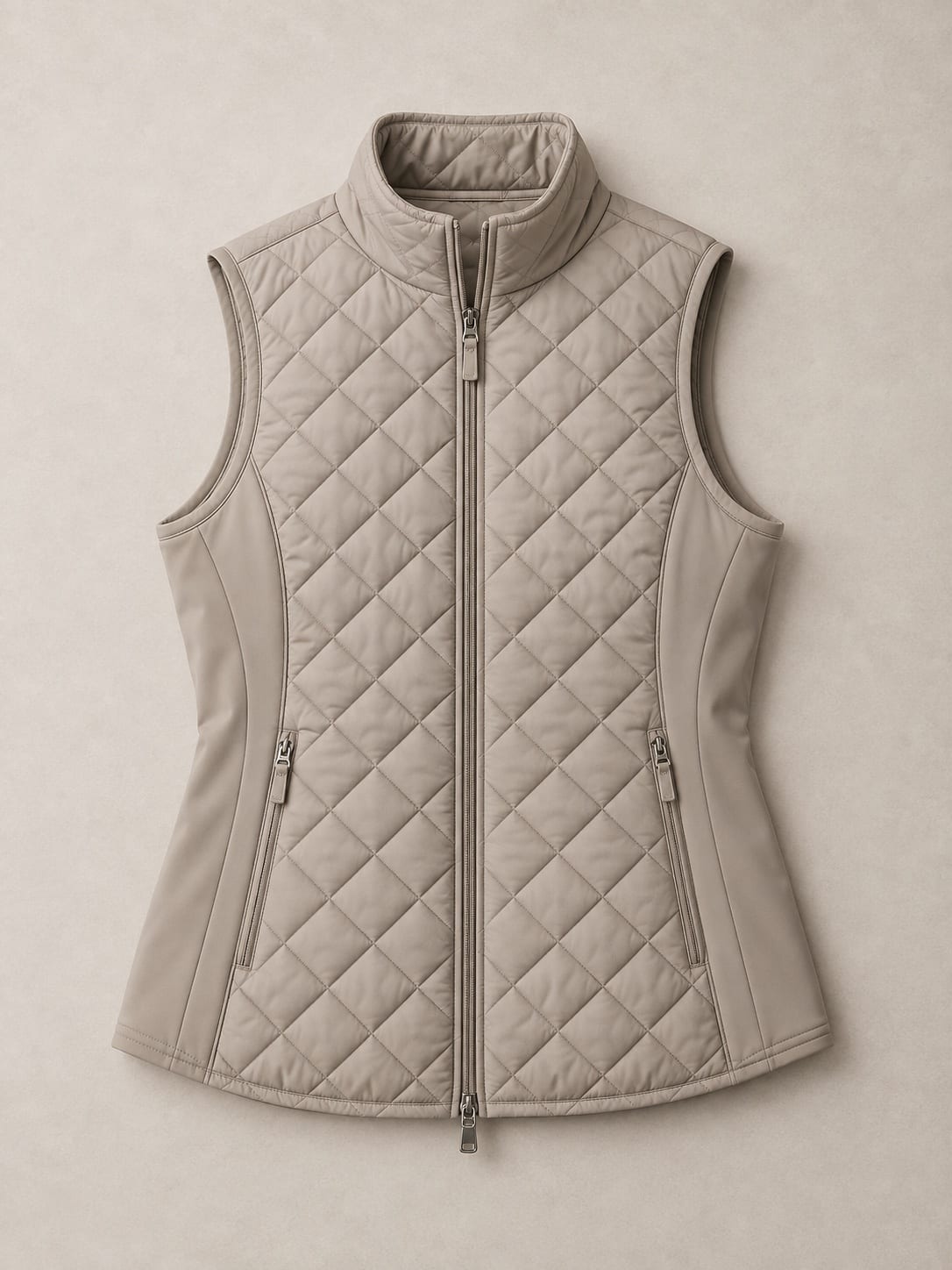
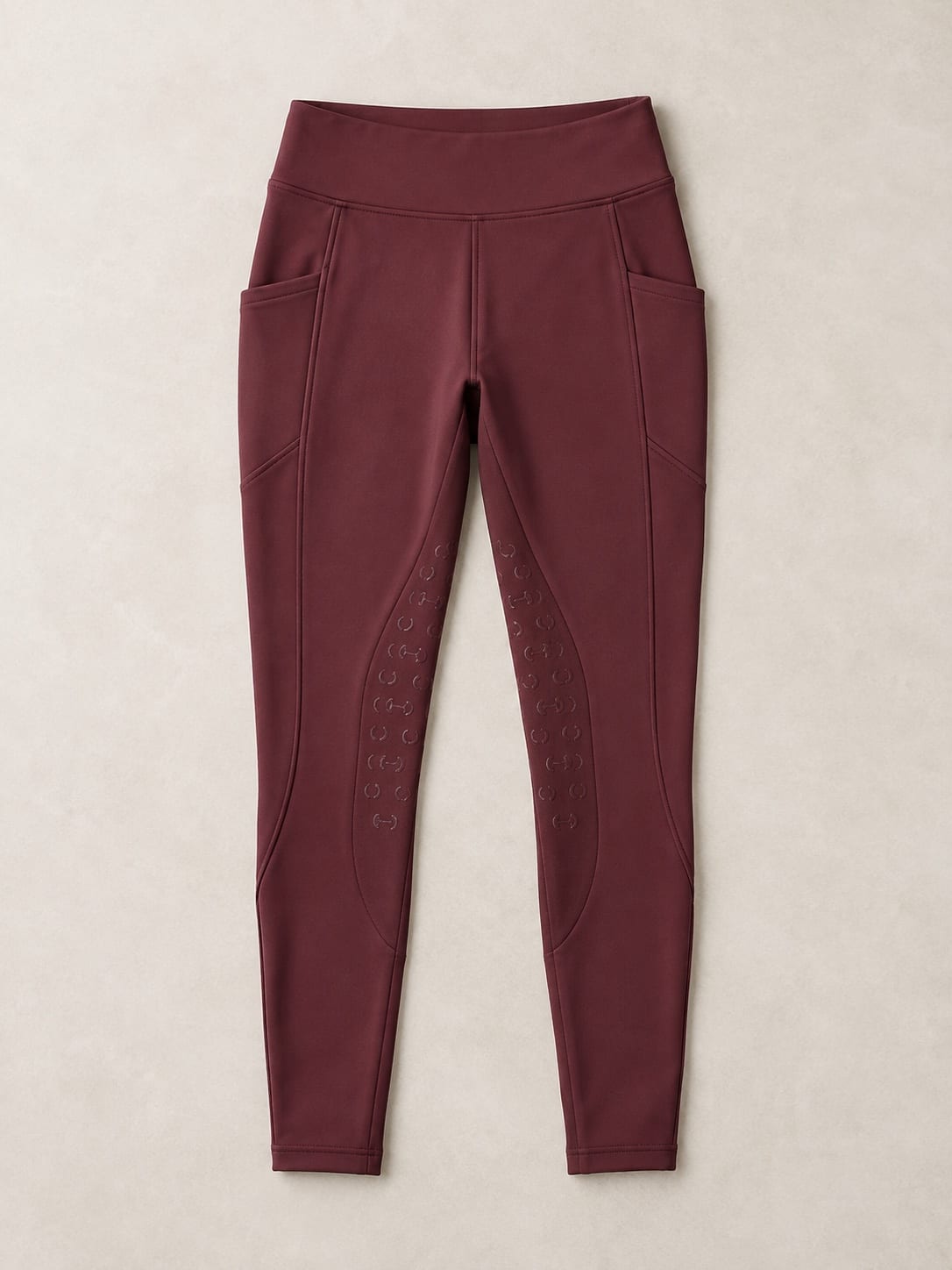
High-rise full-grip riding tights
Private label high-rise full-grip riding tights for equestrian brands: waist recovery, opacity, phone pockets and silicone grip sampling. Request an OEM quote.
Read the buying guide REINFORM.
Work with REINFORM as your private label riding tights manufacturer. Compare equestrian leggings for high-waist, summer, brushed-winter and youth ranges; specify knit fabric, opacity, waistband recovery and silicone grip before OEM sampling.
Everyday training & active equestrian collections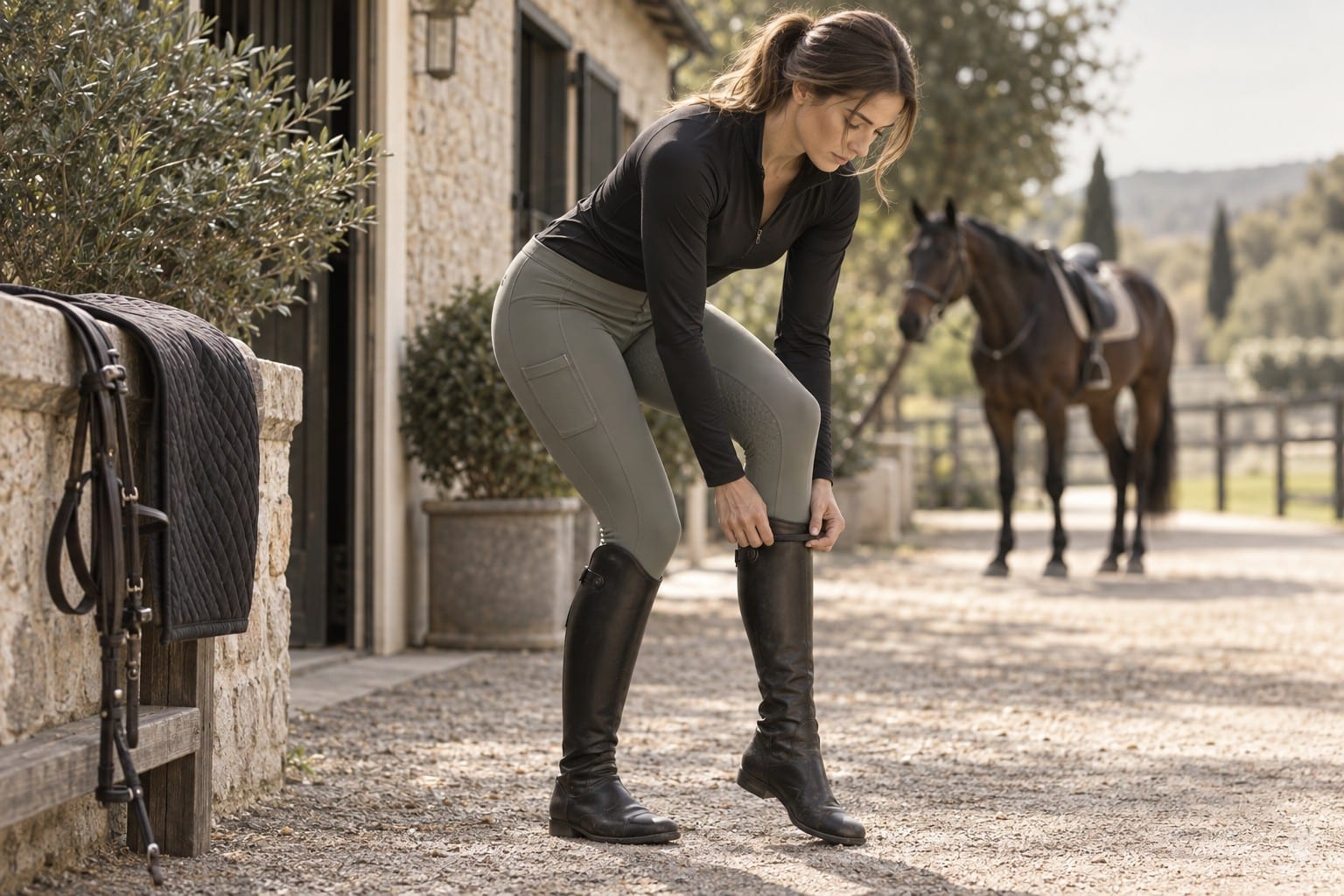
Riding tights sit at the intersection of athletic comfort and saddle-specific details. A summer mesh product should not use the same brief as a brushed winter tight, and a youth training style needs its own proportion and pocket review. Compare waistband stability, opacity under stretch, recovery and grip as a complete system. These four directions give your brand a starting structure without assuming that one fabric or one fit can do every job.
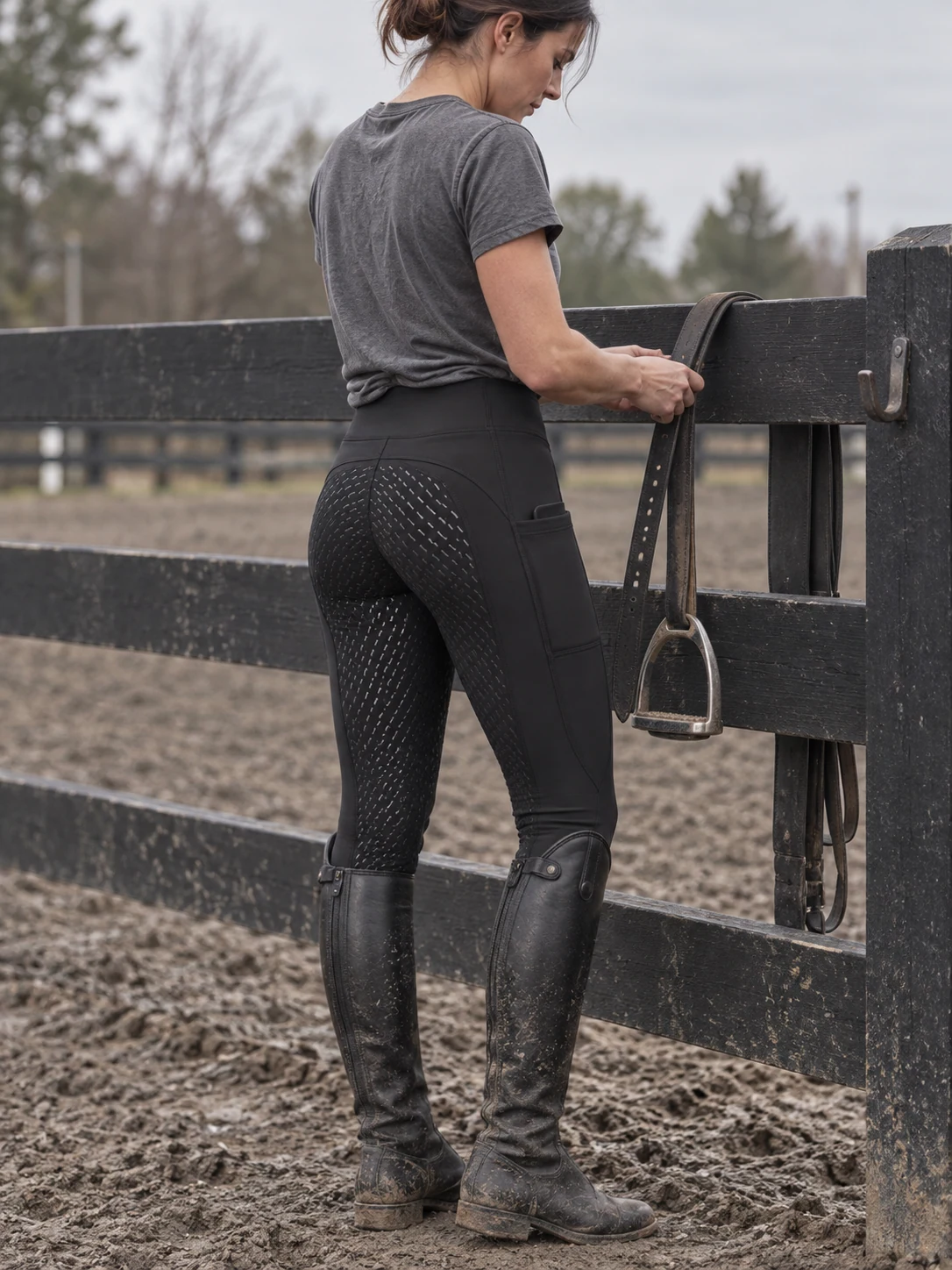
For direct-to-consumer riding brands, dressage and schooling collections, and retailers seeking an easy pull-on hero style with athletic presentation and full-seat contact.
Every product opens a detailed buying guide.
Materials. Fit. Construction. Sample review.
Private label high-rise full-grip riding tights for equestrian brands: waist recovery, opacity, phone pockets and silicone grip sampling. Request an OEM quote.
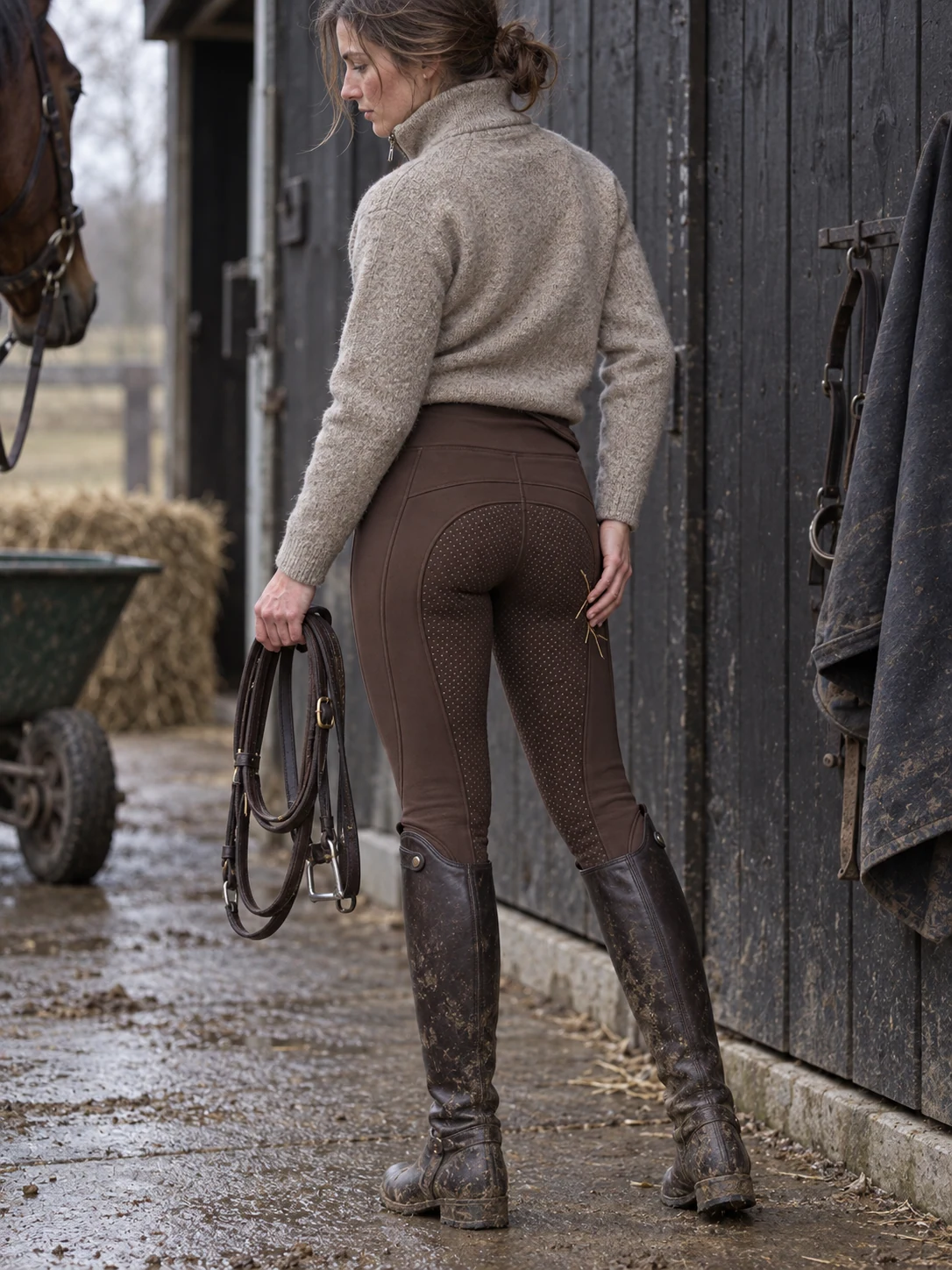
Read the buying guidePrivate label summer mesh riding tights for equestrian brands: ventilation panels, secure coverage, seams and bulk fabric approval. Request an OEM quote.
Read the buying guidePrivate label winter brushed riding tights for equestrian brands: brushed fabric, stretch recovery, grip and wash checks for bulk production. Request an OEM quote.
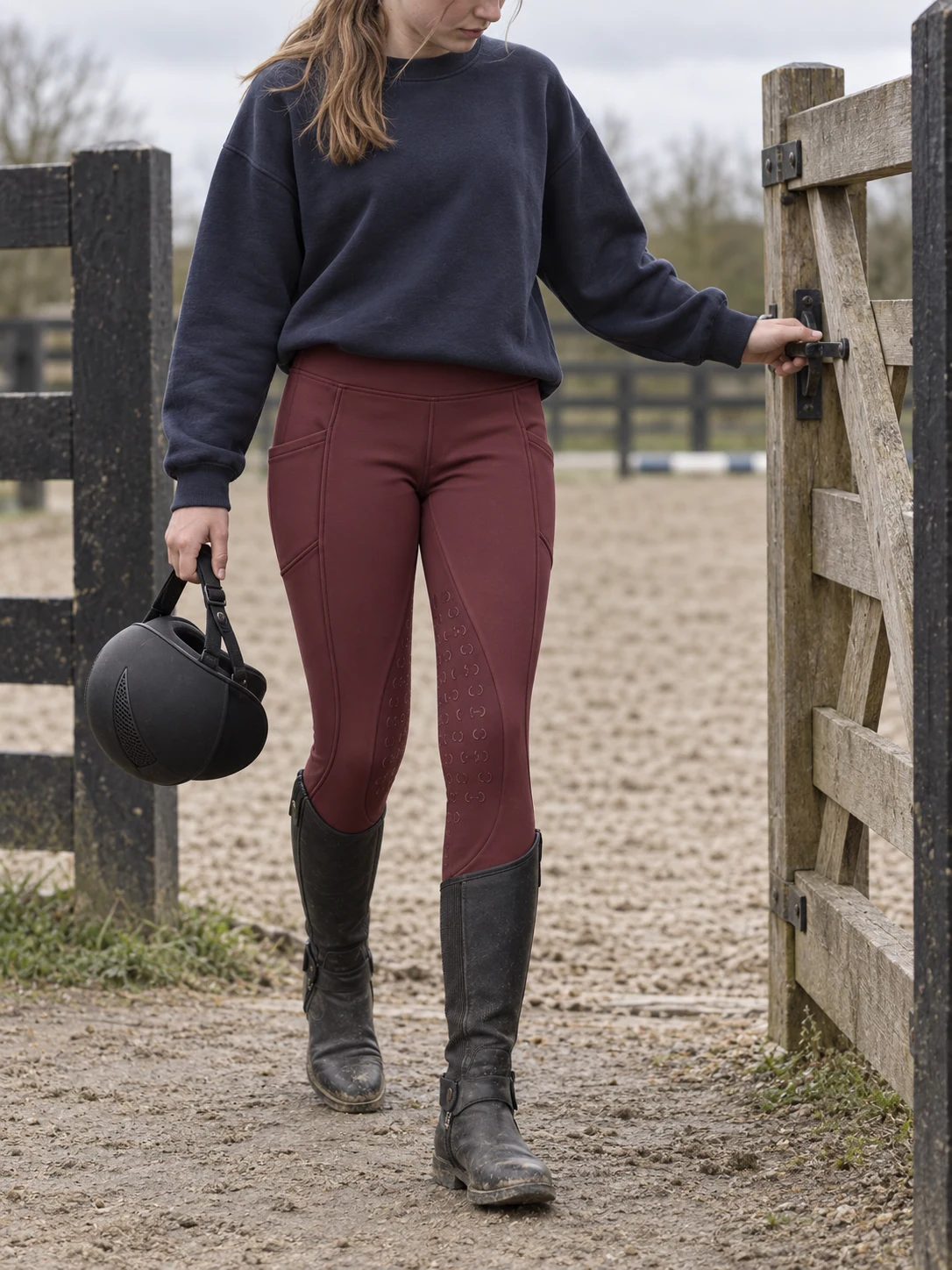
Read the buying guidePrivate label youth training riding tights for equestrian brands: youth proportions, waist fit, pocket sizing and production sample checks. Request an OEM quote.
Read the buying guideOriginal development concepts for private-label discussion. These are not stocked retail products; final garments follow an agreed specification and approved sample.
Fit and stretch have to work together. Use the chosen knit to resolve the waistband, seam route and contact areas.
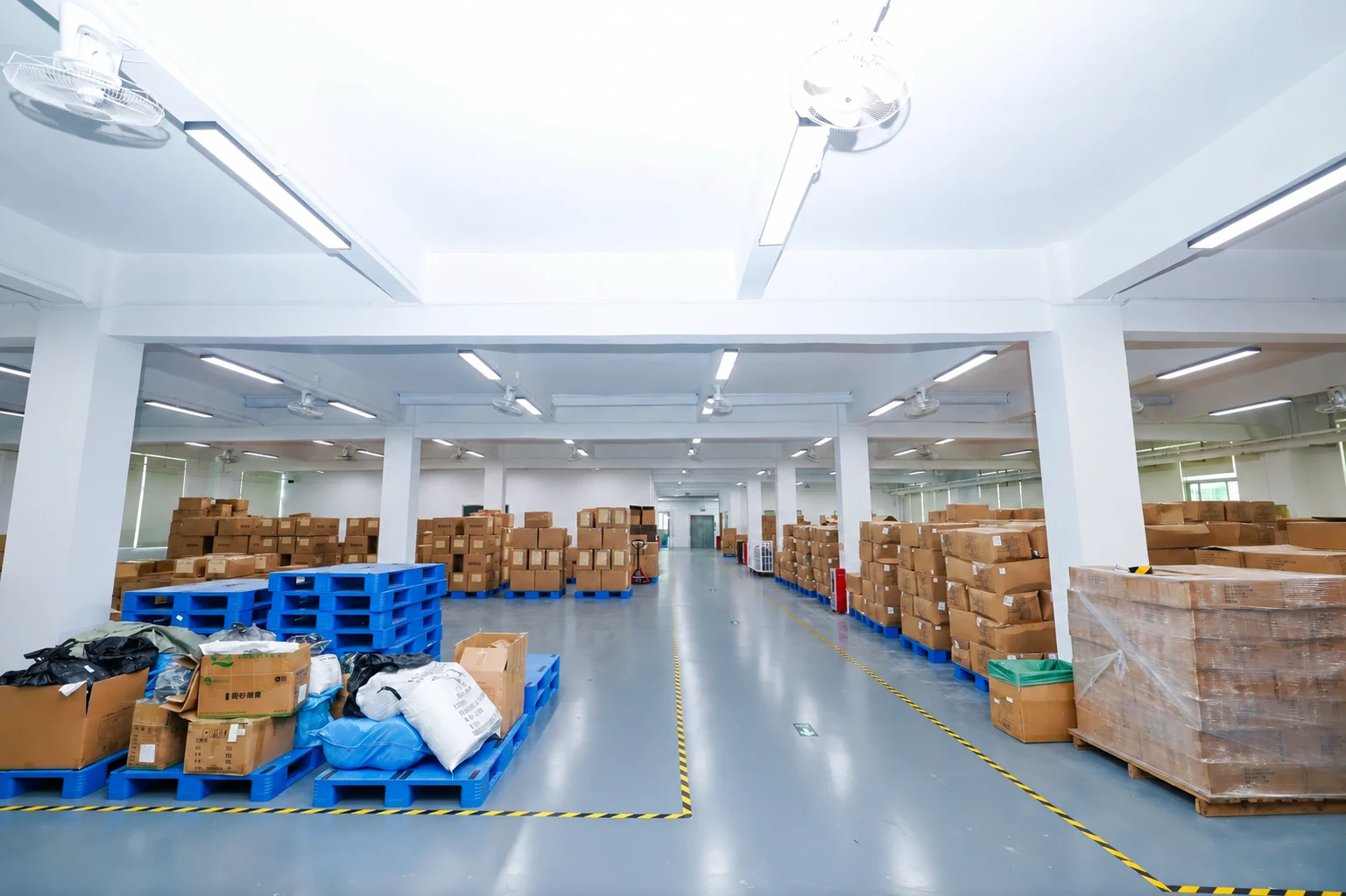
Explore our factory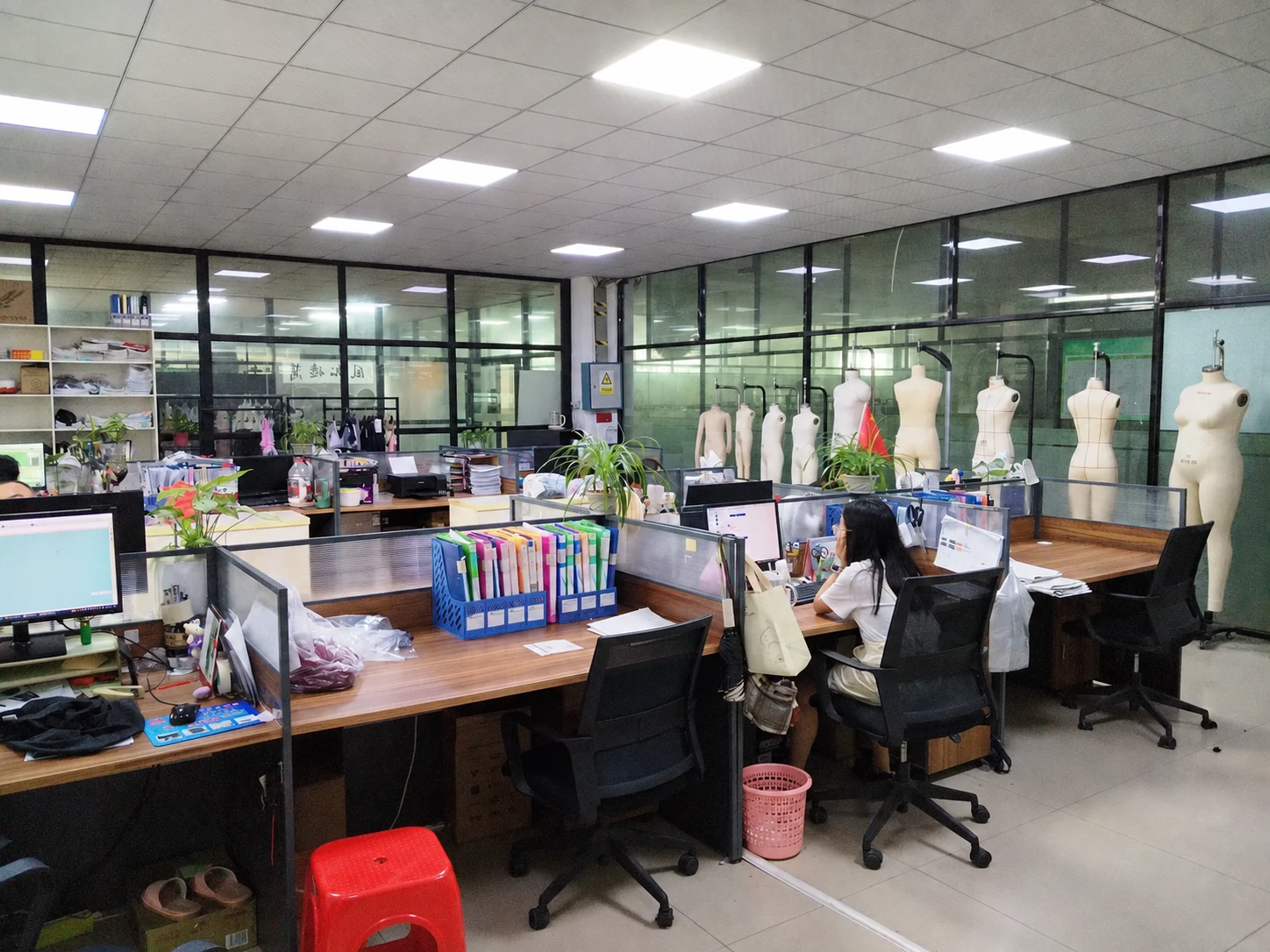
Build the fit around the selected material’s stretch and recovery. Agree the waistband depth and pocket opening.
Carry this into approval Factory views show our working environment. Your garment follows its agreed specification and sample.Use intended customer and construction priorities to narrow the brief. Then open the individual guide for a deeper material and sample review.
| Product direction | Buyer & use case | Decisions to resolve | Guide |
|---|---|---|---|
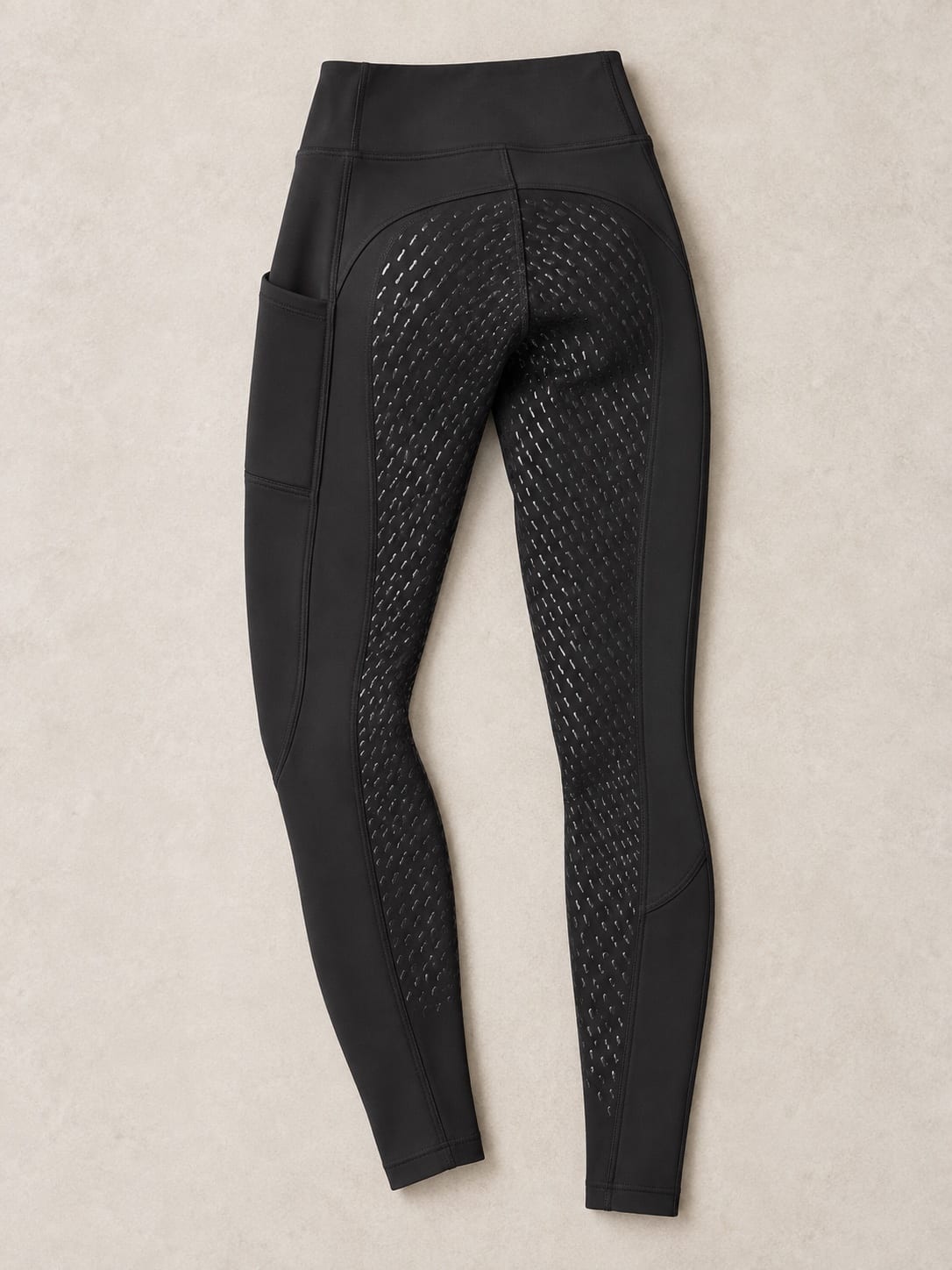 High-rise full-grip riding tights High-rise full-grip riding tights | For direct-to-consumer riding brands, dressage and schooling collections, and retailers seeking an easy pull-on hero style with athletic presentation and full-seat contact. |
| |
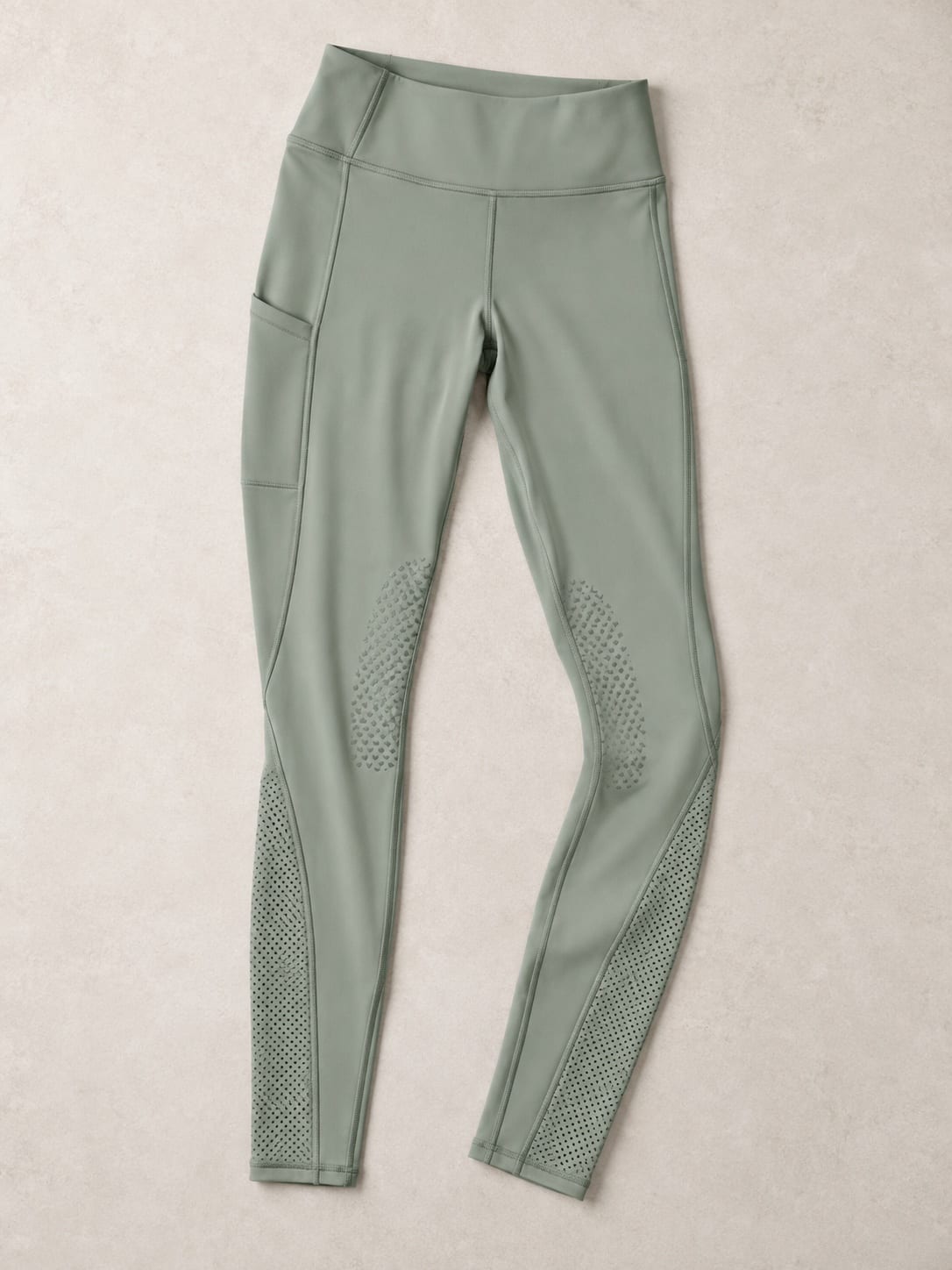 Summer mesh riding tights Summer mesh riding tights | For warm-climate riding brands, summer capsule collections, lesson programmes and retailers whose customers prioritize light hand, airflow and practical storage during schooling. |
| |
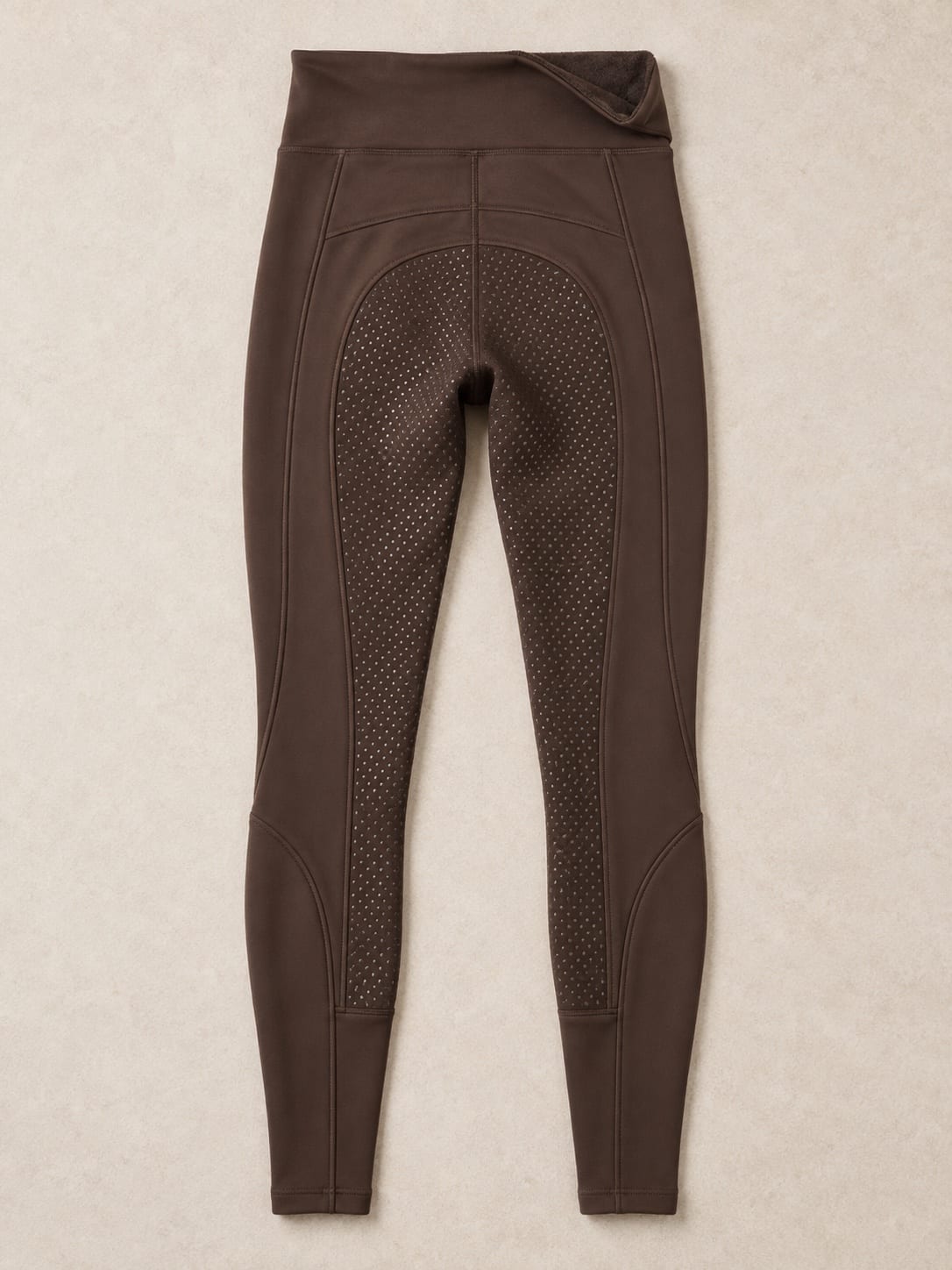 Winter brushed riding tights Winter brushed riding tights | For cold-climate brands, autumn and winter capsules, outdoor riding schools and retailers seeking a pull-on layer that remains equestrian in grip, pocket and boot details. |
| |
 Youth training riding tights Youth training riding tights | For junior equestrian brands, riding-school uniforms, pony-club programmes and family retailers wanting an approachable pull-on alternative to structured youth breeches. |
|
Explore the details before you write the brief.

Compare the pull-on waistband under movement and load. Review height, inner support and recovery with the chosen fabric. Agree the support level and internal construction so the waist stays secure without feeling rigid through the rider’s seated position.
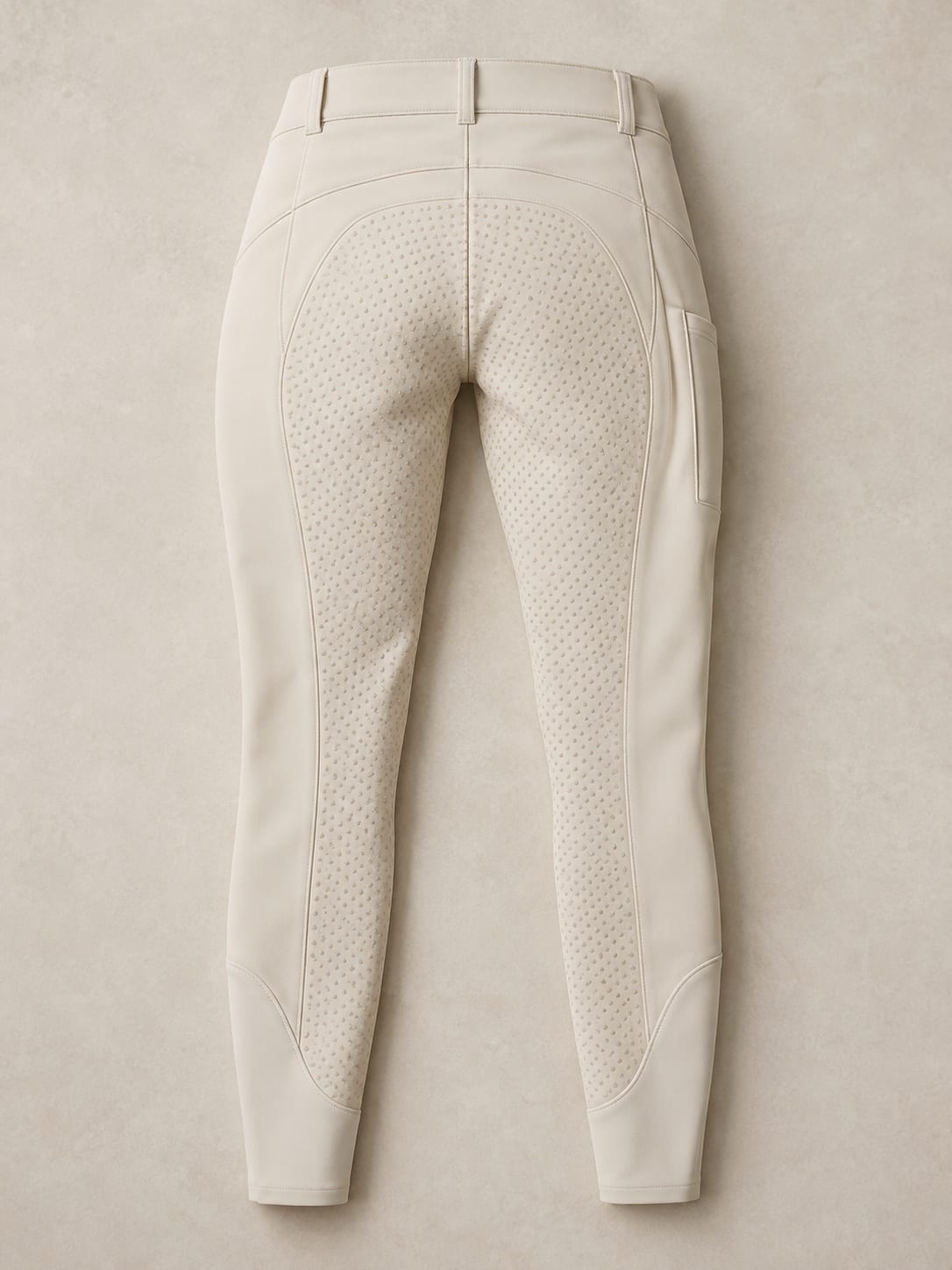
Review the contoured seat seam in riding posture. Check stretch, opacity and contact while the rider is seated. Map the seam and grip relationship on the body, then check opacity and recovery after repeated movement.
Assess the thigh phone pocket with the item it is intended to carry. Check pressure, bounce and whether it pulls the waist out of position. Confirm the device size, opening direction and pocket tension before fixing the placement and finished dimensions.
Review the ankle finish inside the intended boot. Check the hem and panel joins for bulk or friction. Set the hem circumference and panel transition with the intended boot, sock and fabric recovery in mind.
Diagram shows review locations, not an approved specification.
BUILT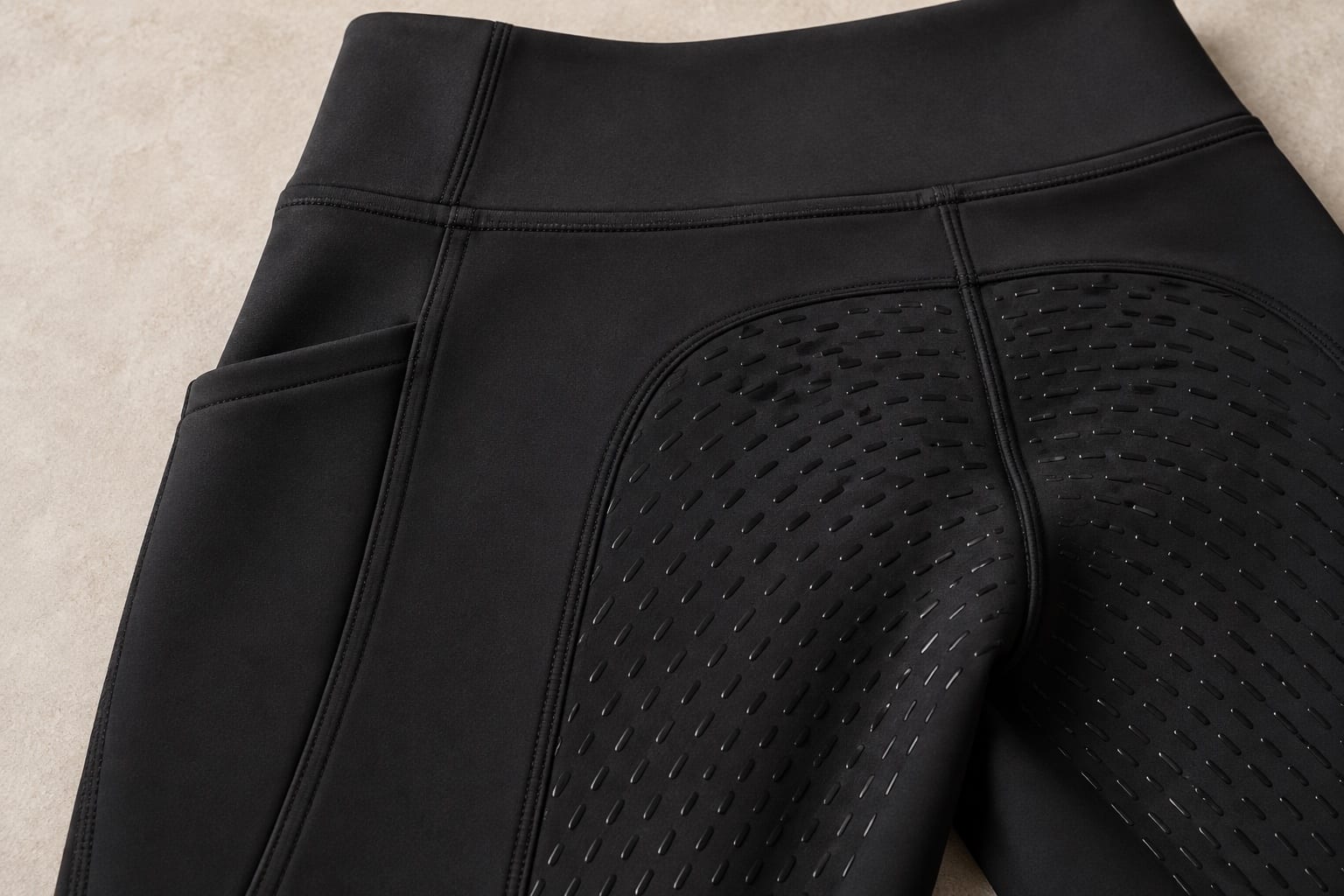 CONSTRUCTION IS PART OF THE BRIEF
Identify whether the tight is for warm-weather schooling, cool-weather training or a broad everyday range. Translate that use into material weight, panel placement and layering needs. Do not describe a fabric as cooling or thermal without confirming the evidence required for that claim.
Set the rise, width and construction, then assess the waistband with bending, sitting and the intended pocket load. Discuss recovery after stretching and laundering. A clean standing photograph is not enough to judge support or stability.
Use the actual target phone dimensions, including a typical case. Consider the opening, depth and position while seated. Review whether a full pocket changes the garment’s balance or places tension across a seam.
Bring the details that make the product yours.
We review the combination before sampling.
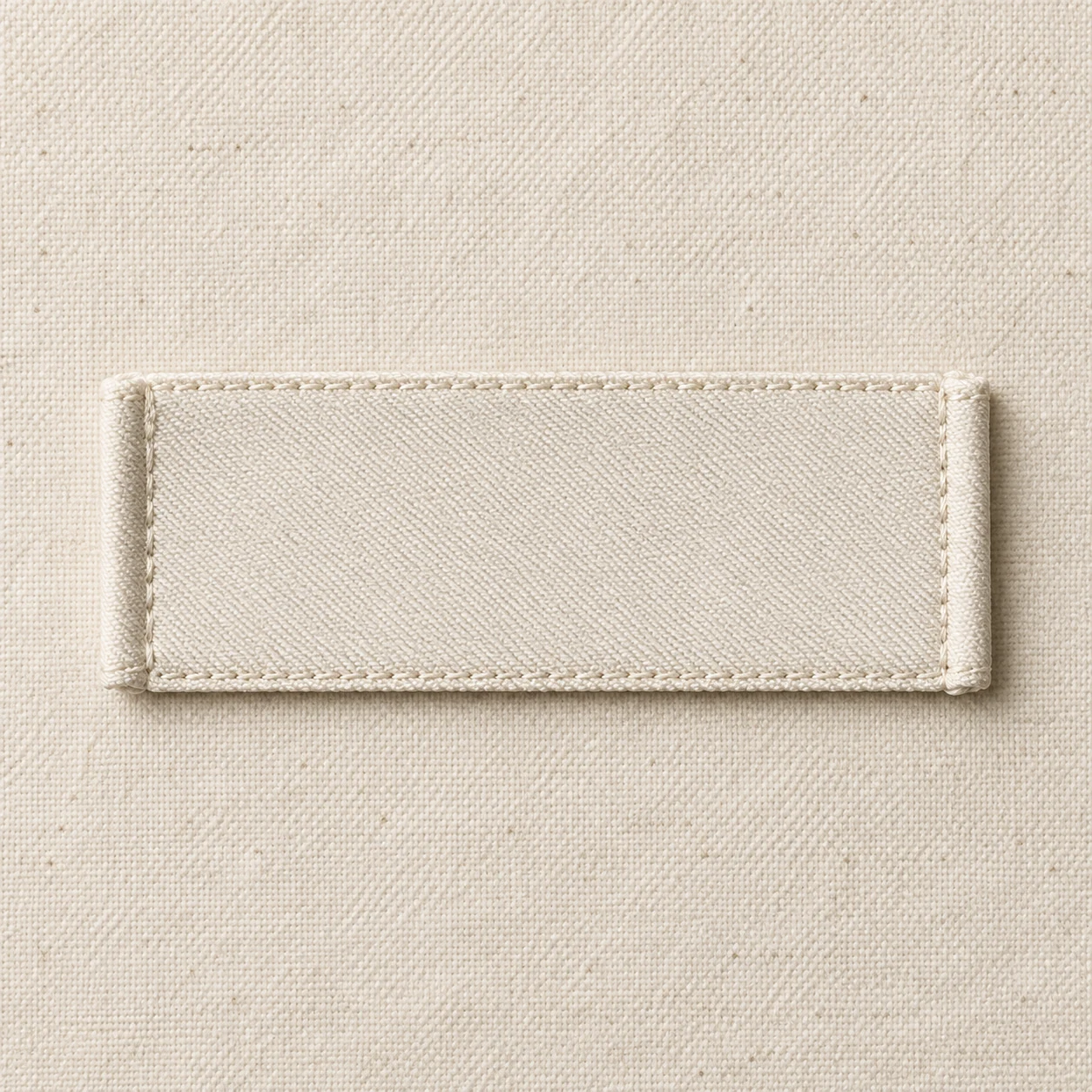
Folded edges · fine weave

Textured stock · cord attachment
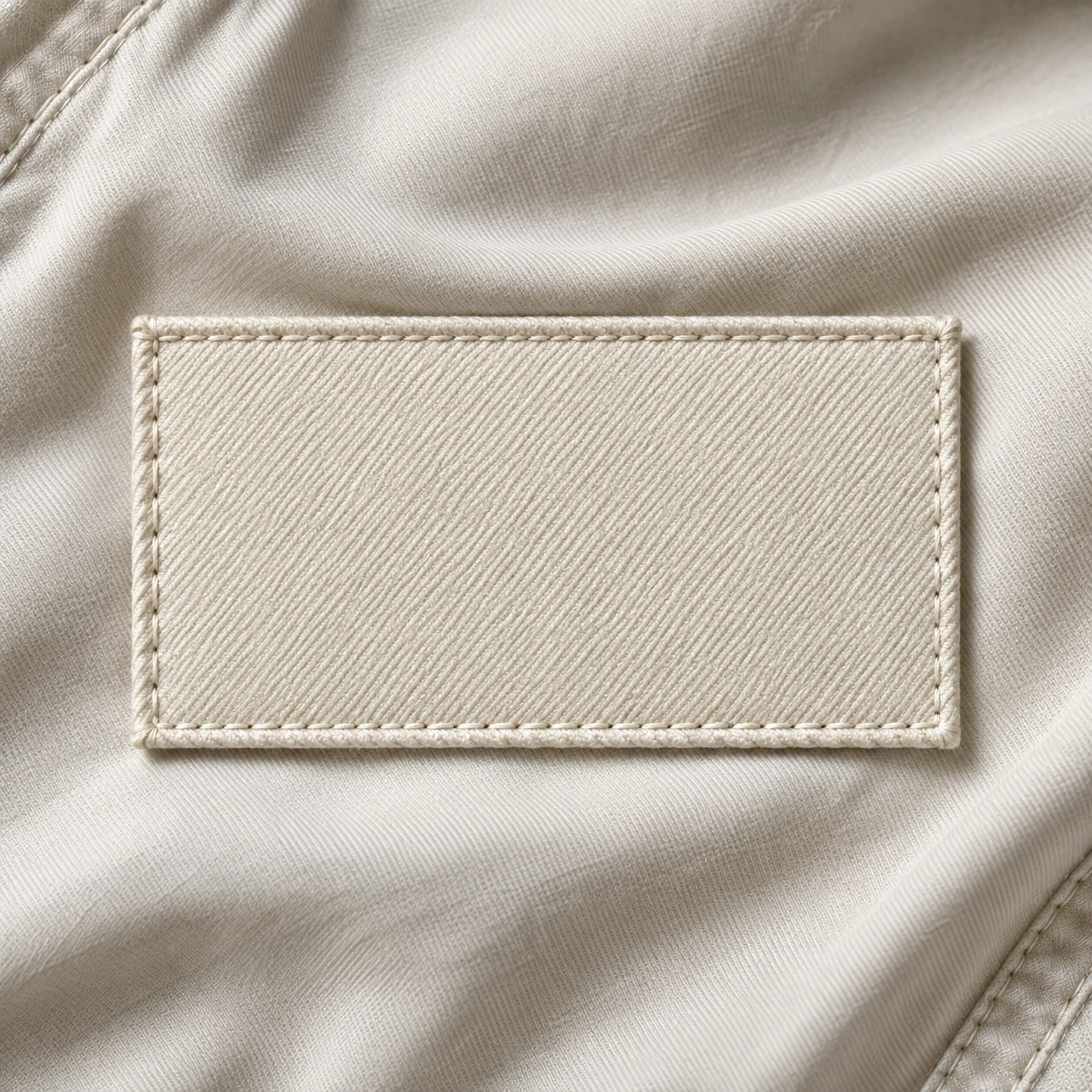
Raised edge · stitched placement
Material mockups with a live wordmark study. Print, weave, colour matching and placement are confirmed on your physical sample.
Set your intended compression, stretch recovery, fabric weight and opacity requirements. These are development targets to assess on samples.
Choose the rise, width, construction and branding direction. Review stability and comfort in the intended size range.
Define phone dimensions, pocket position and opening. Test accessibility and retention with the sample, including in a seated position.
Discuss full-seat or knee-grip directions and your artwork. Final application depends on the fabric and approved construction.
One agreed reference for the workroom: the dated sample, its specification and your confirmed order breakdown.
Build the fit around the selected material’s stretch and recovery. Agree the waistband depth and pocket opening.
Review panel direction, grip placement and ventilation positions before the sample is assembled.
Review seam bulk, waist stability and pocket security with the rider moving. Keep the findings with the revised sample.
Confirm each style and colour separately, with the size allocation attached. The minimum is 100 pieces per style, per colour.
Agree label artwork, packing instructions and the production start. Bulk production takes 30–45 working days from the confirmed start; revisions and transit are planned separately.
A useful first conversation includes the intended rider, the chosen product direction and the details still open for review. Add references to explain the construction you want; identify what you would change for your own label.
Sampling takes 7–10 working days from the agreed start. Bulk production takes 30–45 working days from the confirmed production start. Material confirmation, revisions and transit are planned separately.
Start a riding tights projectPlanning baseline: 100 pieces minimum per style, per colour. Sampling takes 7–10 working days; bulk production takes 30–45 working days from the agreed start.
Resolve these questions alongside the product-specific sample checklist.
Compare the intended climate, material construction, inner finish, panel layout and underlayer allowance. Review each proposed fabric on its own sample. The winter product’s feel and fit may differ even when the external design looks similar.
A photograph cannot establish opacity across the size range. Agree a sample review with the intended stretch, colour, lighting and wearer movement. Request the actual material specification and record the conditions used for approval.
Youth proportions, waistband behaviour, pocket needs and movement should be reviewed deliberately. Use a defined youth measurement block and confirm relevant market requirements before finalising labels, trims and any adjustable features.