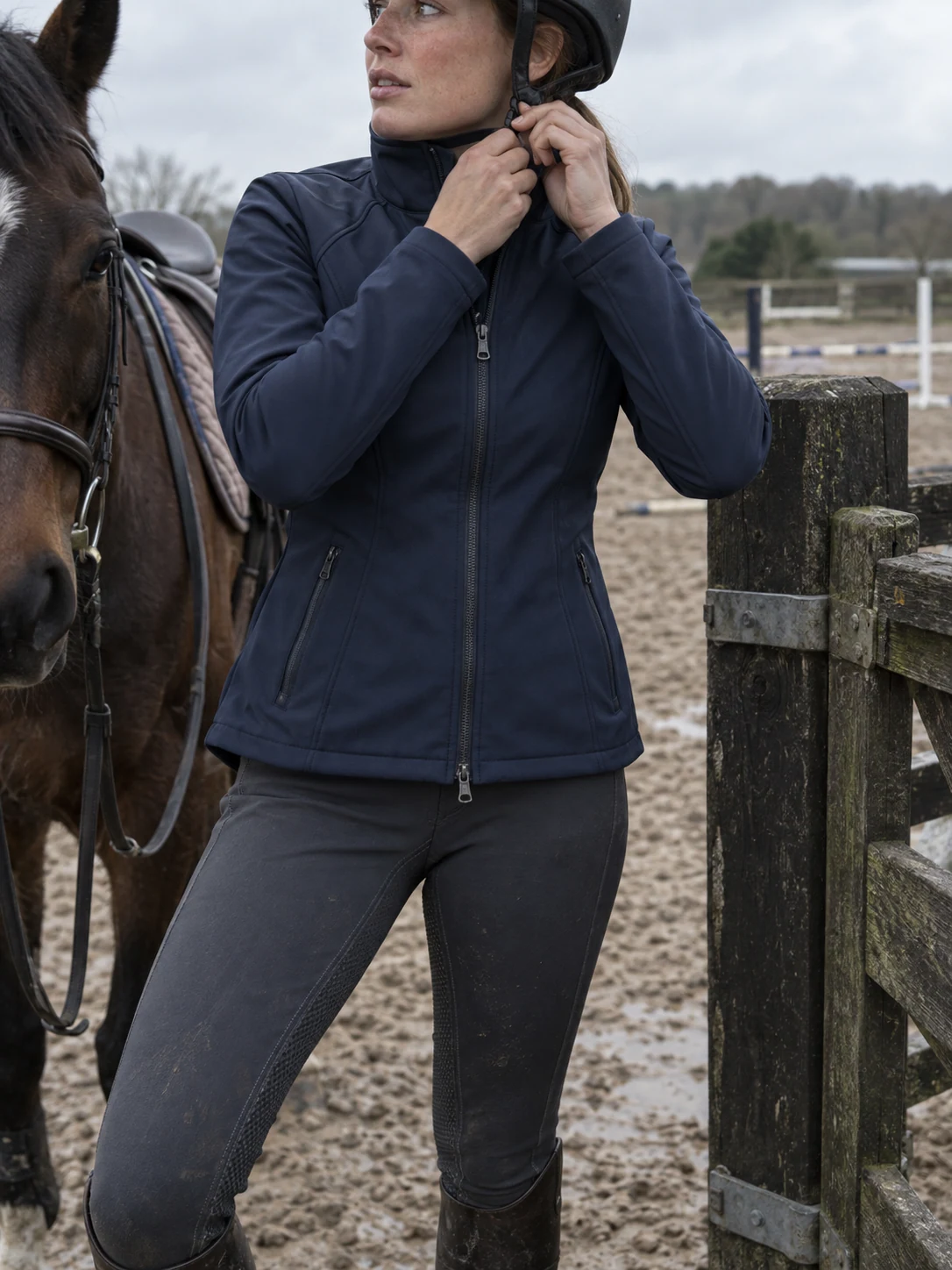
Quilted riding gilet
Private label quilted riding gilets for equestrian brands: length, insulation, two-way zips, pockets and armhole fit. Request an OEM quote.
Read the buying guide REINFORM.
REINFORM is an equestrian outerwear manufacturer for private label riding jackets and gilets. Compare quilted vests, softshells, rain shells and insulated stable jackets. Define insulation, movement, closures and pockets, with test evidence for any weather-protection claims.
Transitional layering, stable & team collections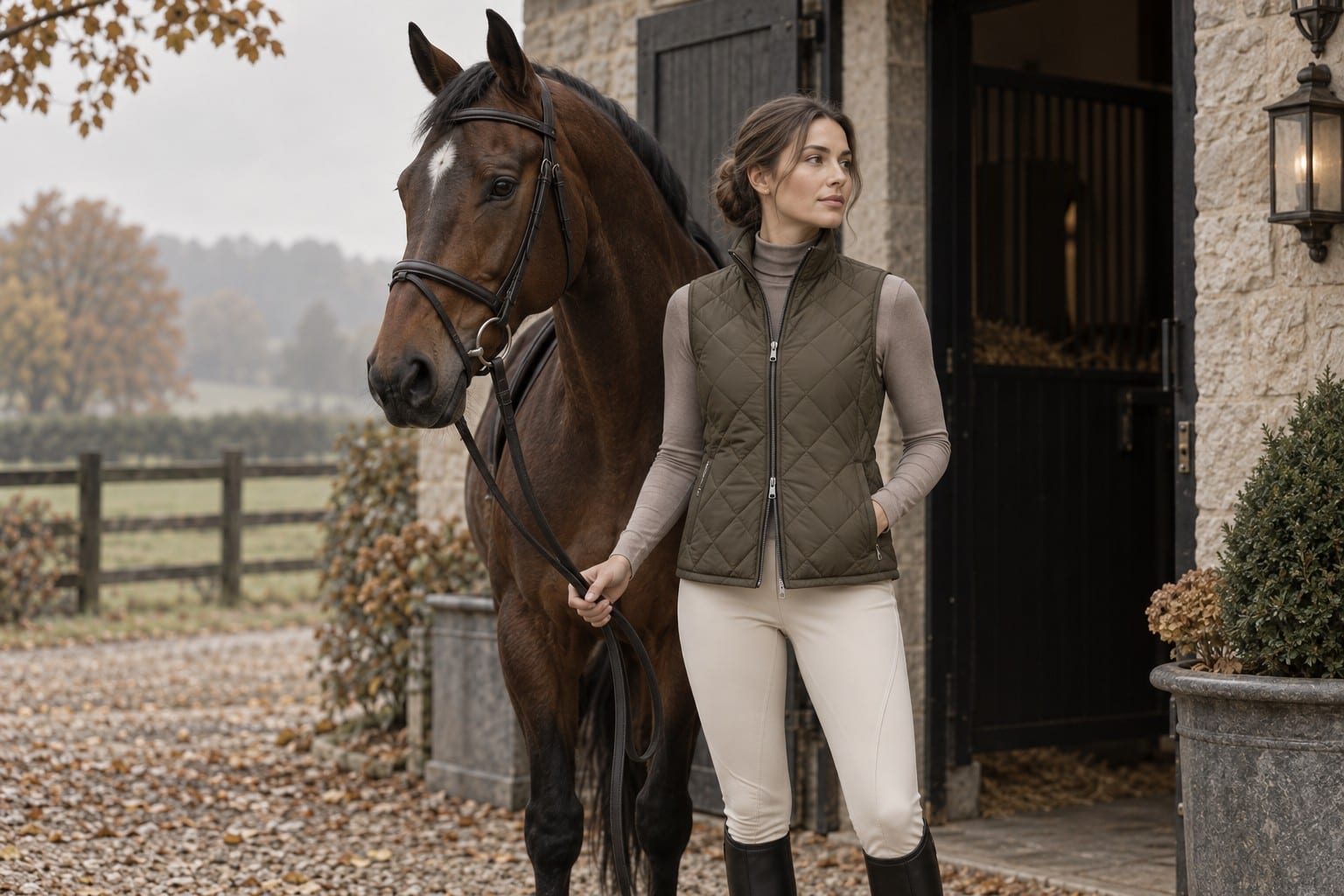
Outerwear needs a clearly defined job: light core warmth, stretch during training, wet-weather coverage or insulation around the stable. These four directions separate a quilted gilet, a softshell jacket, a lightweight rain shell and an insulated stable jacket. Compare the shell, lining, closure and hem construction with the intended season and underlayers. Weather-related claims require an agreed specification and appropriate verification; silhouette alone cannot prove them.
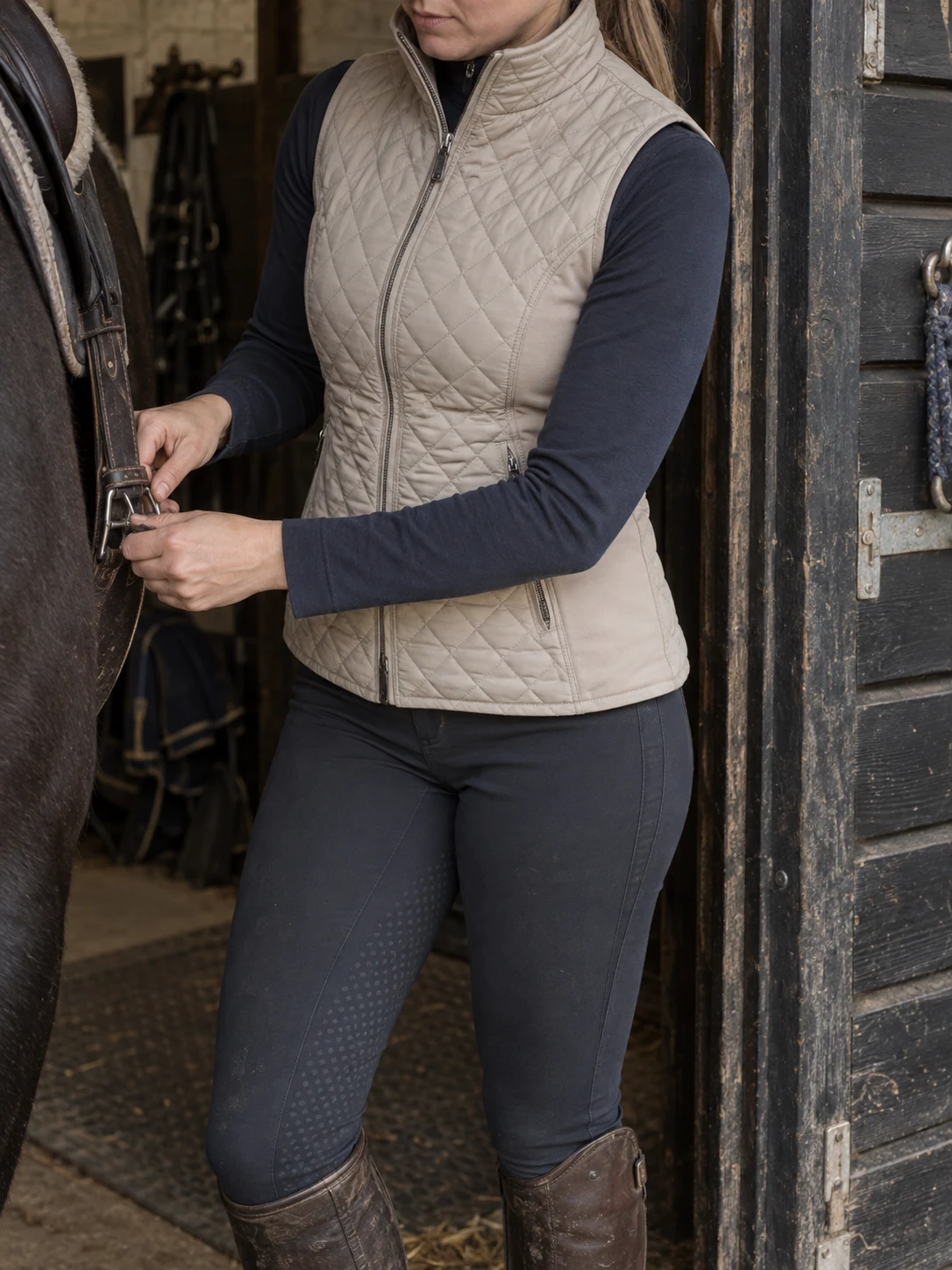
For riding brands, clubs, stable teams and tack retailers seeking a versatile autumn or winter layer that carries branding while keeping arms free for riding and chores.
Every product opens a detailed buying guide.
Materials. Fit. Construction. Sample review.
Private label quilted riding gilets for equestrian brands: length, insulation, two-way zips, pockets and armhole fit. Request an OEM quote.
Read the buying guidePrivate label softshell riding jackets for equestrian brands: stretch fit, hem length, closures and evidence for weather claims. Request an OEM quote.
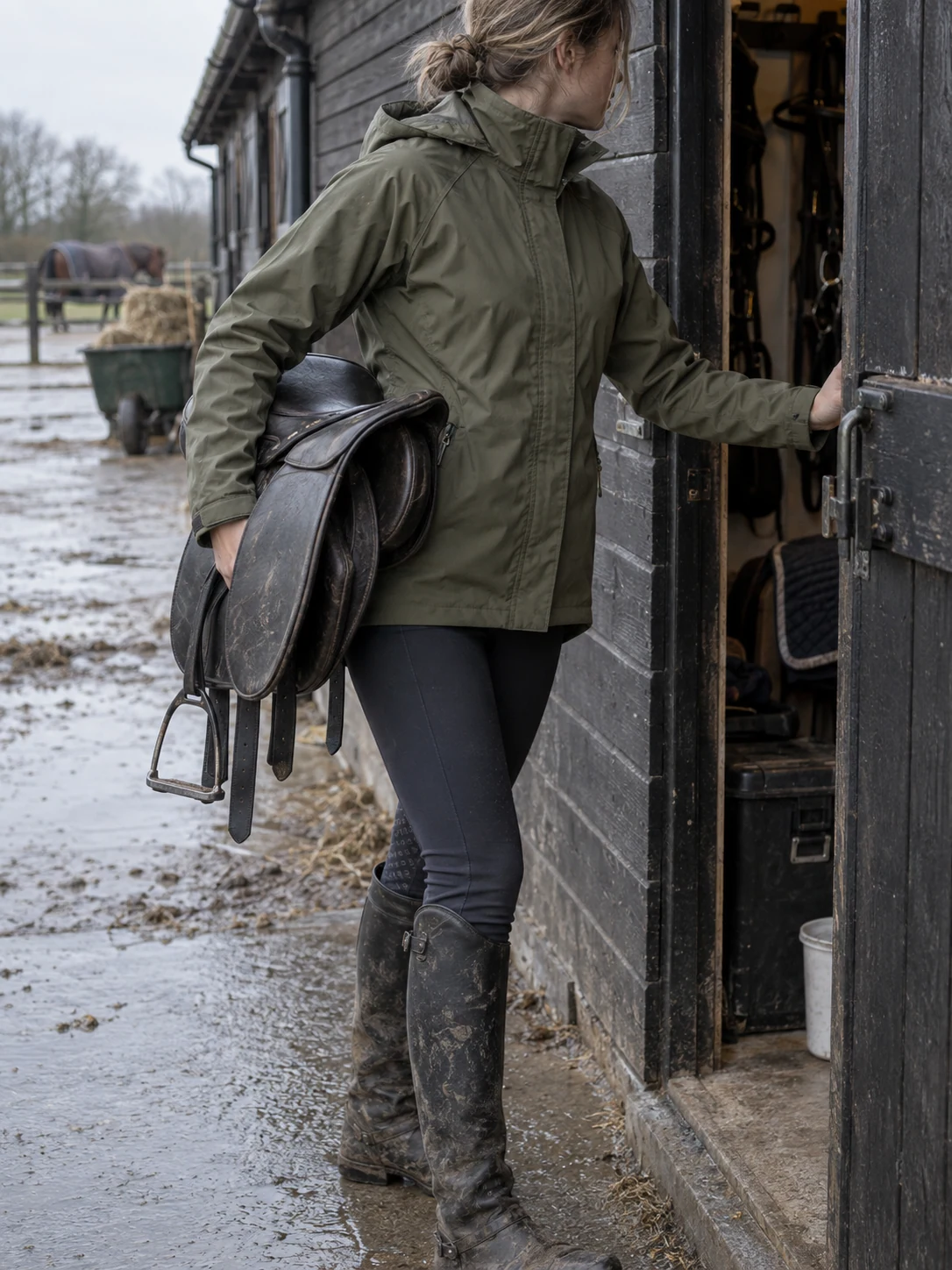
Read the buying guidePrivate label rain riding shells for equestrian brands: seams, zips, mounted coverage and testing of the agreed waterproof target. Request an OEM quote.
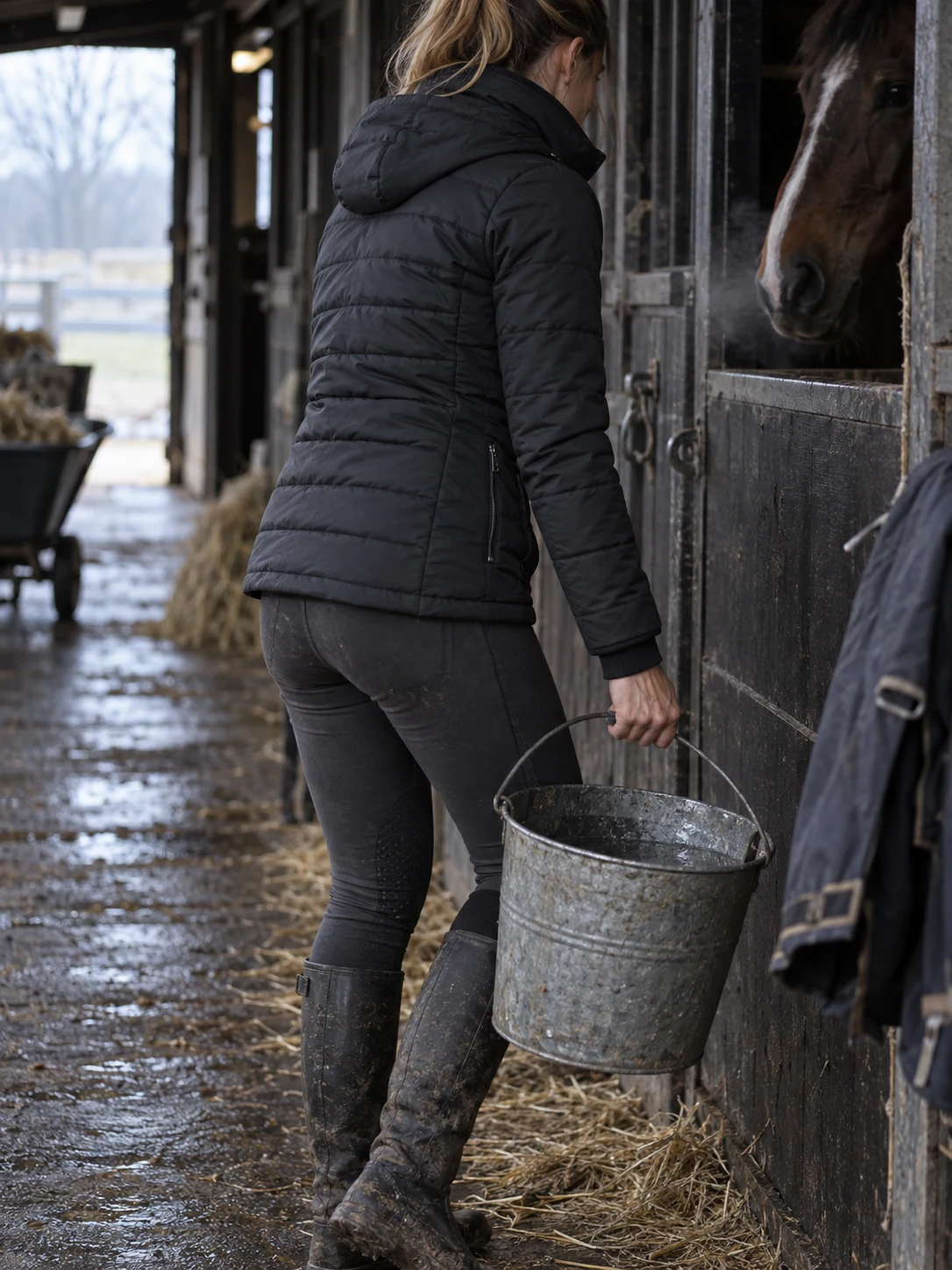
Read the buying guidePrivate label insulated stable jackets for equestrian brands: outer fabric, fill, layering ease, pockets and wash checks. Request an OEM quote.
Read the buying guideOriginal development concepts for private-label discussion. These are not stocked retail products; final garments follow an agreed specification and approved sample.
Layers, movement and hardware belong in one development conversation. Resolve them on the sample before bulk.
Explore our factory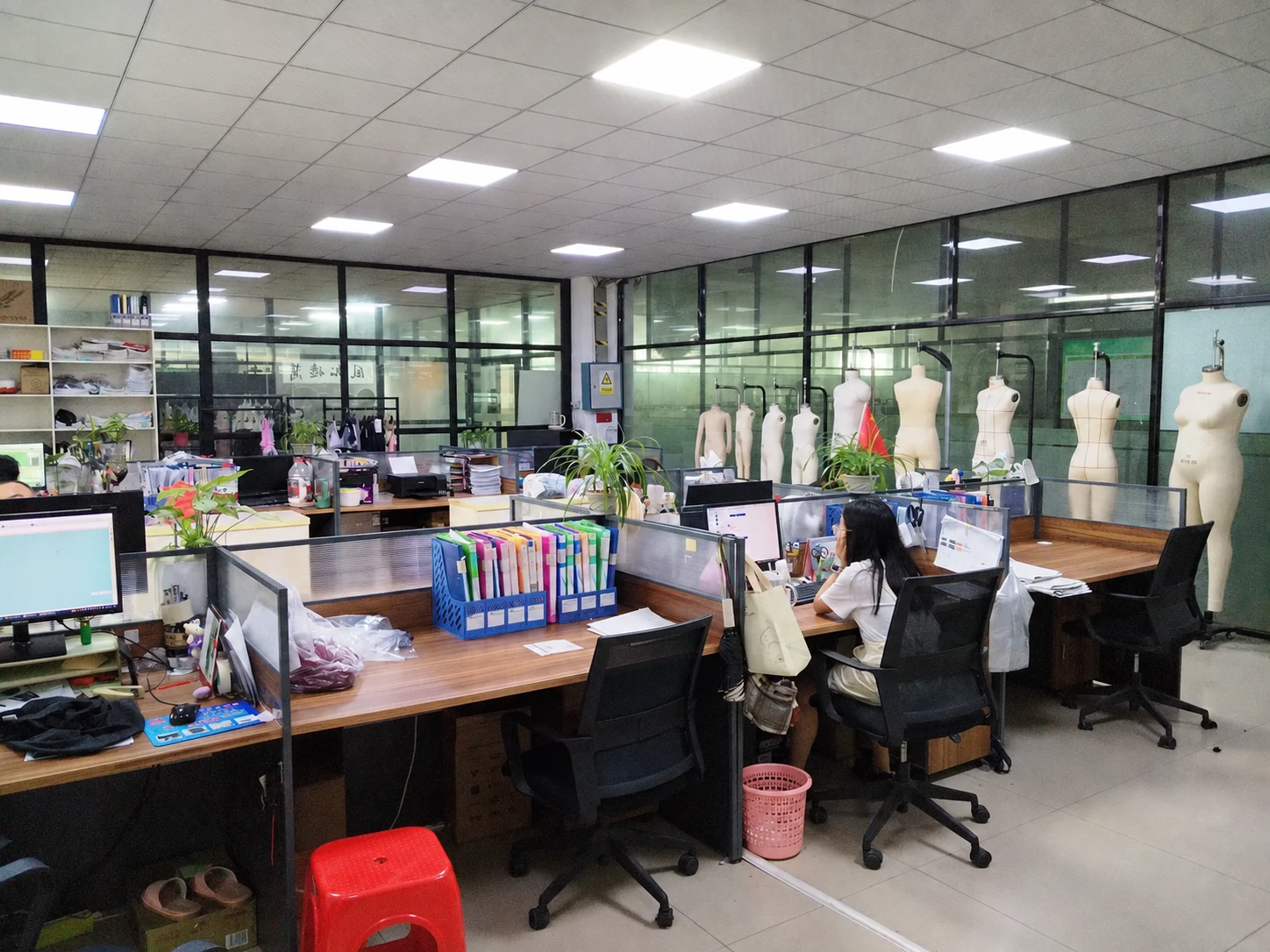
Plan sleeve articulation, back length and layering ease around the intended riding position.
Carry this into approval Factory views show our working environment. Your garment follows its agreed specification and sample.Use intended customer and construction priorities to narrow the brief. Then open the individual guide for a deeper material and sample review.
| Product direction | Buyer & use case | Decisions to resolve | Guide |
|---|---|---|---|
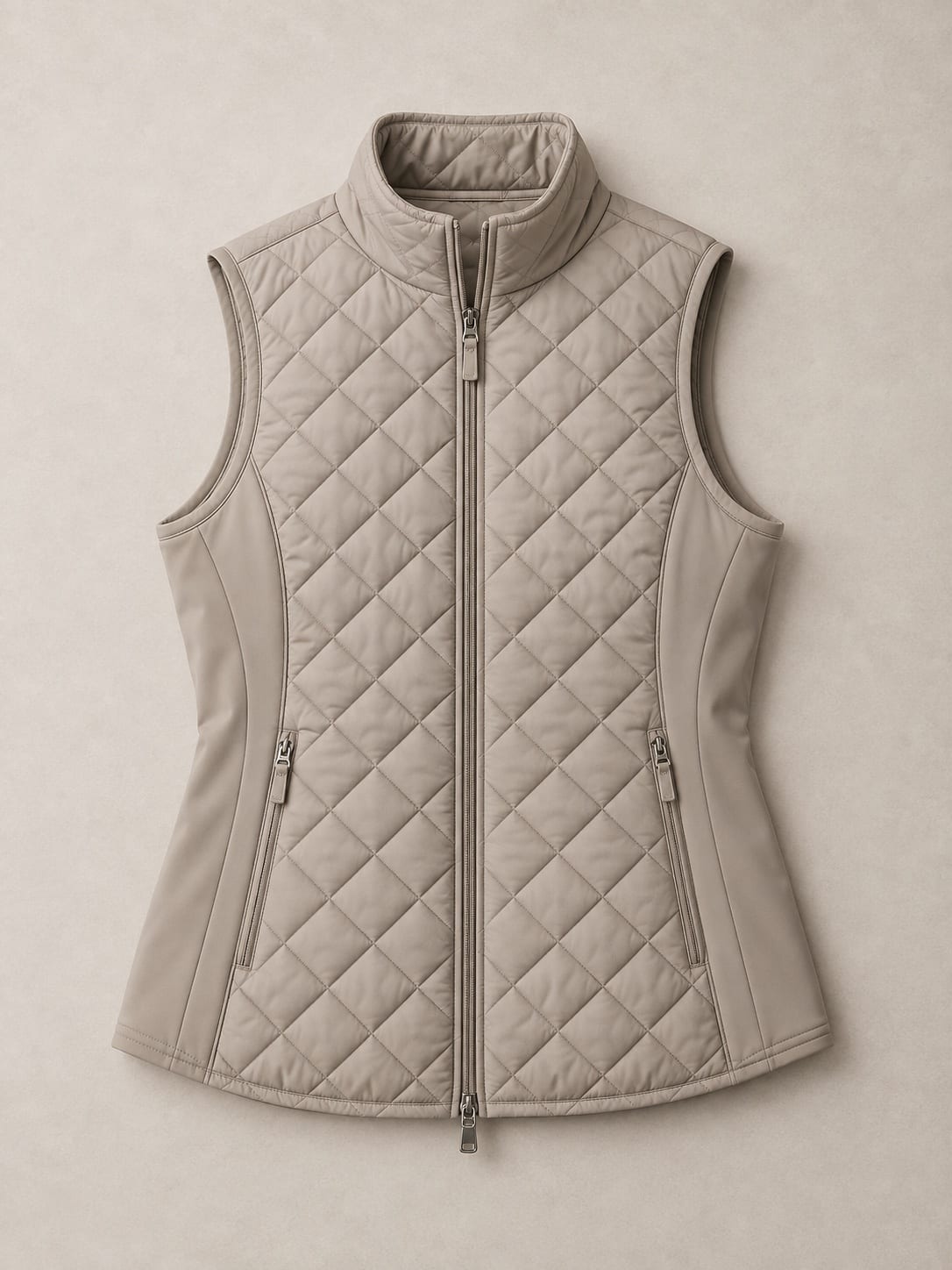 Quilted riding gilet Quilted riding gilet | For riding brands, clubs, stable teams and tack retailers seeking a versatile autumn or winter layer that carries branding while keeping arms free for riding and chores. |
| |
 Stretch softshell riding jacket Stretch softshell riding jacket | For equestrian brands, yard teams and clubs seeking a versatile fitted jacket for cool rides, training and stable work rather than a fully insulated winter coat. |
| |
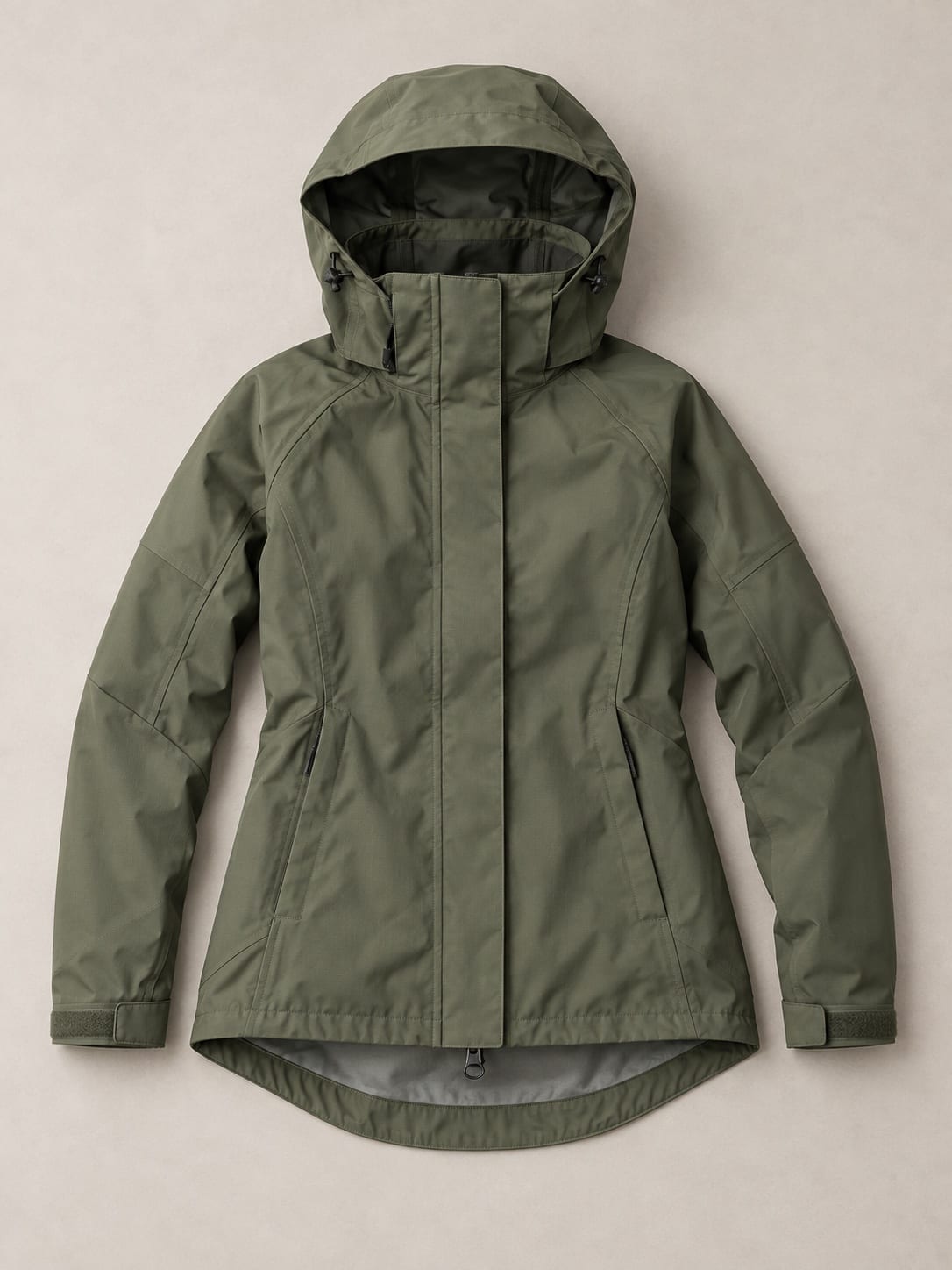 Lightweight rain riding shell Lightweight rain riding shell | For wet-climate equestrian brands, trail and schooling ranges, team outerwear and retailers needing a packable protective layer specifically cut for riding. |
| |
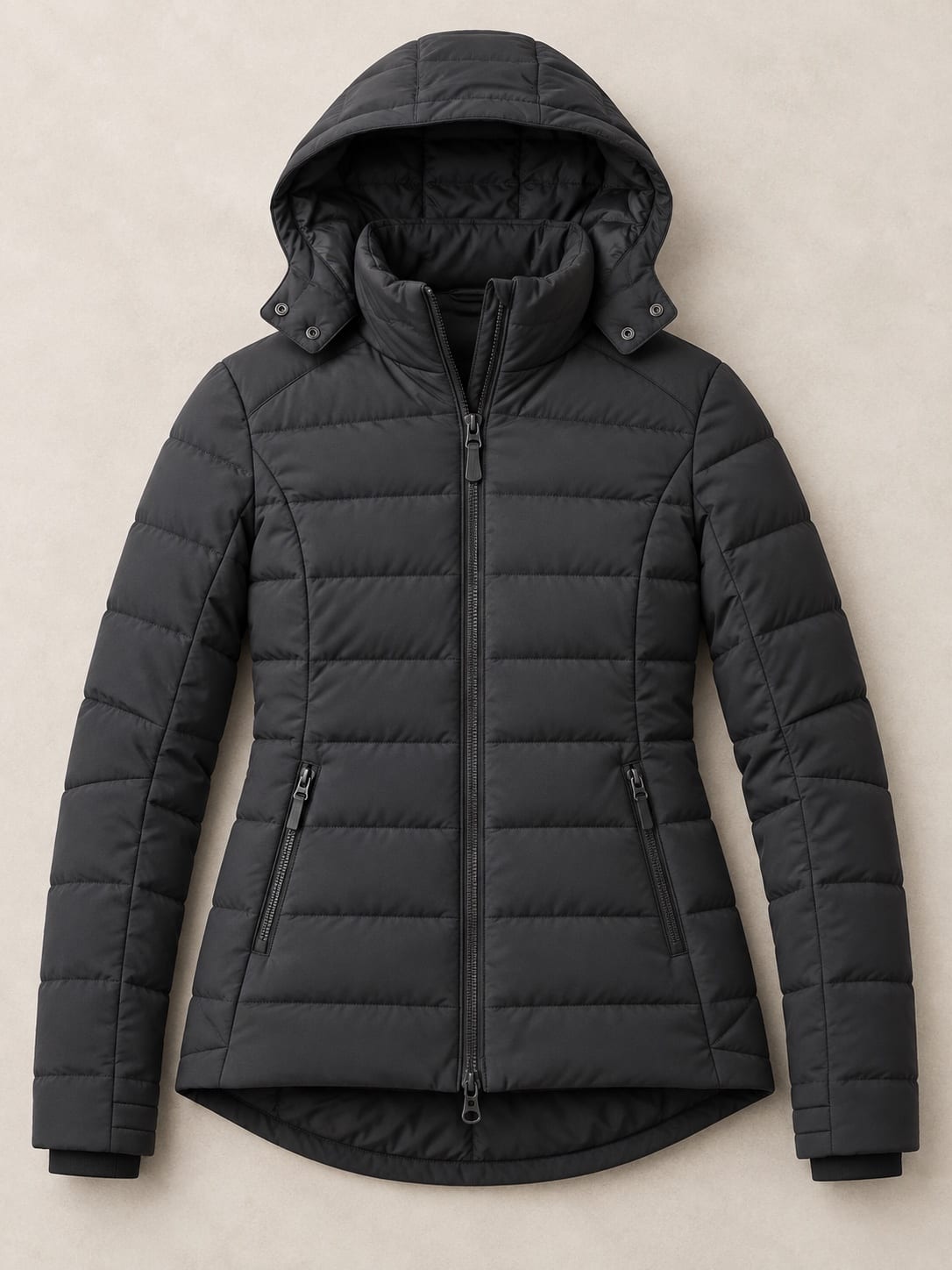 Insulated stable jacket Insulated stable jacket | For stable teams, equestrian workwear brands, clubs and cold-season retailers needing an everyday outer layer that can handle chores and remain usable for riding. |
|
Explore the details before you write the brief.
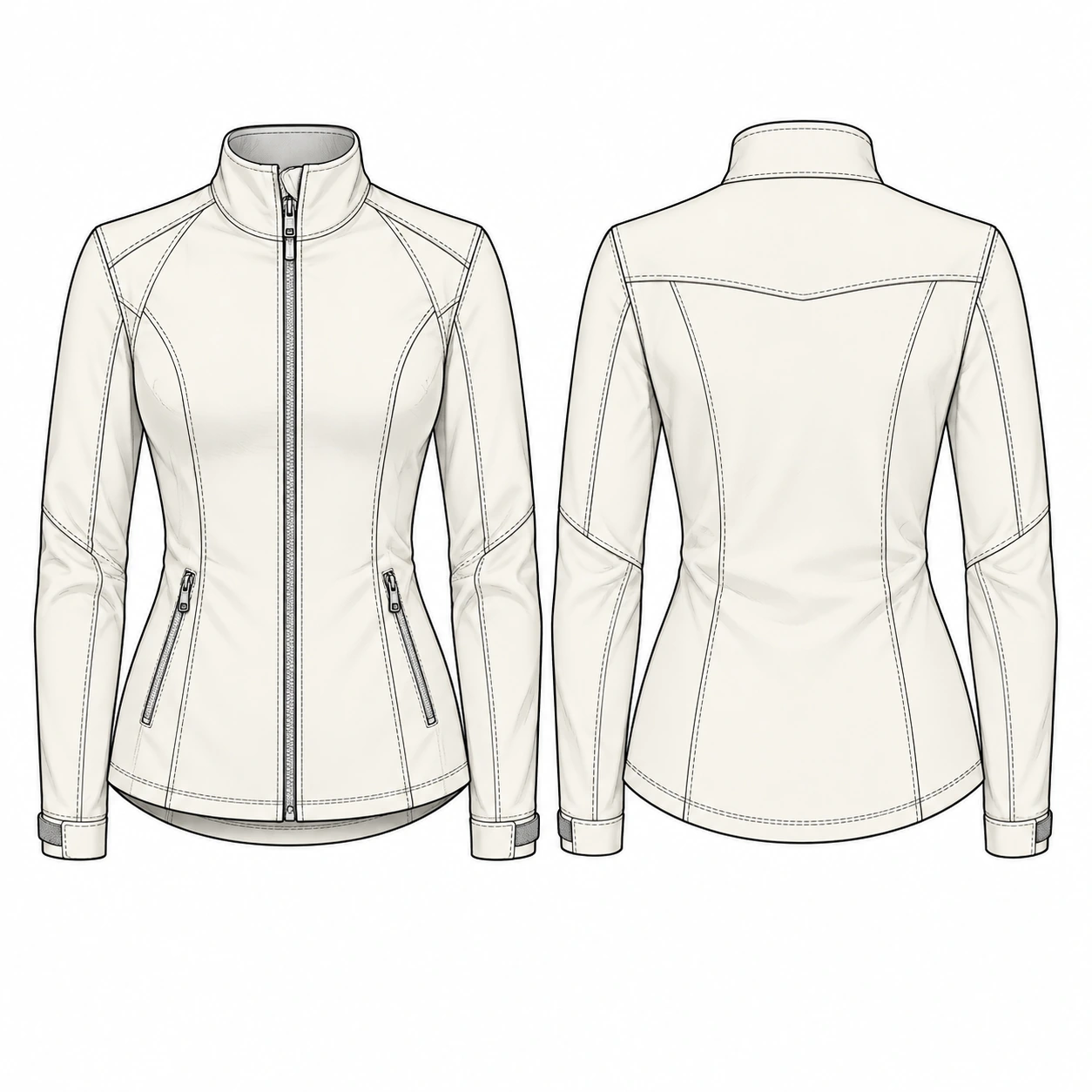
Consider the protective collar with the intended layers and equipment. Review height, edge finish and neck movement together. Review collar height and edge finish with the intended base and mid layers.
Review the full-zip front while standing and seated. Agree the zip gauge, inner guard, puller and lower-end position on the complete sample. Agree zip gauge, storm guard, puller and lower-end position, then test the complete closure while seated.
Check the zipped hand-pocket opening with gloves and the expected carried item. Review placement while standing and seated. Map access with gloves and confirm pocket-bag capacity, closure direction and reinforcement on the sample.
Test the adjustable cuff over the intended underlayer or glove. Check closure range, edge bulk and freedom at the wrist. Coordinate cuff adjustment and hem coverage with gloves, saddle position and the expected layering system.
Diagram shows review locations, not an approved specification.
BUILT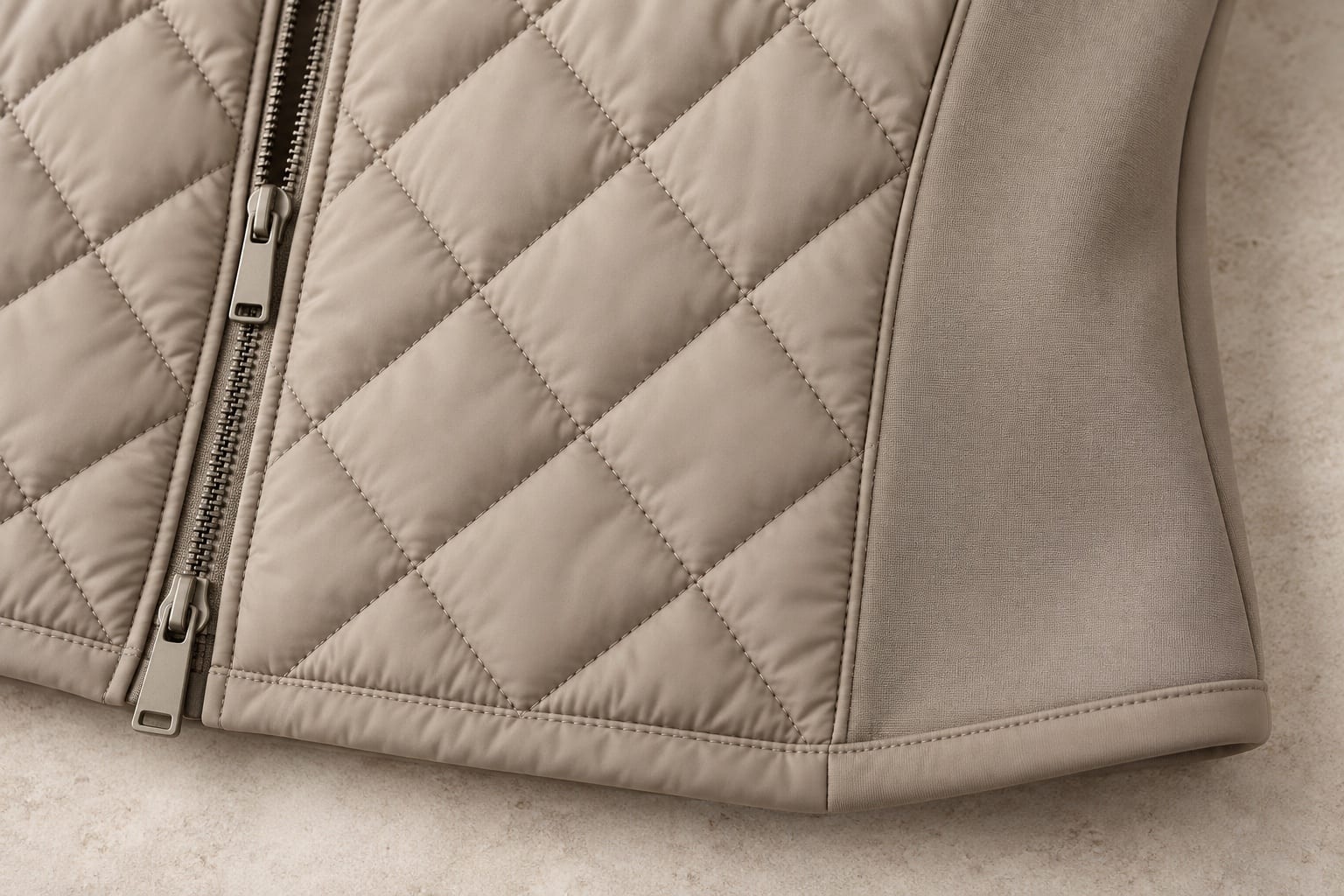 CONSTRUCTION IS PART OF THE BRIEF
Discuss the conditions the garment is intended to address and the evidence behind any claim. A shell fabric, seam treatment, zipper and finished garment can perform differently. Ask what will be tested and which exact construction the result covers.
A two-way zipper, riding vent or shaped rear hem needs to be considered as a working detail. Check pocket access, shoulder movement and how the garment interacts with the saddle and base layer.
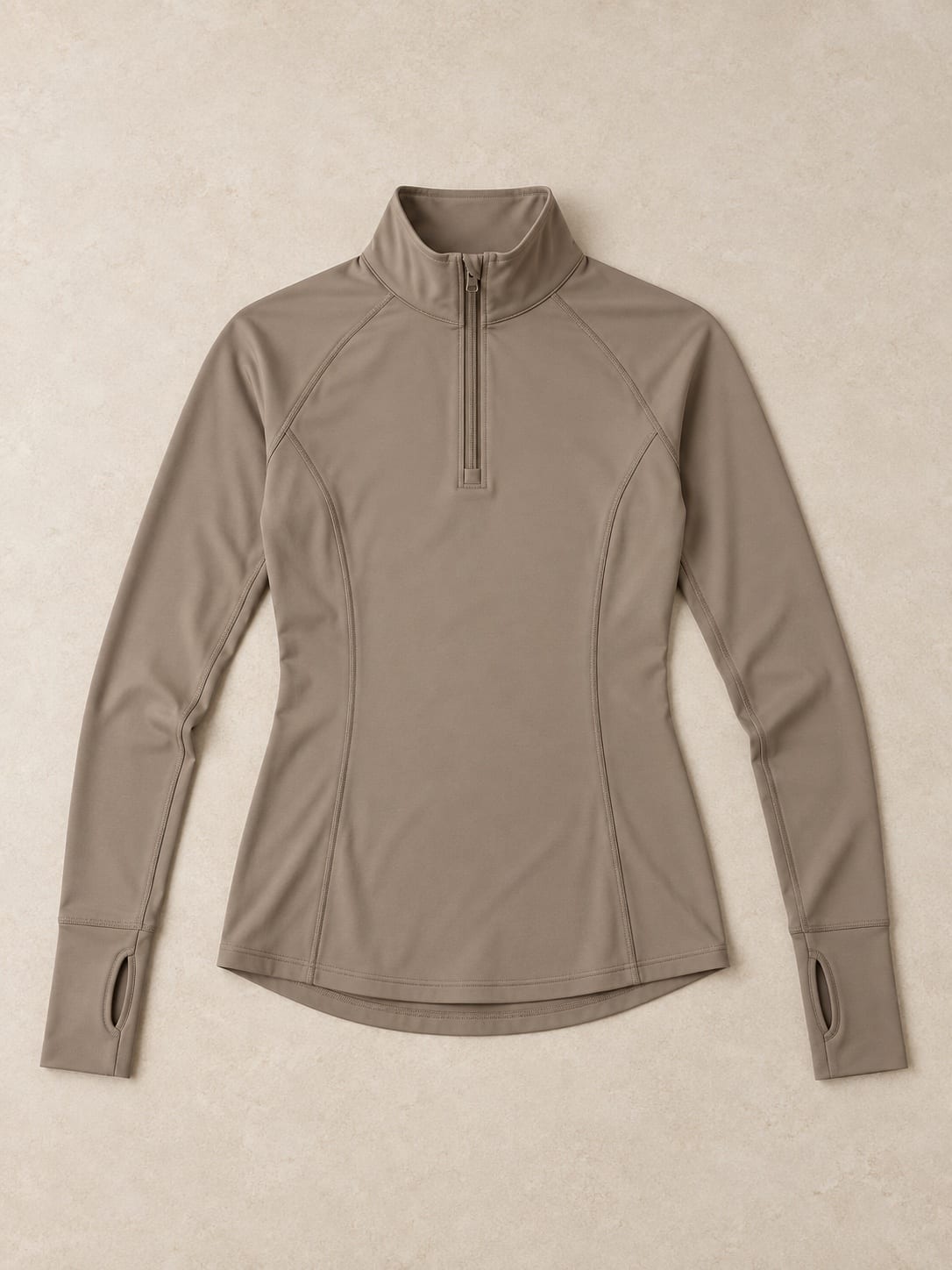
Compare the face fabric, insulation, lining, quilting and fit together. State the layering allowance and preferred care routine. Review the sample for bulk and movement, rather than selecting insulation by appearance alone.
Bring the details that make the product yours.
We review the combination before sampling.
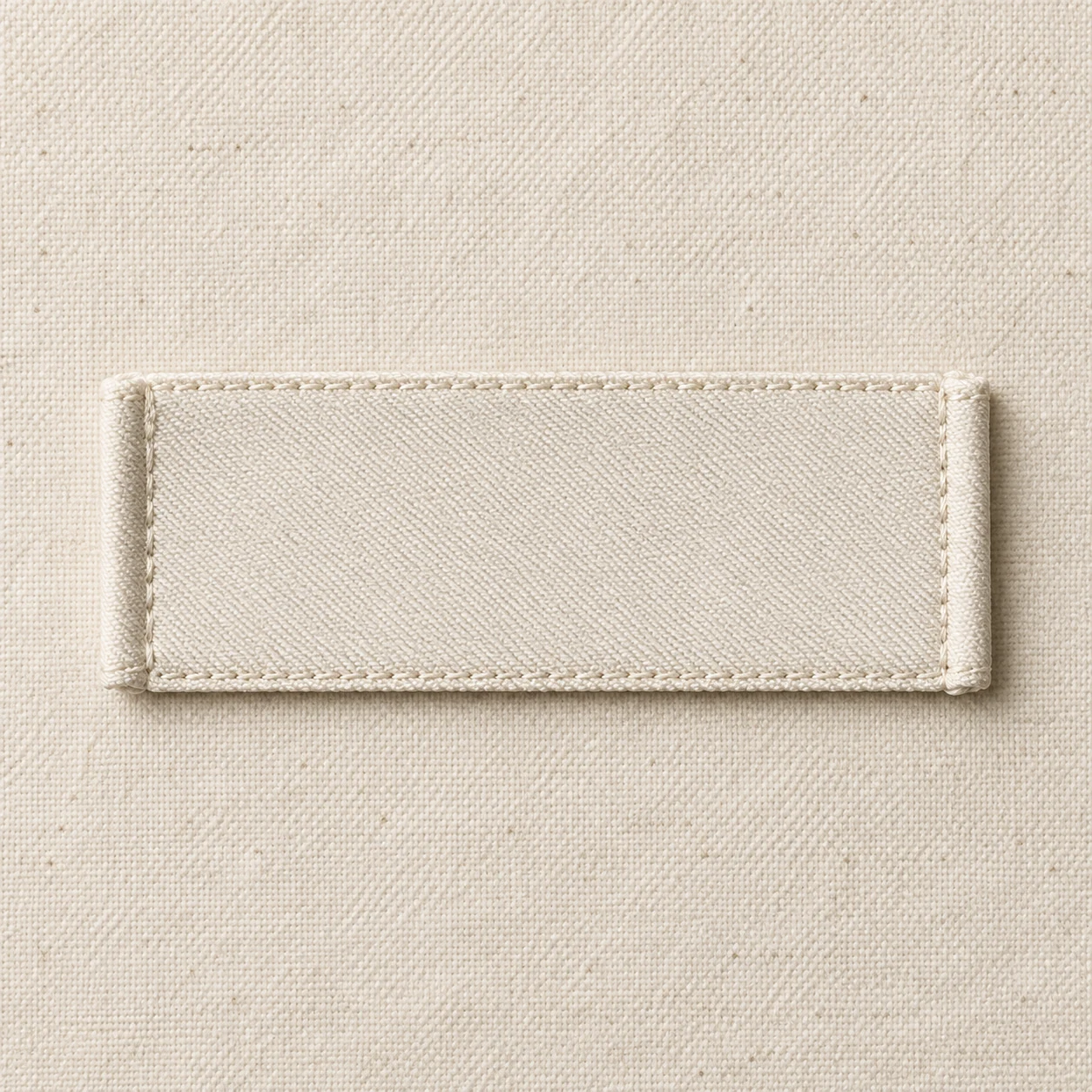
Folded edges · fine weave

Textured stock · cord attachment
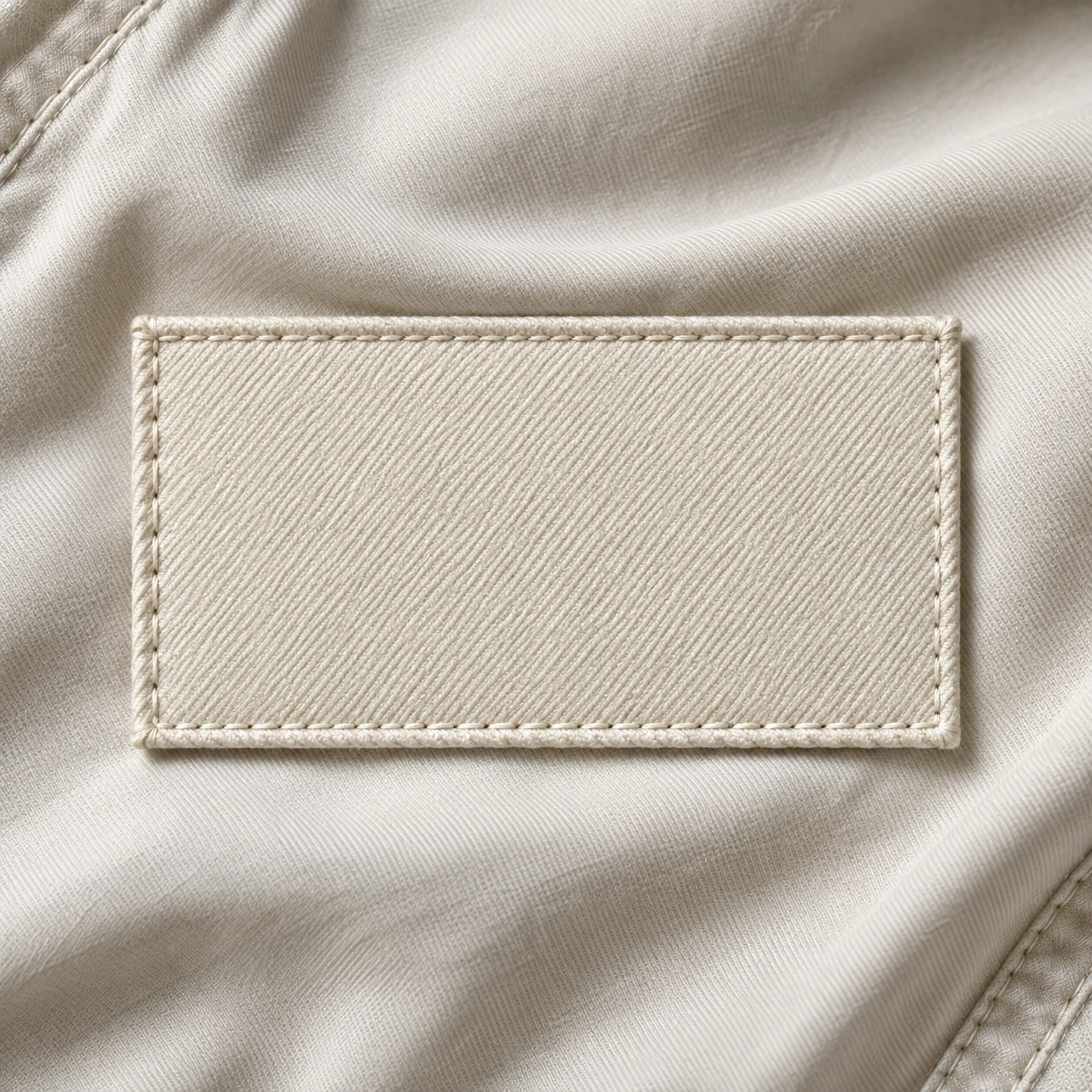
Raised edge · stitched placement
Material mockups with a live wordmark study. Print, weave, colour matching and placement are confirmed on your physical sample.
Set the body length, armhole, collar and fit over base layers. Review the sample in both standing and riding positions.
Discuss shell, lining and insulation direction for your season. Final fabric composition and construction are confirmed during development.
Define pocket placement, zipper direction, pullers and hem treatment. Evaluate the proposed construction before committing to bulk.
Build a consistent colour and branding story across outerwear, base layers and riding bottoms. Ask for a feasibility review of your preferred combination.

One agreed reference for the workroom: the dated sample, its specification and your confirmed order breakdown.
Plan sleeve articulation, back length and layering ease around the intended riding position.
Agree shell, lining, insulation and panel direction where applicable. Map openings and hardware positions.
Review zip travel, hem control and reach with the intended underlayers. Confirm any weather-related testing separately.
Confirm each style and colour separately, with the size allocation attached. The minimum is 100 pieces per style, per colour.
Agree label artwork, packing instructions and the production start. Bulk production takes 30–45 working days from the confirmed start; revisions and transit are planned separately.
A useful first conversation includes the intended rider, the chosen product direction and the details still open for review. Add references to explain the construction you want; identify what you would change for your own label.
Sampling takes 7–10 working days from the agreed start. Bulk production takes 30–45 working days from the confirmed production start. Material confirmation, revisions and transit are planned separately.
Start a outerwear projectPlanning baseline: 100 pieces minimum per style, per colour. Sampling takes 7–10 working days; bulk production takes 30–45 working days from the agreed start.
Resolve these questions alongside the product-specific sample checklist.
No. Discuss the shell specification, seam sealing, closures, construction and test evidence required for the intended claim. The buying guide is a development brief, not a certification or performance guarantee.
A two-way opening can be a useful design direction for seated movement and hem adjustment. Whether it suits your garment depends on length, fit and intended use. Test the chosen zipper and construction on the riding sample.
Define the expected layers and climate in the brief. A close training fit and an insulated stable fit may need different ease. Use the intended underlayers during fit review and record them with the approved measurements.