 REINFORM
Cut the Softshell for Riding
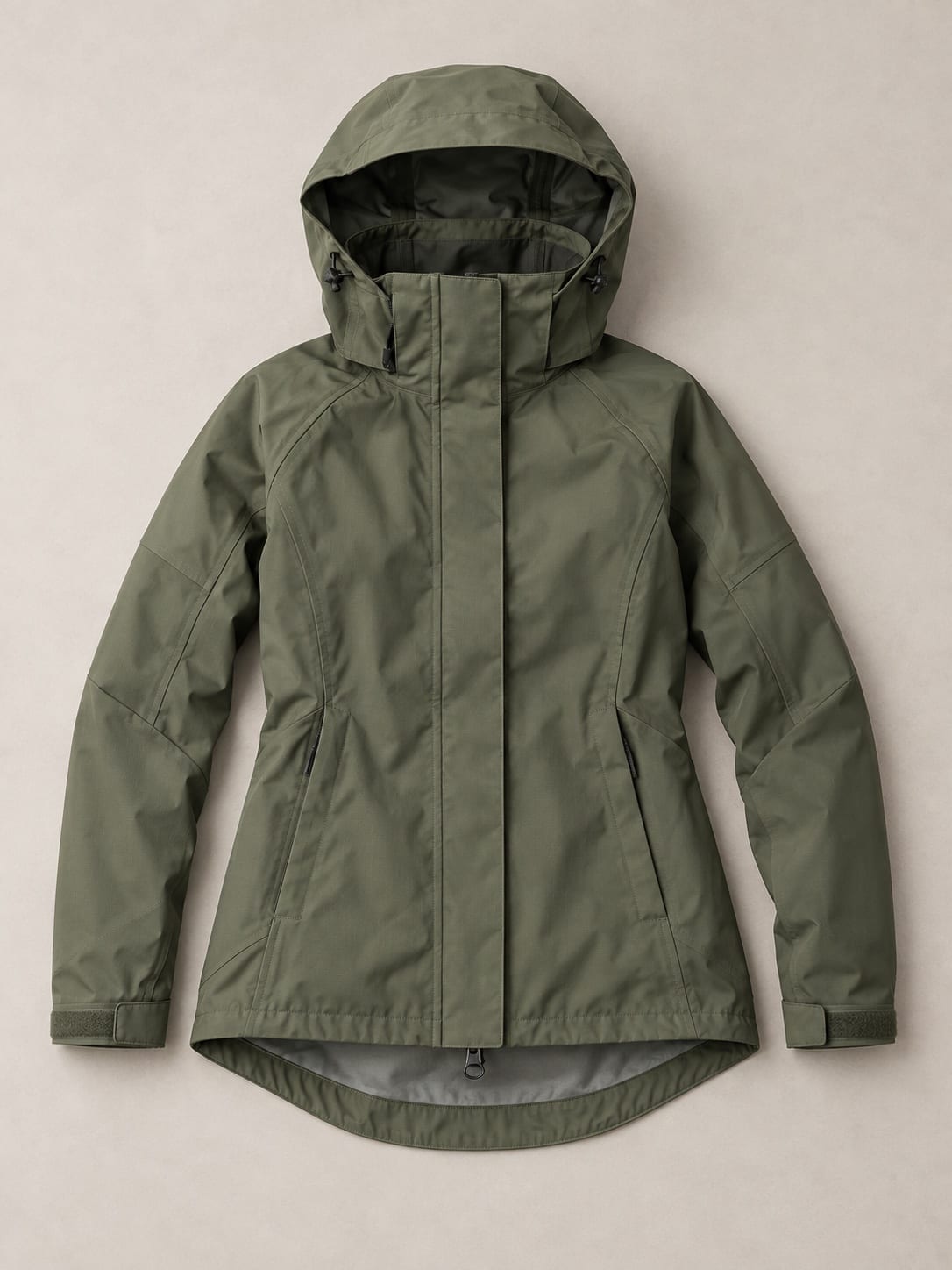
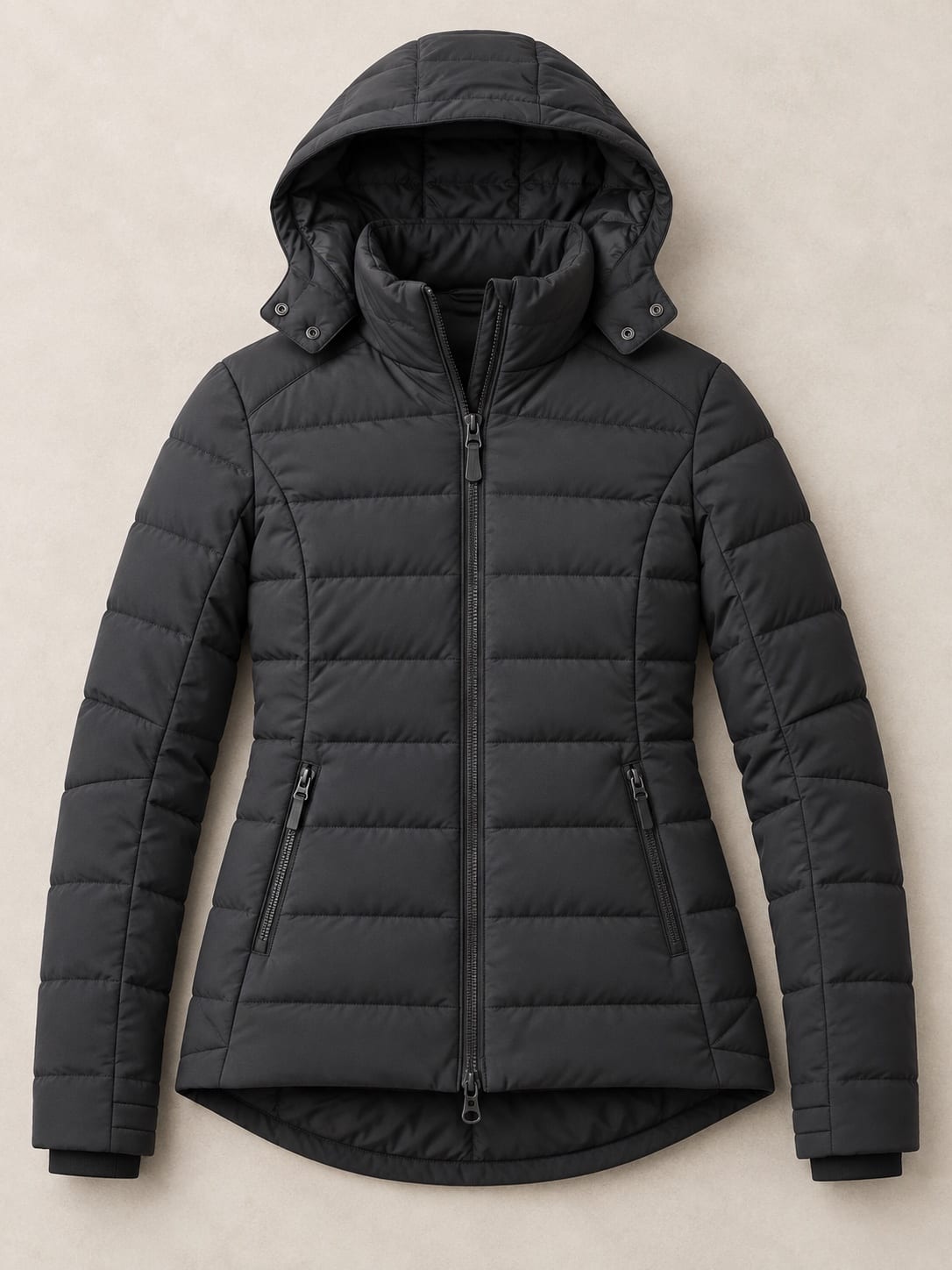
Stretch softshell riding jacket:
the private label buying guide.
Private label softshell riding jackets for equestrian brands: stretch fit, hem length, closures and evidence for weather claims. Request an OEM quote.
A development direction for your brand. Final material, construction and performance by specification and sample approval.START WITH
THE RIDER.
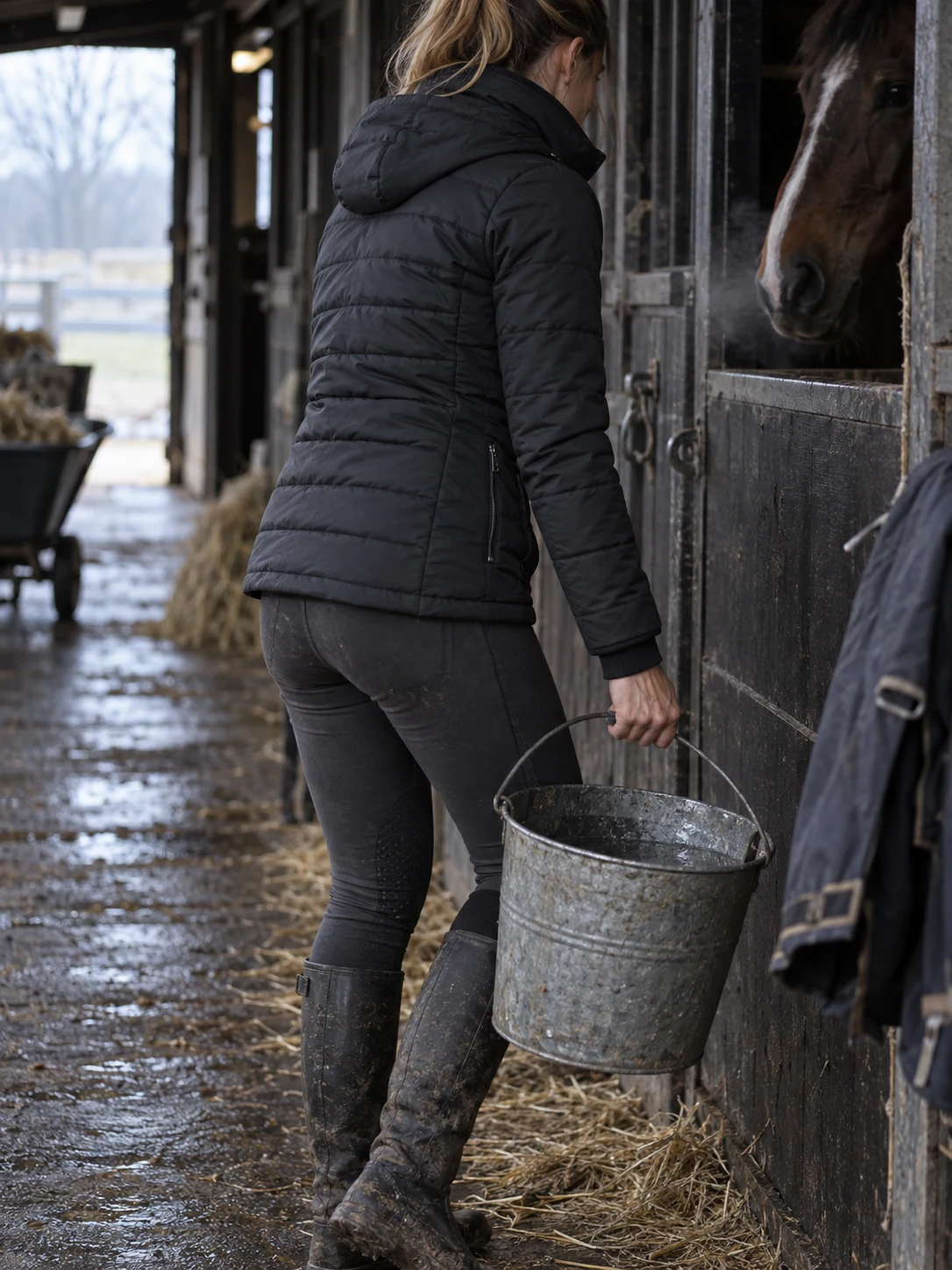
For equestrian brands, yard teams and clubs seeking a versatile fitted jacket for cool rides, training and stable work rather than a fully insulated winter coat.
Product development context
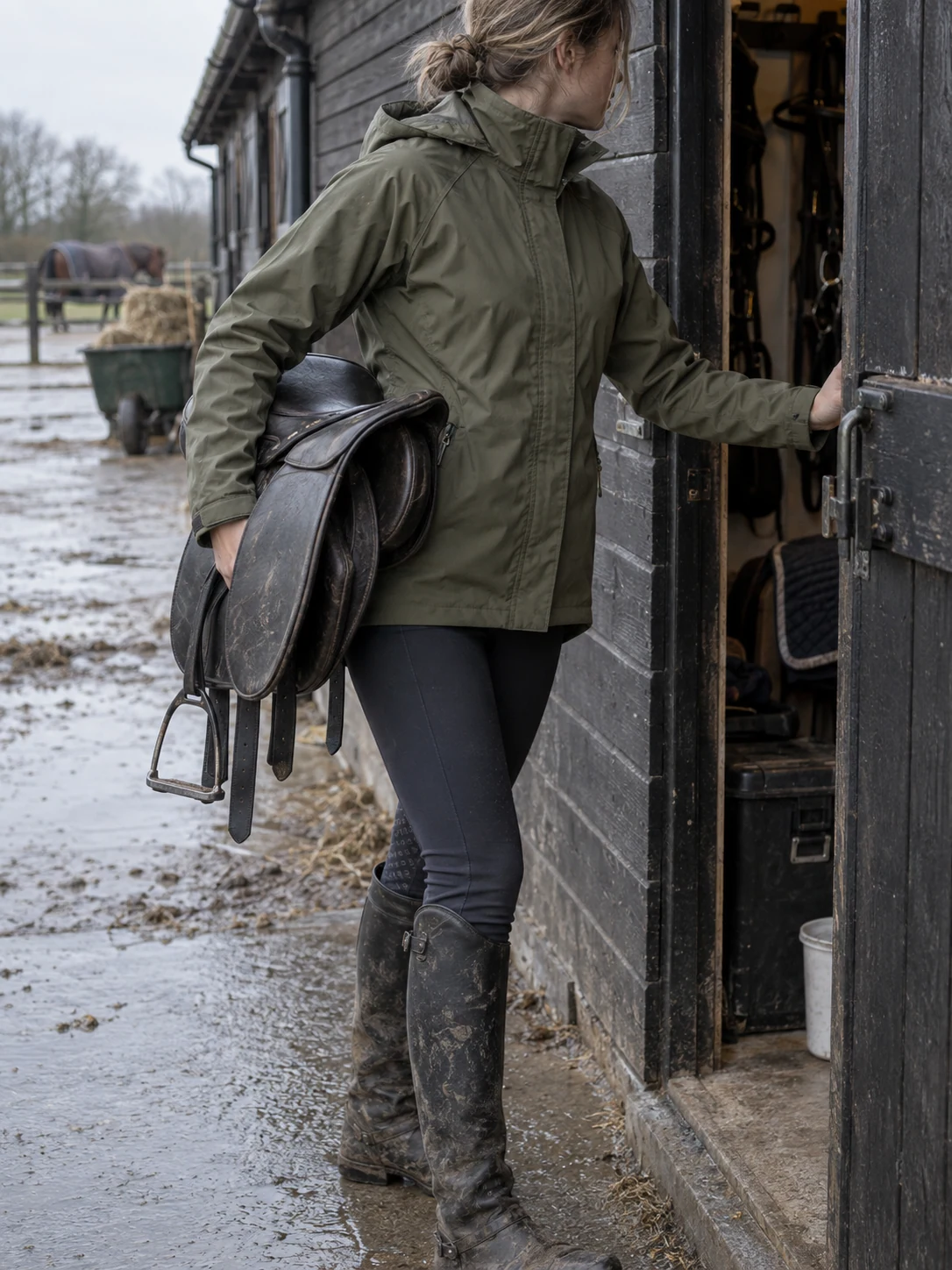
Softshell is a construction direction, not a fixed performance level. Bonded or brushed fabrics can combine stretch, wind moderation and light weather protection, but the actual results depend on material, seams, finishes and care. A riding version must also accommodate bent elbows, forward shoulders and a seated hip while keeping the hem and two-way zip clear of the saddle. Buyers should define weather scenario, layering, hood use and required evidence before choosing fabric. The sample should be tested mounted, outdoors and after care with every pocket loaded as intended.
Weather requirement
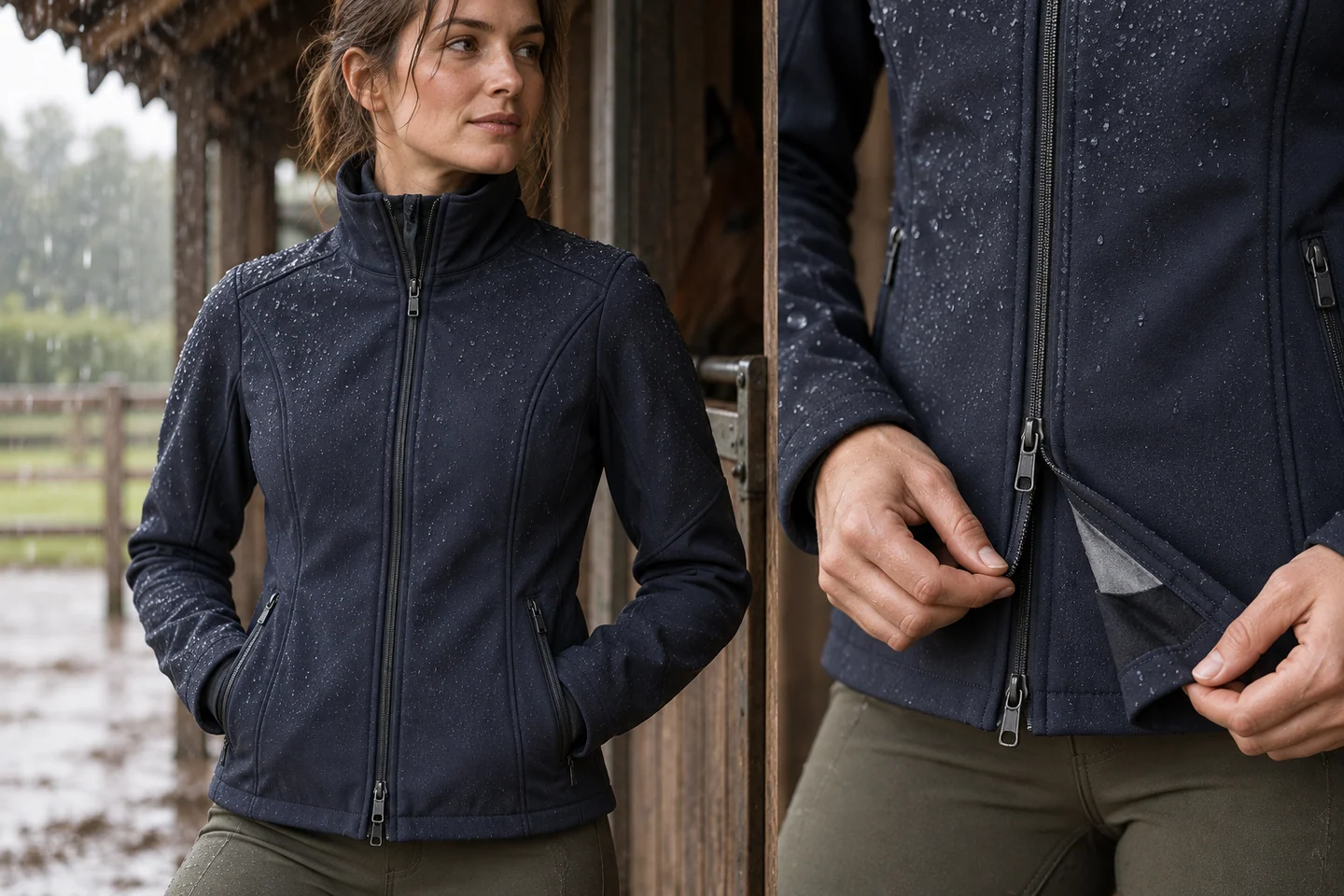
Distinguish wind resistance, water repellency, shower protection and waterproof construction in the brief. Set an intended condition and test approach for any claim, including whether seams or zips are covered, rather than using softshell as proof.
Riding articulation
Build sleeve pitch, elbow shape, shoulder ease and back length around rein position. Bonded fabrics can feel less forgiving than jersey even when stretchy, so assess forward reach over the thickest planned base layer.
Hem and zip control
The centre front should not stack against the pommel. Specify two-way operation, lower guard and side or back shaping as needed, then ride-test the actual length in representative saddles.
THE FABRIC
SETS THE FEEL.
Compare material directions against your rider, climate and care expectations. Request the actual fabric specification and evidence for any performance claim.
| Material direction | Why consider it | What to verify |
|---|---|---|
| Bonded stretch softshell | A woven outer bonded to a soft inner can provide structure, stretch and a comfortable cool-weather hand. Lamination and face finish determine actual behaviour. | Test production fabric for stretch, recovery, pilling, abrasion, dimensional change and agreed wind or water performance before claims. |
| Unlined stretch woven | A single-layer direction reduces bulk and can suit mild weather or high-output riding, with separate layers providing warmth. | Evaluate opacity, snagging, recovery, air permeability as relevant, water-repellent finish durability and complete-garment comfort. |
| Light mesh pocketing or lining | Breathable pocket bags or localized lining can reduce bulk and help internal finish without insulating the entire jacket. | Check snagging, seam slippage, colourfastness, object retention and whether open materials compromise the intended weather construction. |
These are sourcing comparisons, not a list of stocked or certified fabrics. Confirm composition, weight, finish, availability and testing with the material selected for your project.
 A CLOSER LOOK / DEVELOPMENT CONCEPT
IT’S IN
THE DETAILS.
Pre-shaped sleeves
Use riding-oriented sleeve pitch and elbow articulation so cuffs stay positioned while hands reach forward to the reins.
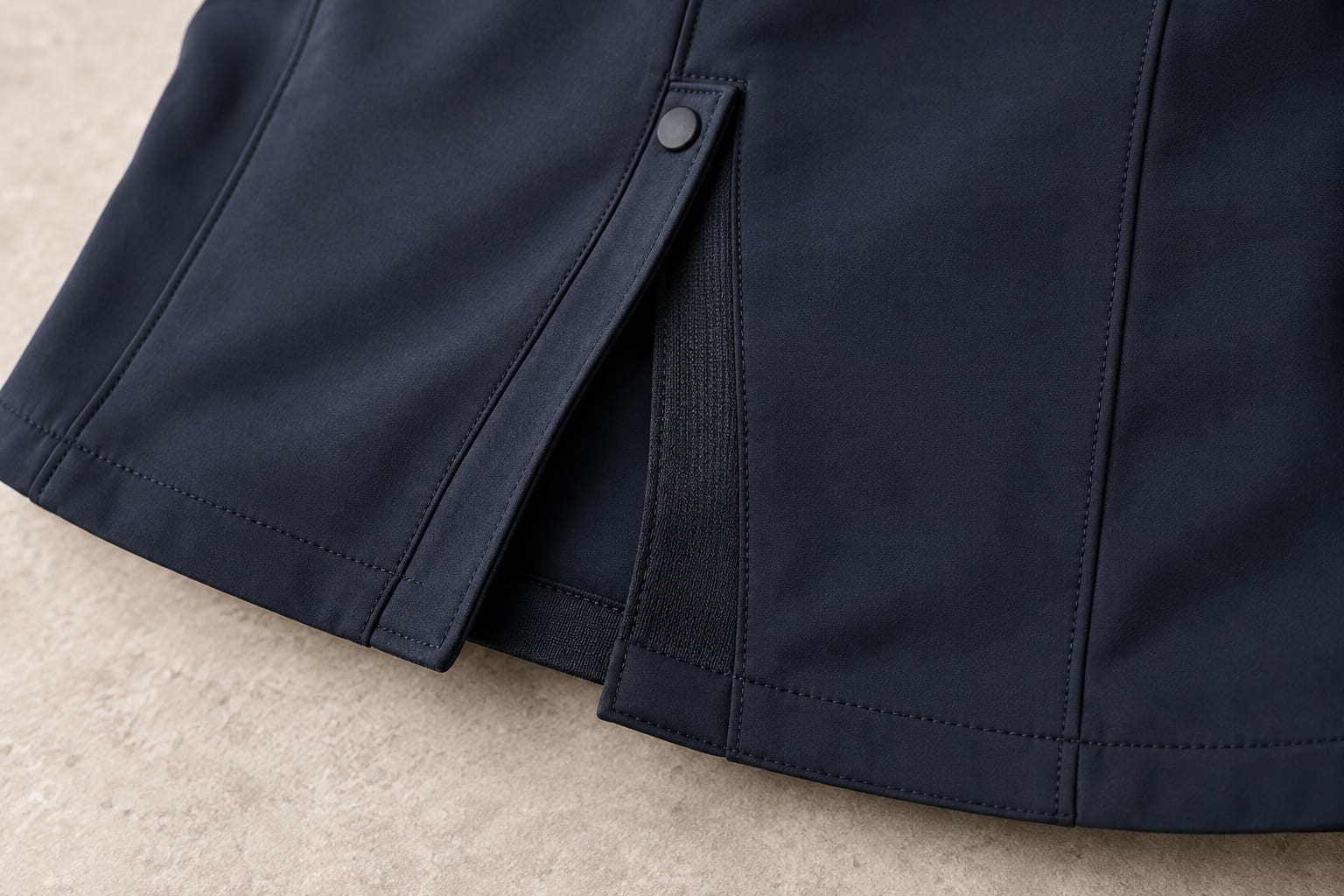
Mounted two-way zip
Set lower slider and guard to release hem tension while preventing hardware from marking saddle or base layers.
Adjustable weather edges
Design cuff, hem and hood adjustments for gloved use, securing loose cords away from tack and moving parts.
Vented pocket system
Keep storage accessible and stable, balancing zip protection with bulk, airflow and the specific weather target.
FROM THE BRIEF.
INTO THE WORKROOM.
Layers, movement and hardware belong in one development conversation. Resolve them on the sample before bulk.
Explore our factory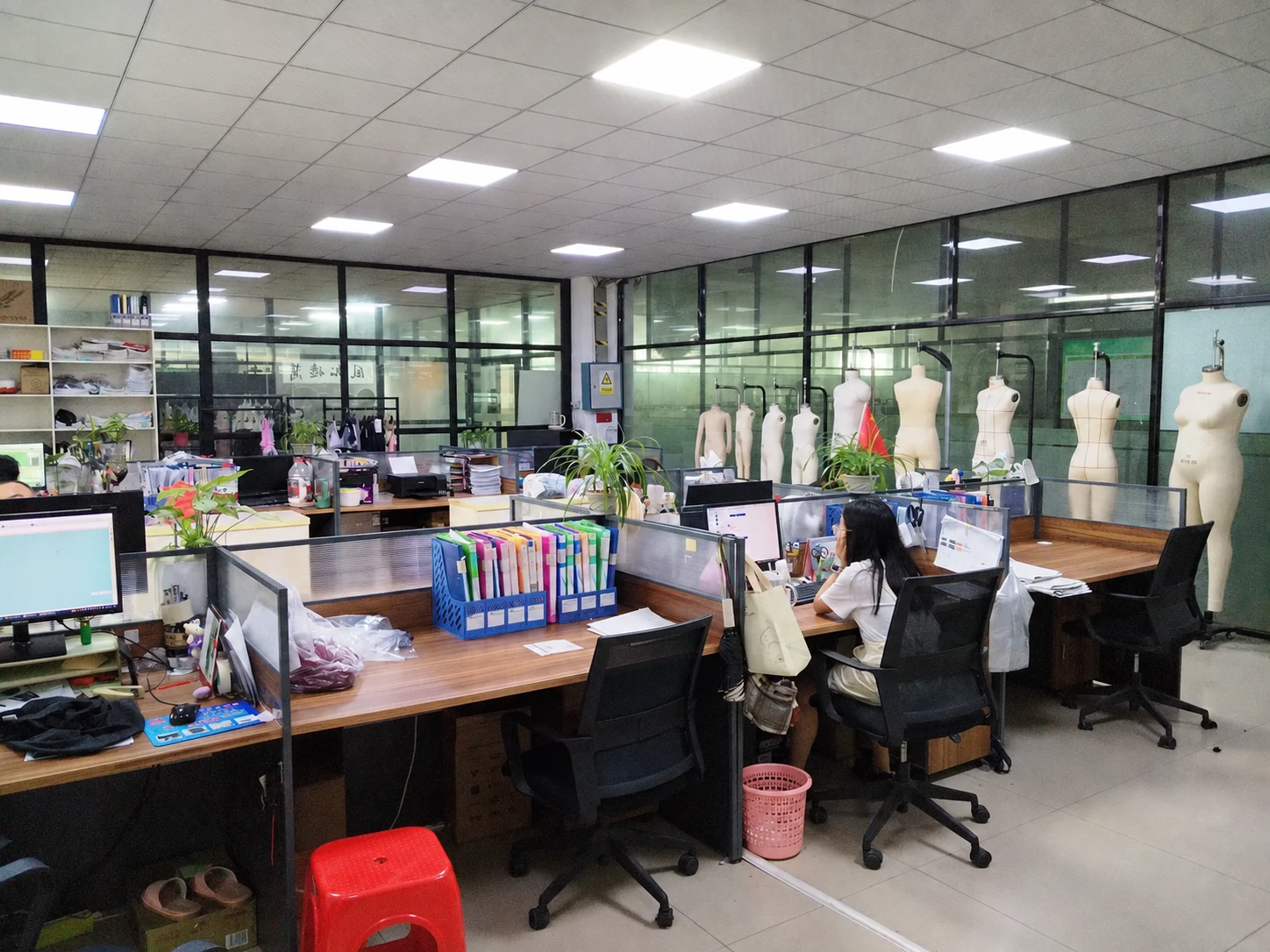
Pre-shaped sleeves
Use riding-oriented sleeve pitch and elbow articulation so cuffs stay positioned while hands reach forward to the reins.
Carry this into approval Factory views show our working environment. Your garment follows its agreed specification and sample.GET THE
RIGHT FIT.
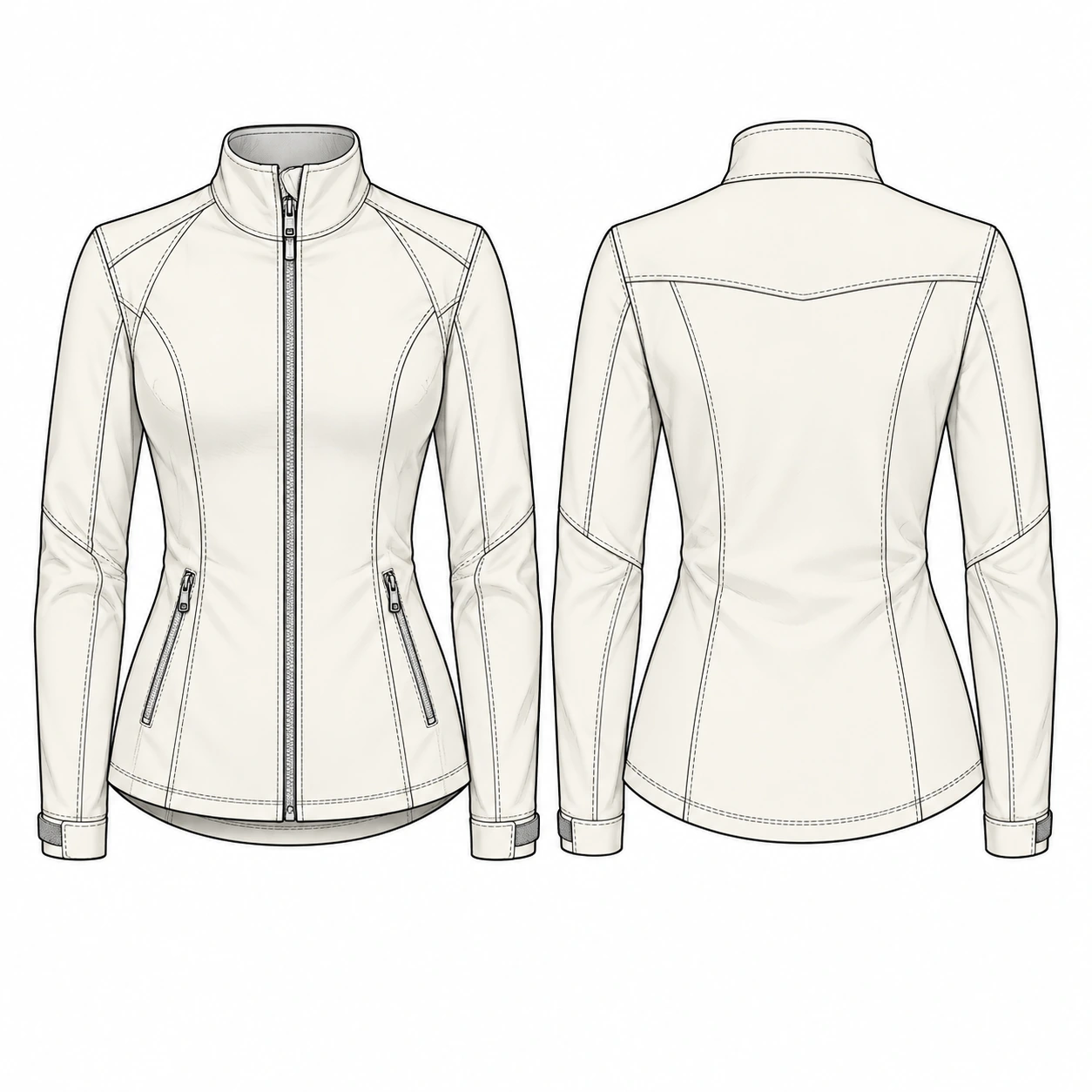
- AChest
- BShoulder span
- CSleeve length
- DBack length
A size label is only the beginning. Agree the measurement method, review the garment in use and keep the approved fit record with your specification.
Your fit-session checklist
Record the size worn, body measurements, intended underlayers and every proposed correction with the dated sample.
Note the size worn, body measurements, intended underlayers and each proposed correction. Recheck the affected measurement after a revision; confirm the size breakdown for each style and colour before bulk.
MAKE IT
RECOGNISABLY YOURS.
Use the product’s construction to guide decoration and finishing. Ask for placement, colour and material approval on the relevant sample.
Small details.
One identity.
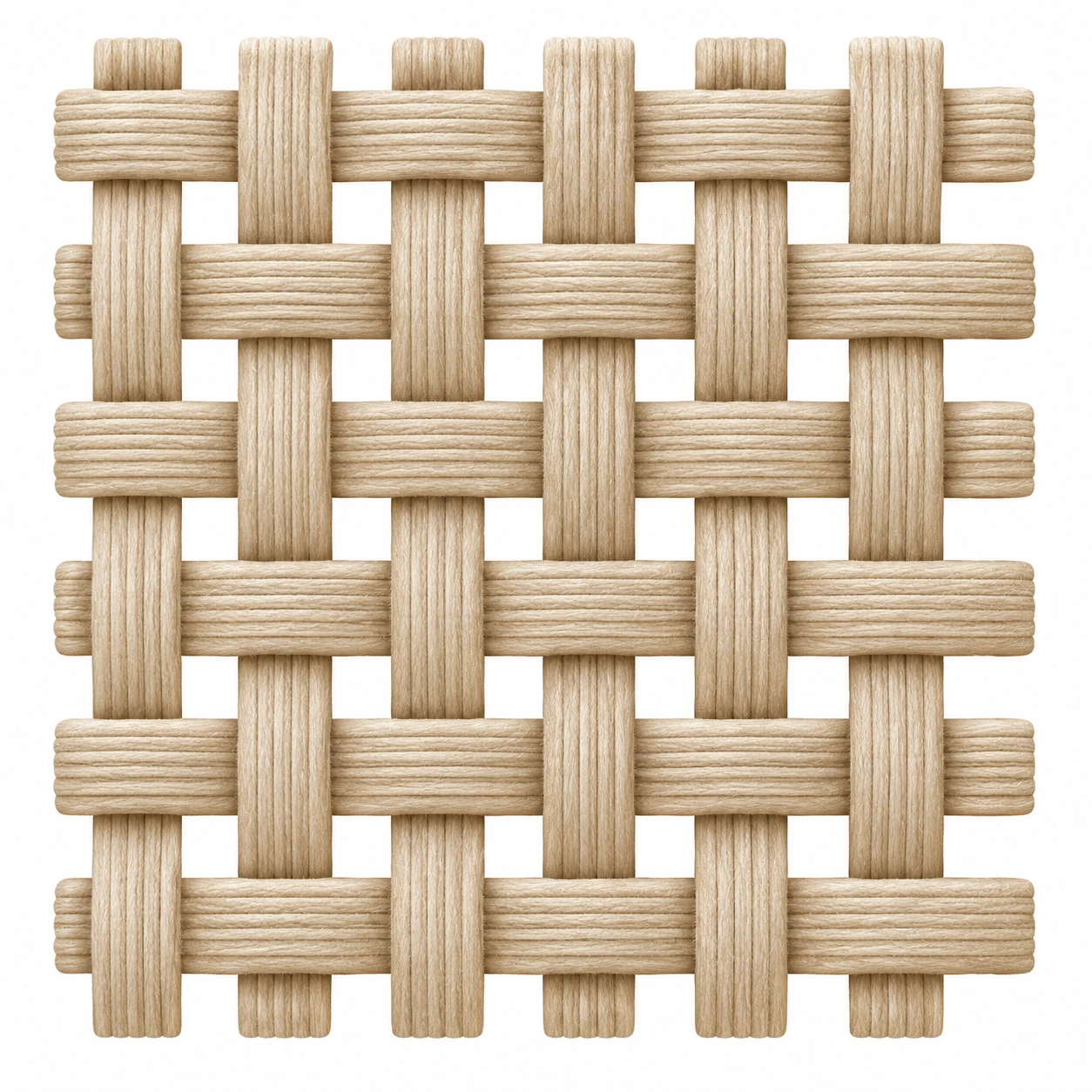
Folded edges · fine weave
Textured stock · cord attachment
Raised edge · stitched placement
Material mockups with a live wordmark study. Print, weave, colour matching and placement are confirmed on your physical sample.
Panel shaping
Use side and back panels to control silhouette and movement, preserving stable decoration areas and minimizing seams in direct weather exposure.
Hood format
Choose fixed, detachable or stowable hood with secure adjustment, helmet relationship and collar bulk documented in the sample brief.
Team logo zones
Place embroidery or transfers away from high-stretch panels and weather-critical seams, approving any puncture or puckering effect physically.
Reflective direction
Add low-light details with defined decorative or performance intent; support visibility claims only through appropriate evidence for the final placement.
APPROVE THE DETAIL.
THEN THE ORDER.
The first sample helps you make decisions. Define review conditions and acceptance criteria before you compare the result.
Review the stretch softshell riding jacket sample
Sampling takes 7–10 working days from the agreed start. Record each decision against the dated sample before bulk approval.
Rider, material direction, measurements and artwork.
DEFINE THE STARTTurn the agreed direction into a garment to review.
7–10 WORKING DAYSReview fit, finish and changes. Confirm the final specification.
REVISE IF NEEDEDProceed with agreed quantities, colours, labels and packing.
30–45 WORKING DAYSA shared development direction
Bring reference garments, your rider profile, target colours and any artwork. We turn these into the measurements, materials and construction questions that the sample needs to resolve.
Sample feedback can return to development. Revisions and transit are planned separately; timing begins from the agreed specification and start date.

KEEP THE APPROVAL.
WITH THE ORDER.
One agreed reference for the workroom: the dated sample, its specification and your confirmed order breakdown.
Sample decisions
- Mounted mobility
Ride over the thickest intended layer, checking cuff migration, shoulder pull, hem stacking, collar pressure and back coverage.
- Weather construction
Use the agreed test or controlled exposure for face, seams and zips, documenting where water or air enters without broad assumptions.
- Hood security
Test stowed, detached and worn configurations as applicable, checking drawcord containment, peripheral movement, helmet interaction and collar bulk.
Style, colour & size allocation
Confirm each style and colour separately, with the size allocation attached. The minimum is 100 pieces per style, per colour.
Labels, packing & timing
Agree label artwork, packing instructions and the production start. Bulk production takes 30–45 working days from the confirmed start; revisions and transit are planned separately.
A CLEARER BRIEF.
A MORE USEFUL QUOTE.
Price follows an agreed product, quantity and delivery scope. Use these inputs to compare proposals on the same basis.
Softshell specification
Bonding, membrane or finish, stretch, custom colour and performance evidence influence material cost.
Two-way weather zip
Coated tape, quality sliders, custom pullers, guards and garages add trim expense.
Articulated pattern
Shaped sleeves and multi-panel torso increase pieces, cutting, seam length and fit work.
Hood system
Detachable or stowable hoods add components, reinforcement, adjusters and assembly operations.
Bring these six things
Planning baseline: 100 pieces minimum per style, per colour. Sampling takes 7–10 working days; bulk production takes 30–45 working days from the agreed start.
100 pieces minimum per style, per colour. State each colour quantity separately; confirm your proposed size allocation.
GOOD QUESTIONS.
BETTER DECISIONS.
Product-specific sourcing questions to resolve before sampling.
No. Softshell describes a broad fabric or garment family, not one verified rating. Water repellency, shower protection or waterproof performance depends on the actual face, membrane, seams, zips and test method. Specify and substantiate the intended claim.
Riders hold the arms forward with bent elbows. A sleeve built only for relaxed standing can pull cuffs upward, tighten across the back and lift the hem. Articulation and mounted fitting distribute that movement more comfortably.
Needle holes and backing alter the decorated area, especially on coated or laminated shells. If weather resistance matters, place logos strategically and evaluate the exact embroidery on the final panel construction before making a whole-jacket claim.