 REINFORM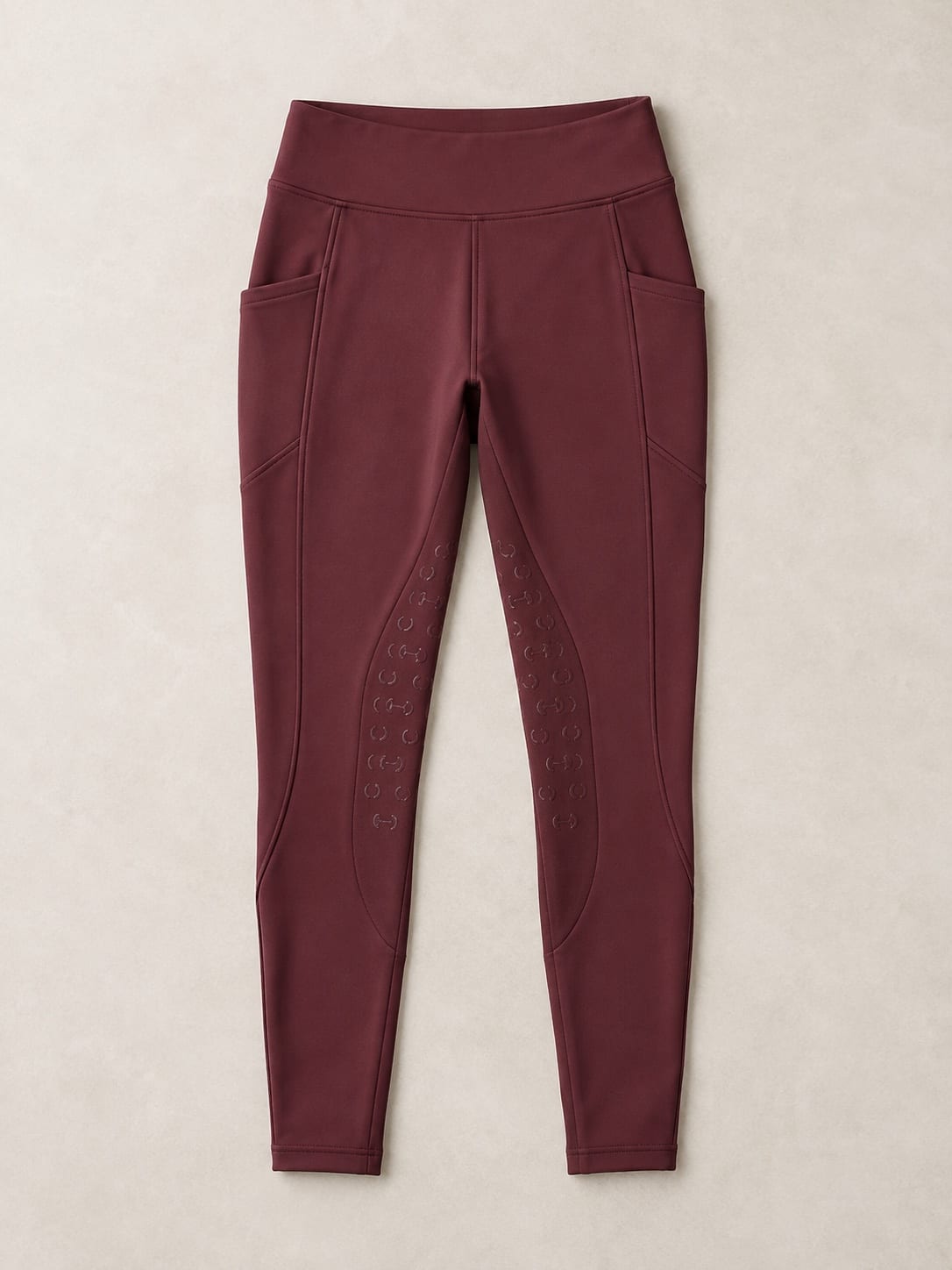
Make Everyday Lessons Easier
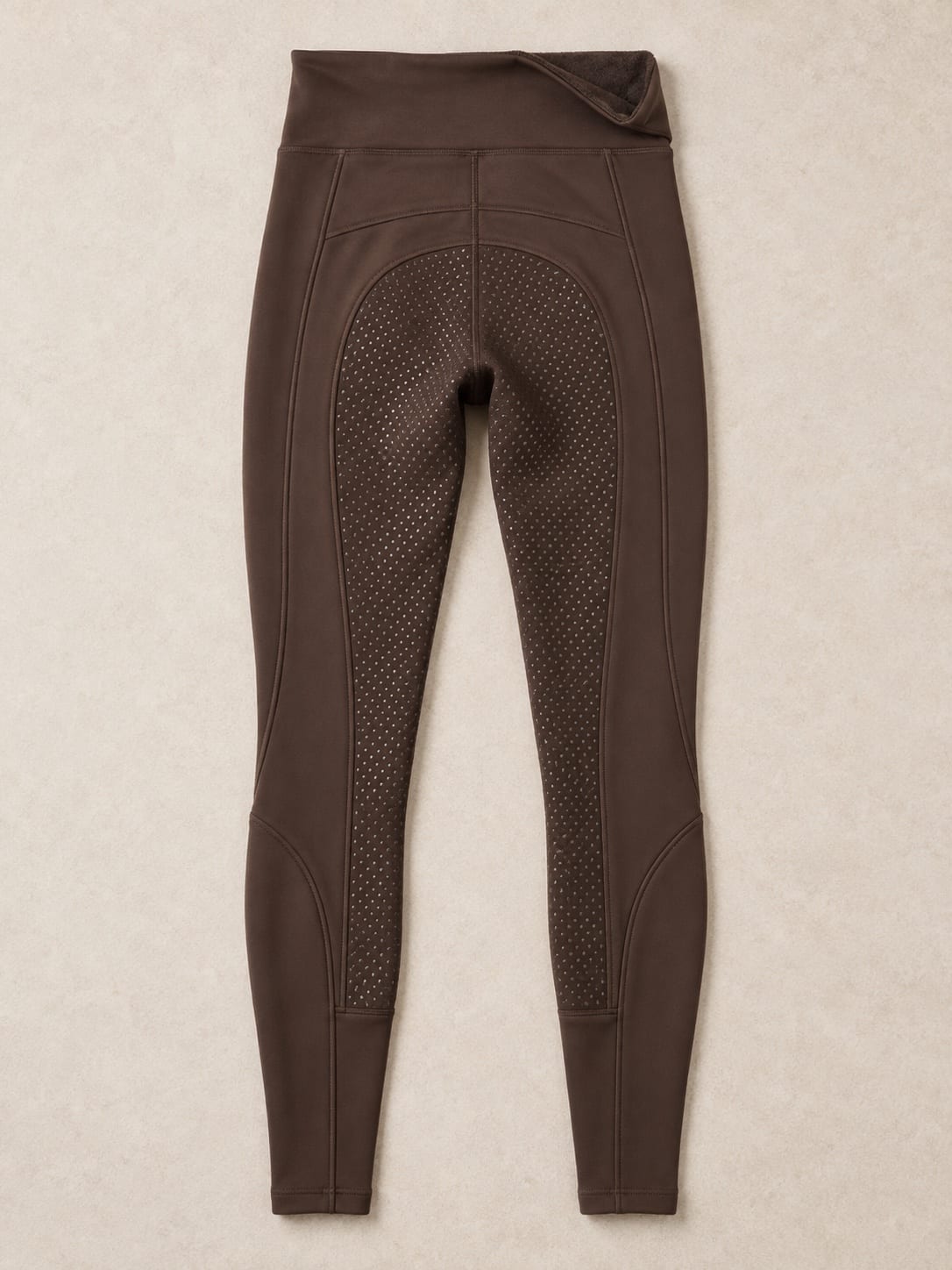
Youth training riding tights:
the private label buying guide.
Private label youth training riding tights for equestrian brands: youth proportions, waist fit, pocket sizing and production sample checks. Request an OEM quote.
A development direction for your brand. Final material, construction and performance by specification and sample approval.START WITH
THE RIDER.
For junior equestrian brands, riding-school uniforms, pony-club programmes and family retailers wanting an approachable pull-on alternative to structured youth breeches.
Product development context
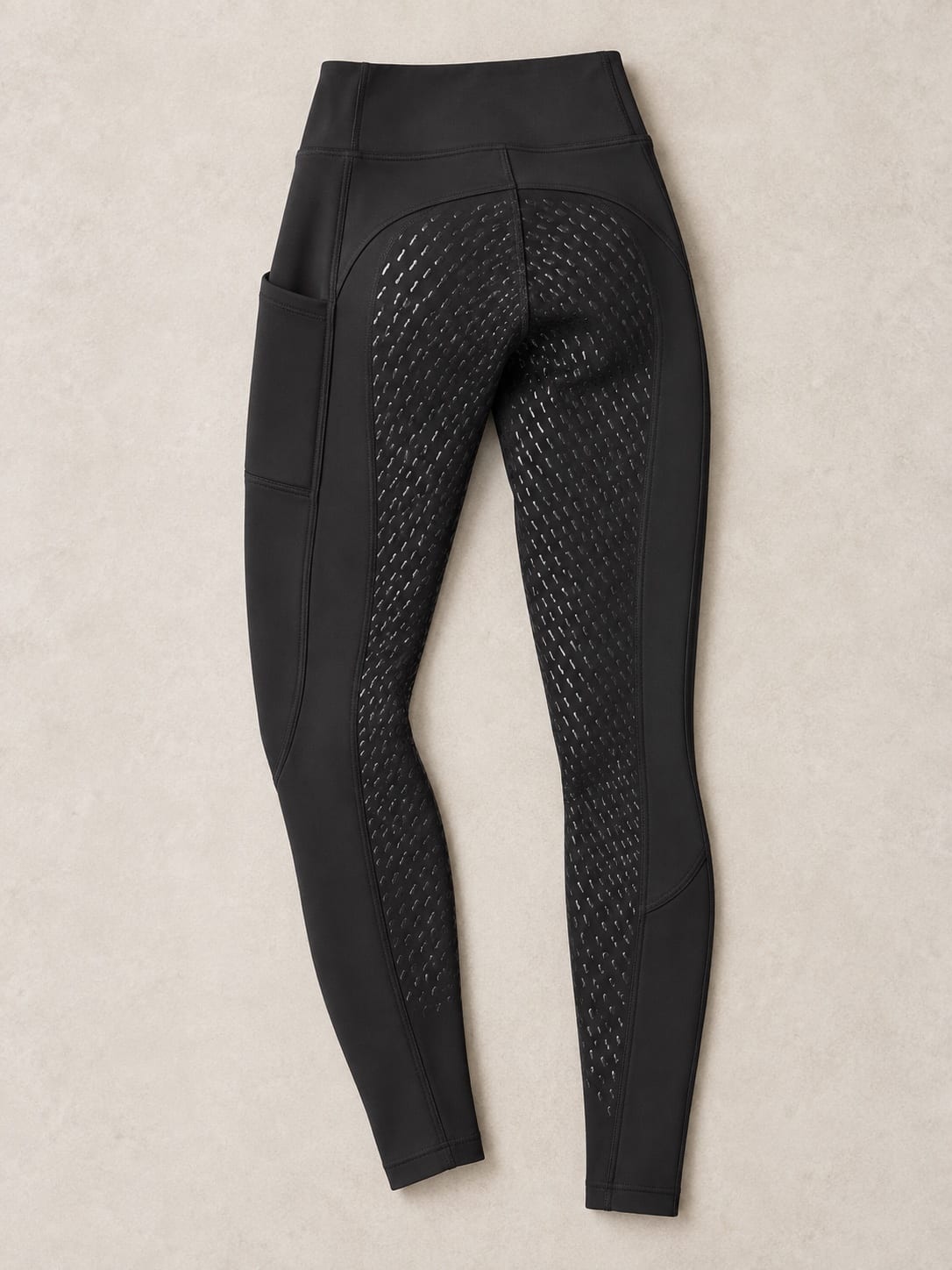
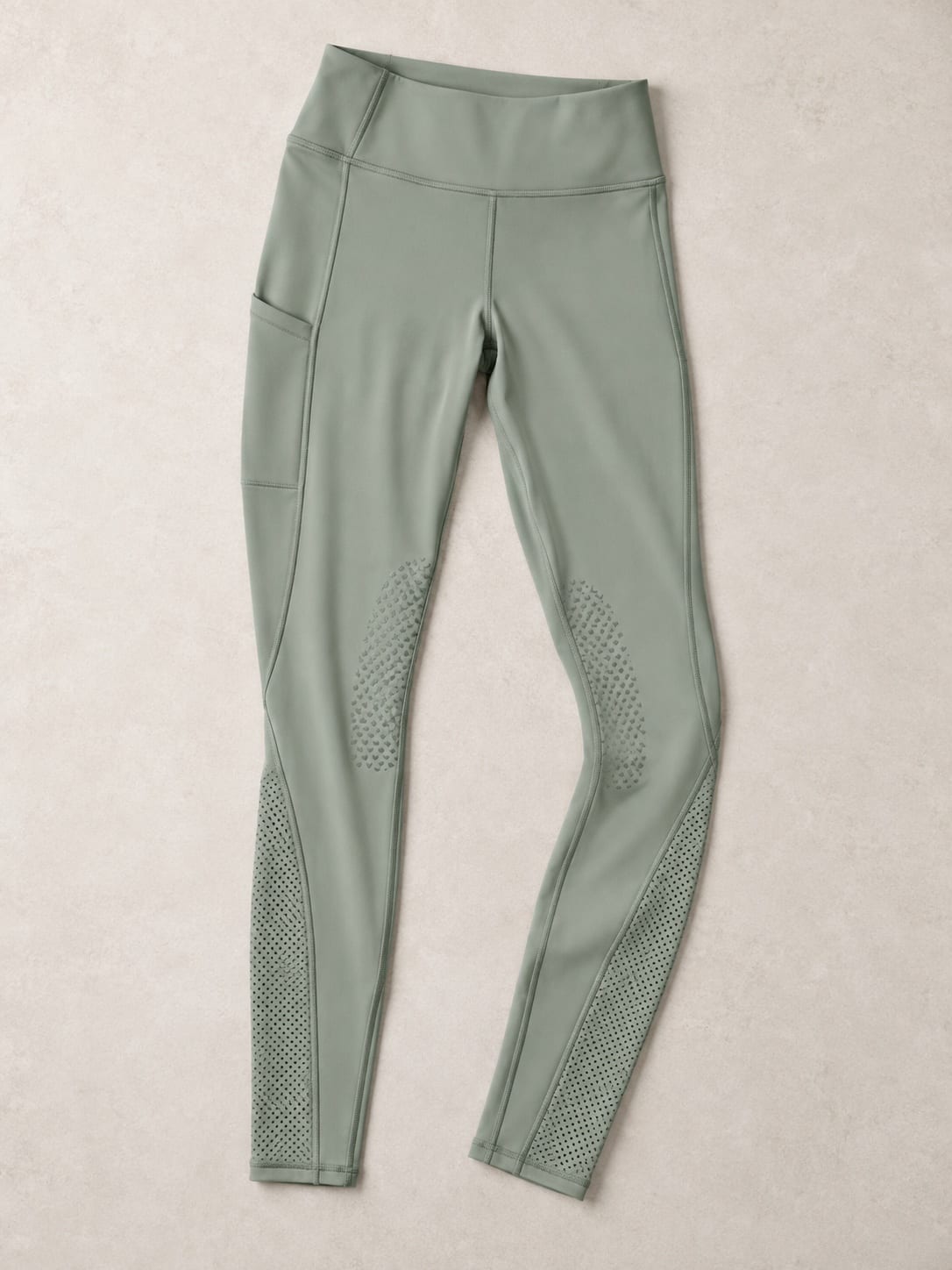
Youth training tights should help a child dress independently, move confidently and focus on the lesson. The waist must stay secure without a complicated fly, knee or full-seat grip must align with smaller proportions, and phone pockets should not become oversized bags on a short thigh. Buyers need a specific age or height range, target body data and an intended lesson environment before sampling. A durable, easy-care direction matters for parents and riding schools, but every care or performance statement still needs support from the actual complete garment.
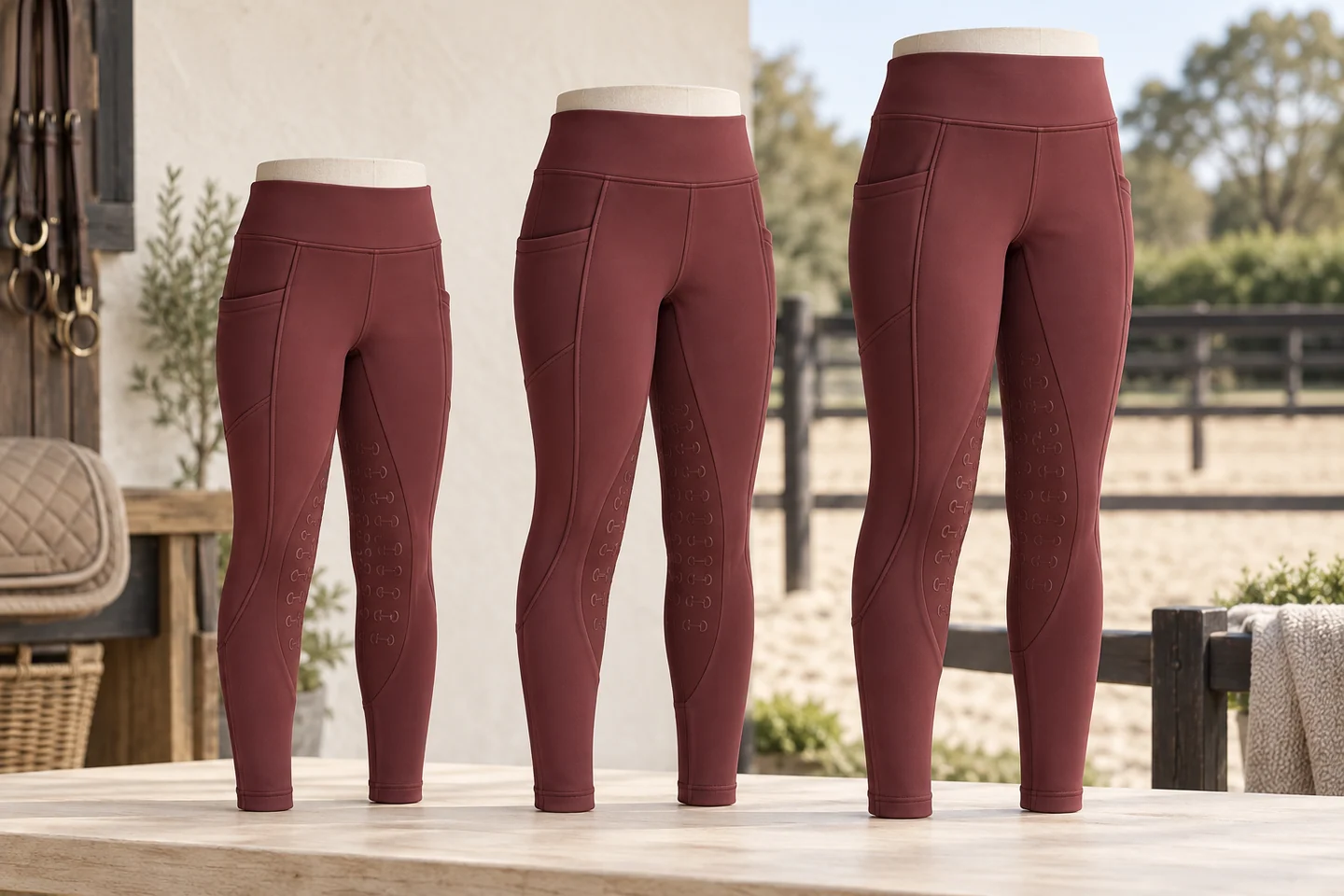
Child-specific proportions
Develop rise, seat, thigh, knee and inseam from selected youth data rather than reducing an adult block. Fit at more than one point in the range because children of the same labelled age can vary widely in height and build.
Simple secure dressing
The waistband must extend enough to pull over the seat and recover without constant adjustment. Avoid hard or exposed components, and let target-age riders put on, remove and use pockets during sample review.
School-care reality
Define expected wash frequency, drying route and name-label need. Evaluate fabric, grip, elastic, transfers and labels together after repeat care so a low-maintenance story is based on the approved construction rather than a generic fibre assumption.
THE FABRIC
SETS THE FEEL.
Compare material directions against your rider, climate and care expectations. Request the actual fabric specification and evidence for any performance claim.
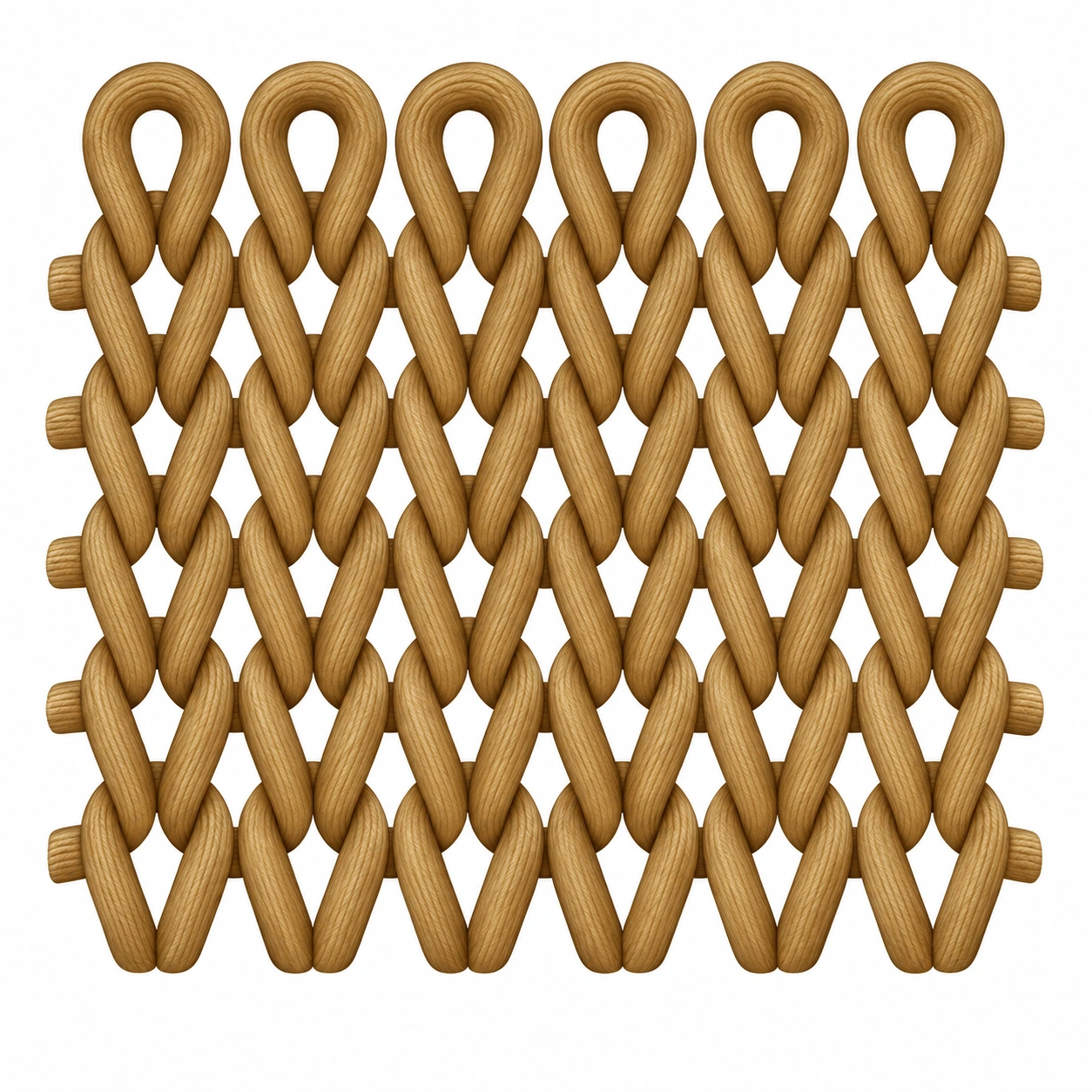
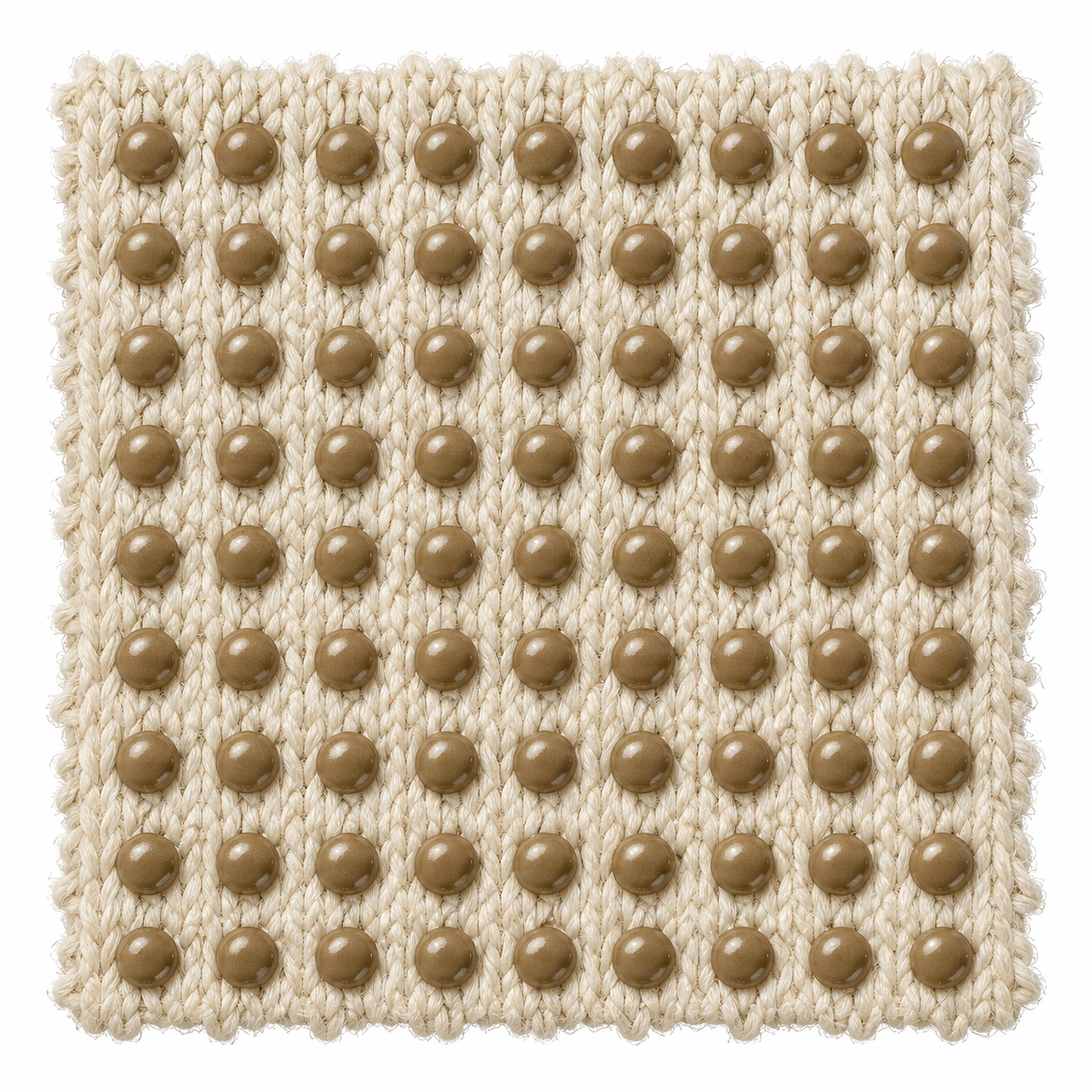
| Material direction | Why consider it | What to verify |
|---|---|---|
| Durable stretch knit | A dense knit can support pull-on comfort and repeated lesson movement while retaining coverage. Hand and compression should be appropriate for children, not selected solely for an adult sculpting effect. | Test actual colours for stretch, recovery, pilling, abrasion, dimensional change, colourfastness and opacity through the intended care route. |
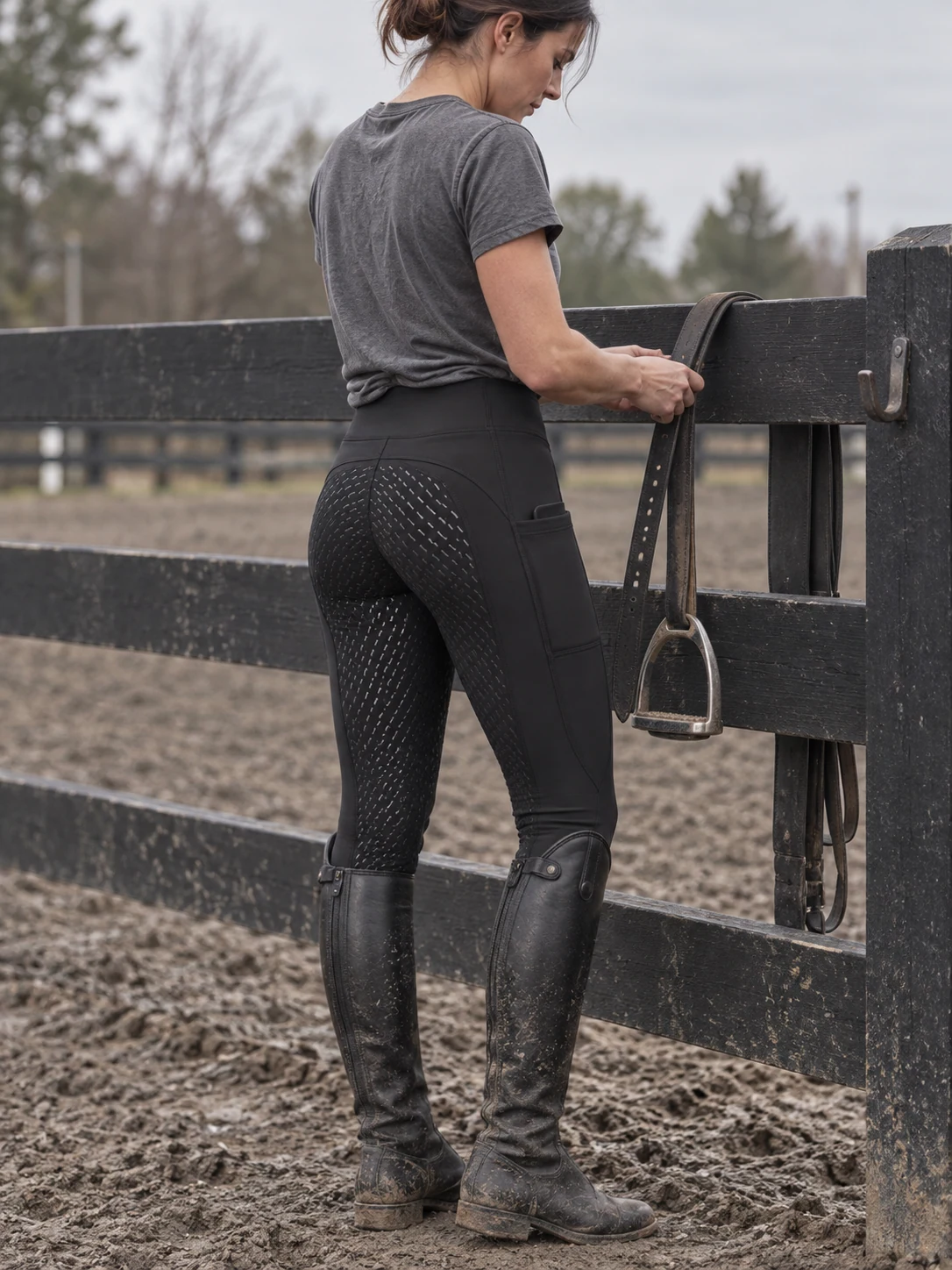
| Flexible youth grip | Knee or seat print should flex with smaller legs and offer the target level of contact without a stiff coated feel. | Approve strike-offs, grade placement from youth landmarks, ride-test on sampled sizes and inspect adhesion, cracking and colour change after care. |
| Soft waistband layers | Self-fabric or compatible elastic support should provide recovery with smooth edges and no exposed hard points against the child’s skin. | Cycle extension, inspect seam bulk, wear under tucked and untucked tops, then remeasure after repeated laundering before approving construction. |
These are sourcing comparisons, not a list of stocked or certified fabrics. Confirm composition, weight, finish, availability and testing with the material selected for your project.
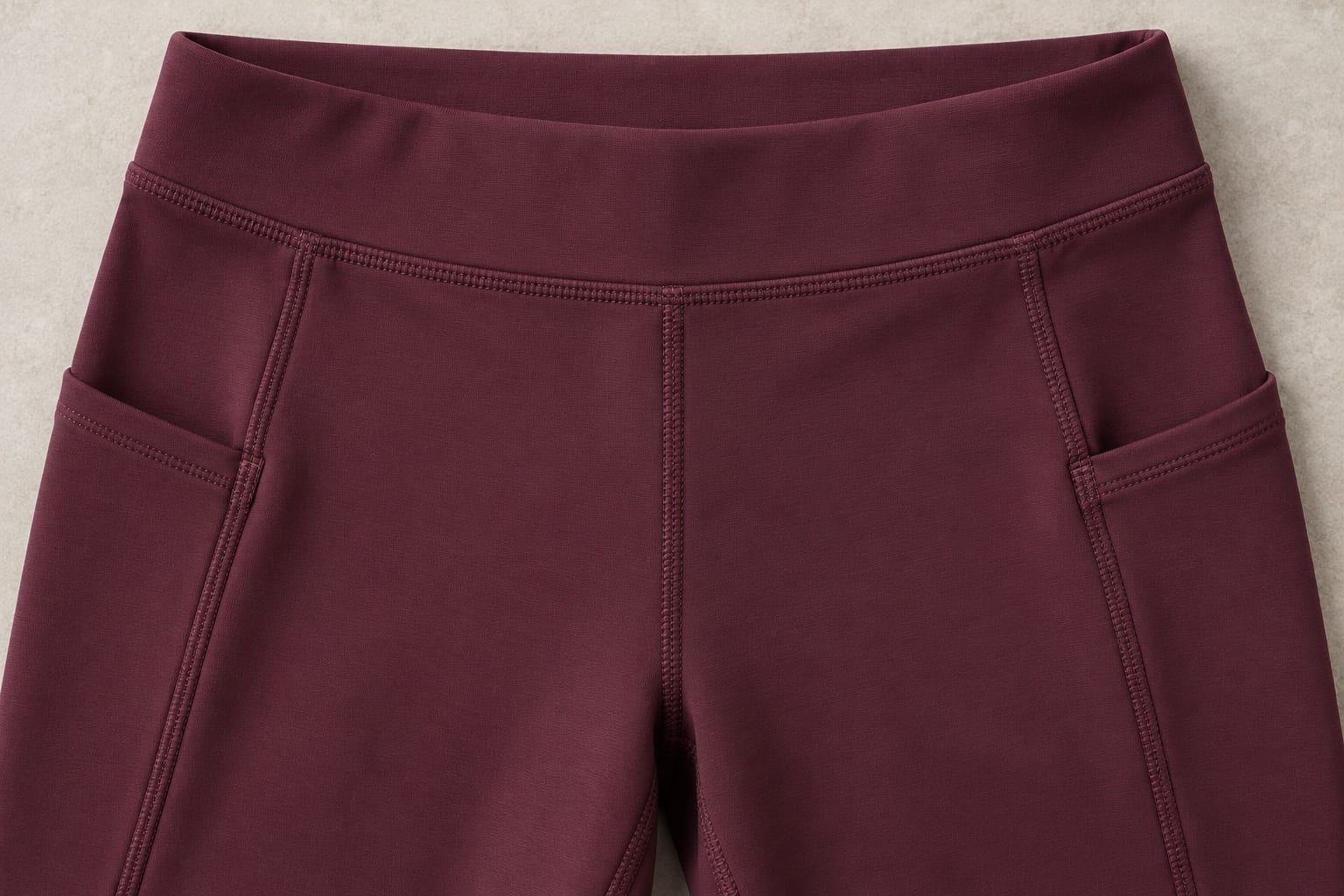 A CLOSER LOOK / DEVELOPMENT CONCEPT
IT’S IN
THE DETAILS.
Pull-on waist
Balance extension for dressing with recovery in use, and keep internal elastic or support fully captured and smooth.
Youth-scale gusset
Shape the gusset for seated movement without an adult-sized seam intersection or excess fabric through the inner leg.
Proportional pockets
Size pocket depth and opening to the target thigh, anchoring bags so contents cannot swing or pull the leg.
Protected labels
Place main, size, care and optional name labels where they remain legible without scratching during long lessons.
FROM THE BRIEF.
INTO THE WORKROOM.
Fit and stretch have to work together. Use the chosen knit to resolve the waistband, seam route and contact areas.
Explore our factory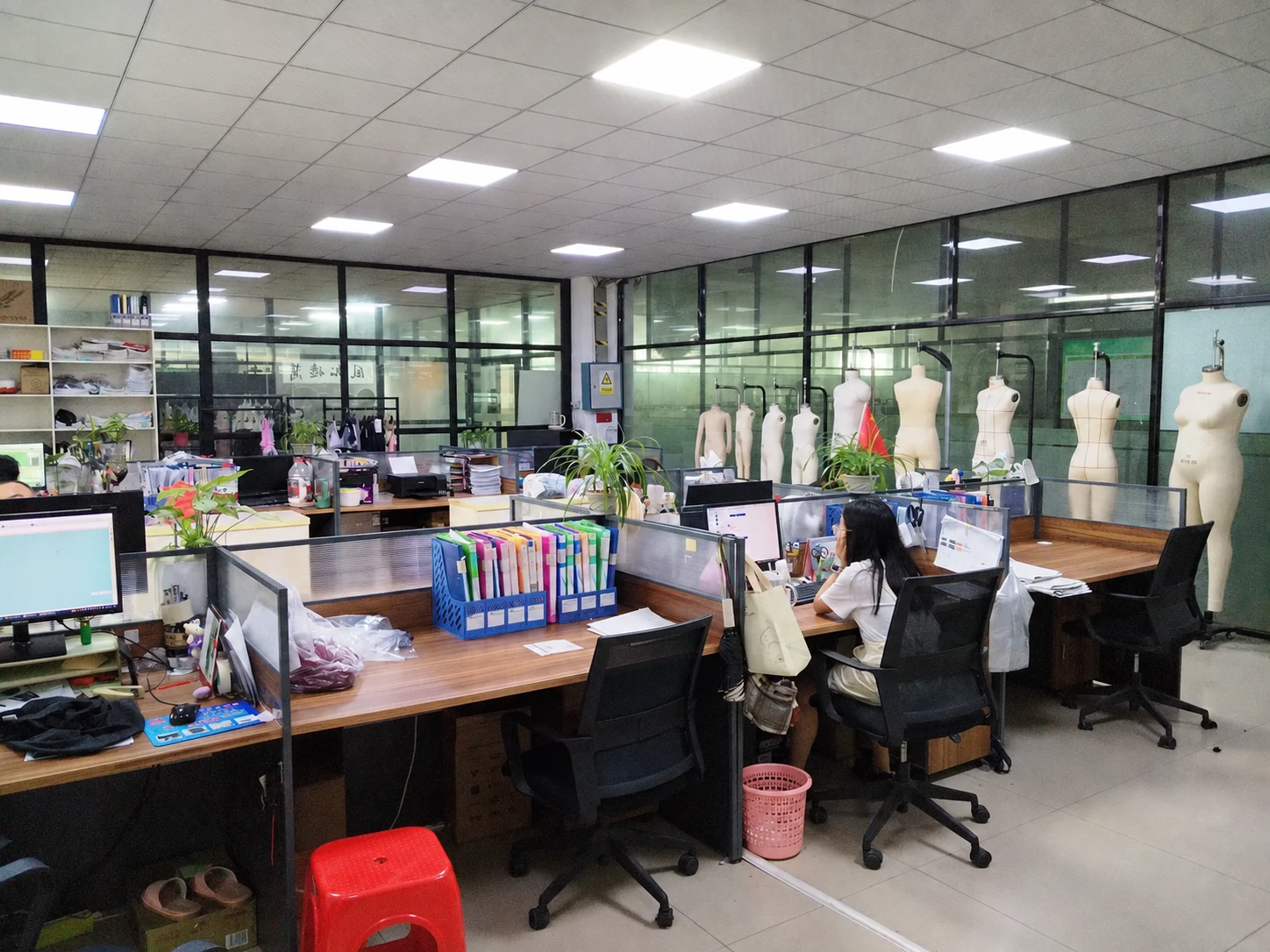
Pull-on waist
Balance extension for dressing with recovery in use, and keep internal elastic or support fully captured and smooth.
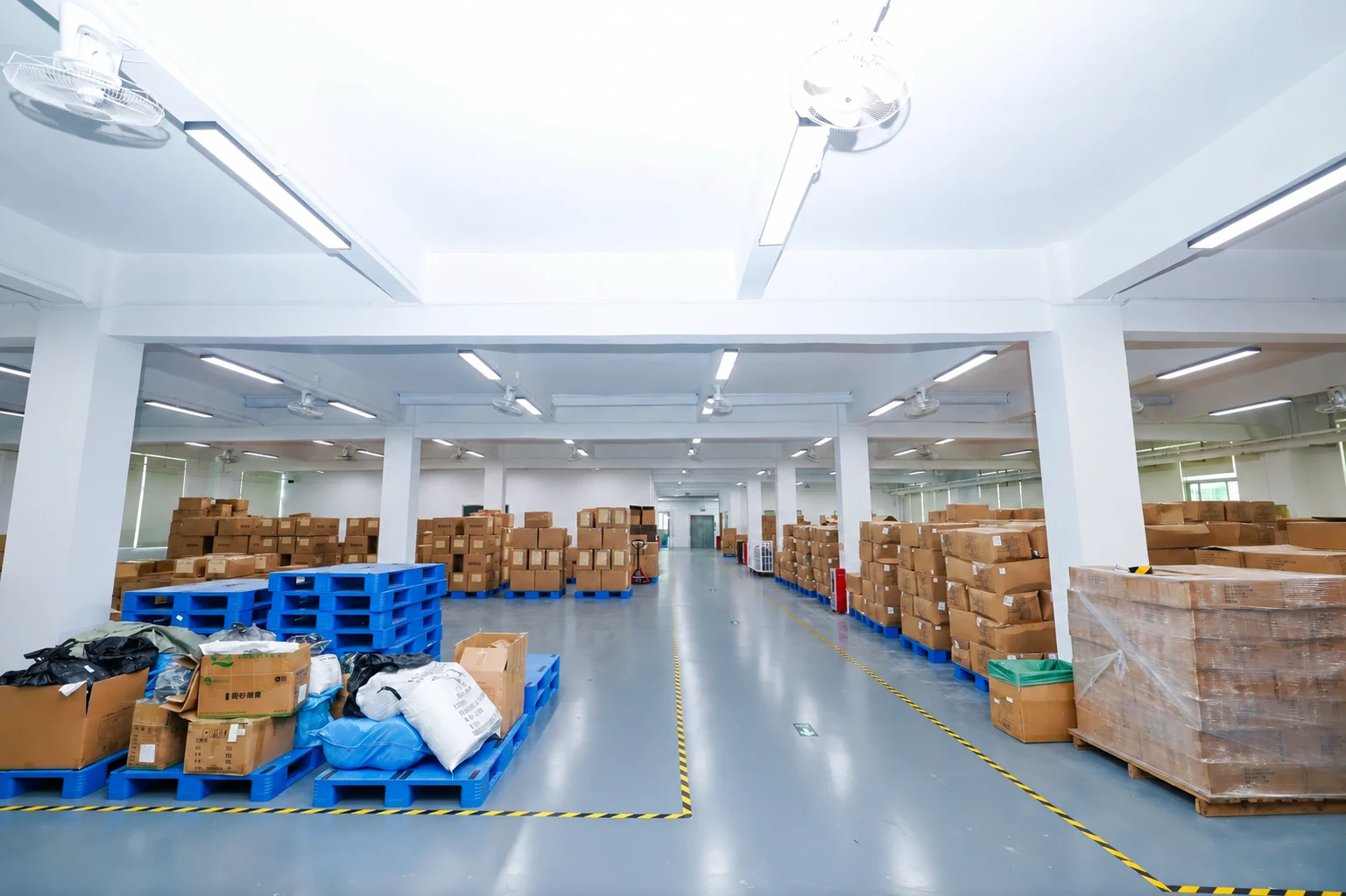
Carry this into approval Factory views show our working environment. Your garment follows its agreed specification and sample.GET THE
RIGHT FIT.

- AWaist
- BHip
- CRise
- DInseam
A size label is only the beginning. Agree the measurement method, review the garment in use and keep the approved fit record with your specification.
Your fit-session checklist
Record the size worn, body measurements, intended underlayers and every proposed correction with the dated sample.
Note the size worn, body measurements, intended underlayers and each proposed correction. Recheck the affected measurement after a revision; confirm the size breakdown for each style and colour before bulk.
MAKE IT
RECOGNISABLY YOURS.
Use the product’s construction to guide decoration and finishing. Ask for placement, colour and material approval on the relevant sample.
Small details.
One identity.
Folded edges · fine weave
Textured stock · cord attachment
Raised edge · stitched placement
Material mockups with a live wordmark study. Print, weave, colour matching and placement are confirmed on your physical sample.
Youth grip options
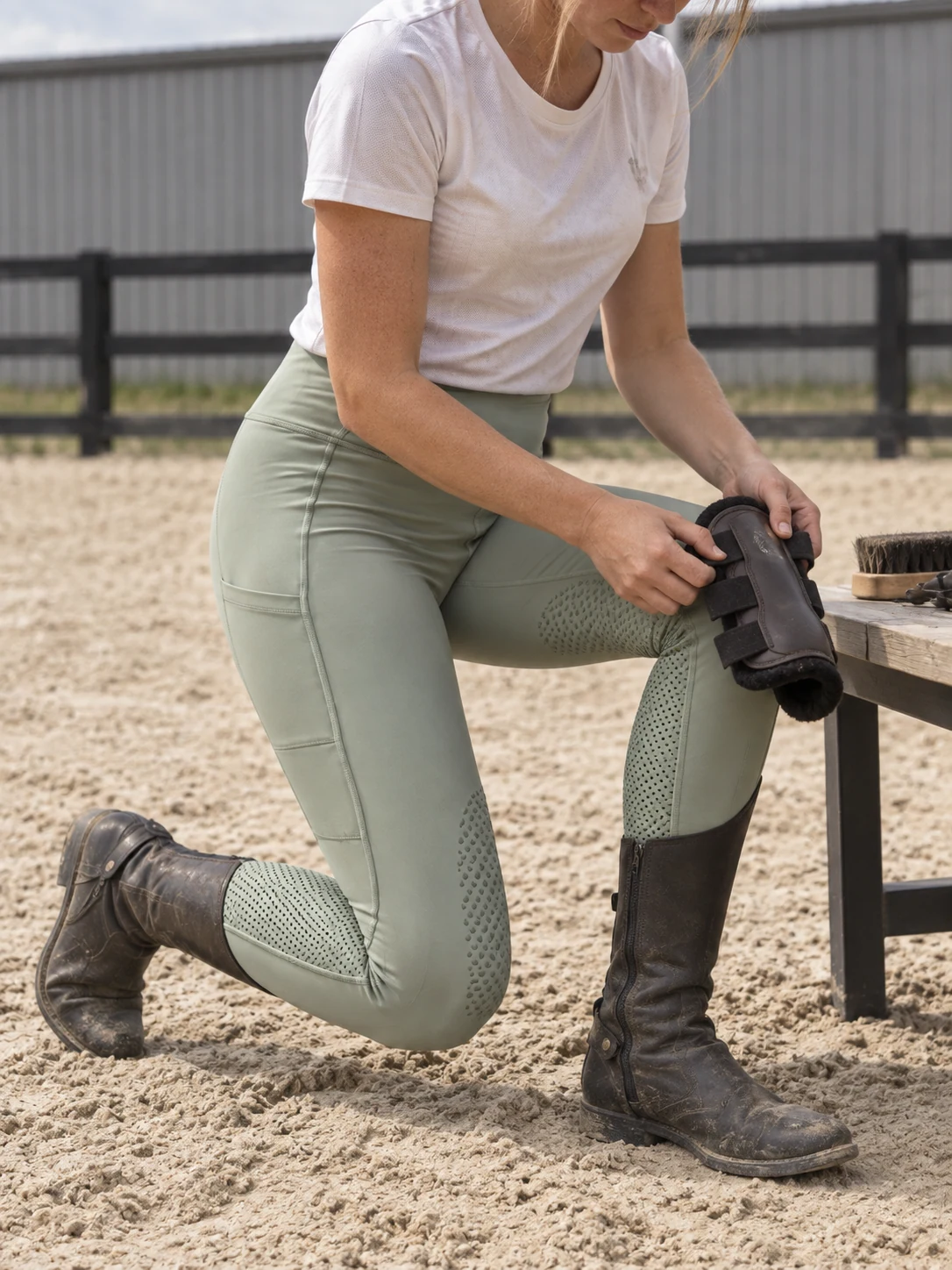
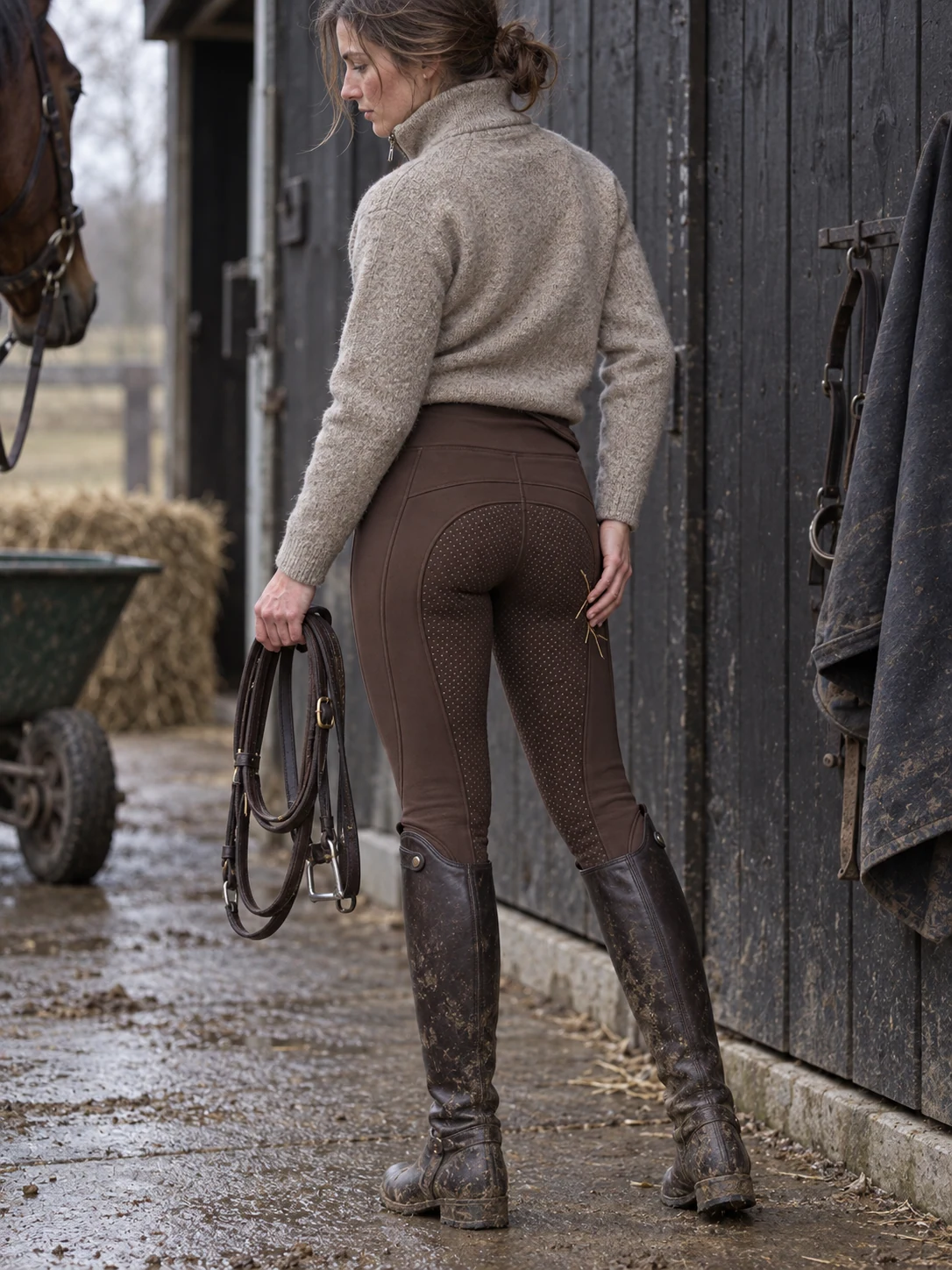
Choose knee or full-seat coverage according to lesson style and rider preference, with size-specific maps and a physical approval of contact feel.
Team identity
Use club colours, small logos or name-label space while keeping decoration away from seat, inner leg and high-stretch waistband zones.
Pocket choice
Decide whether younger users need no pocket, one card or key pocket, or a phone pocket for older riders; grade each deliberately.
Consumer sizing
Present age or height labels with a clear measurement chart and fit guidance derived from the approved block and actual range.
APPROVE THE DETAIL.
THEN THE ORDER.
The first sample helps you make decisions. Define review conditions and acceptance criteria before you compare the result.
Review the youth training riding tights sample
Sampling takes 7–10 working days from the agreed start. Record each decision against the dated sample before bulk approval.
Rider, material direction, measurements and artwork.
DEFINE THE STARTTurn the agreed direction into a garment to review.
7–10 WORKING DAYSReview fit, finish and changes. Confirm the final specification.
REVISE IF NEEDEDProceed with agreed quantities, colours, labels and packing.
30–45 WORKING DAYSA shared development direction
Bring reference garments, your rider profile, target colours and any artwork. We turn these into the measurements, materials and construction questions that the sample needs to resolve.
Sample feedback can return to development. Revisions and transit are planned separately; timing begins from the agreed specification and start date.
KEEP THE APPROVAL.
WITH THE ORDER.
One agreed reference for the workroom: the dated sample, its specification and your confirmed order breakdown.
Sample decisions
- Independent dressing
Observe target-age riders putting on, removing and adjusting the sample, noting waistband force, twisting and any confusing pocket or label detail.
- Lesson movement
Check walk, trot, canter preparation, mounting and ground chores for slipping, restriction, seam discomfort and grip position.
- Range proportions
Fit a core and edge size, comparing knee, pocket, gusset, rise and ankle placement against the graded specification.
Style, colour & size allocation
Confirm each style and colour separately, with the size allocation attached. The minimum is 100 pieces per style, per colour.
Labels, packing & timing
Agree label artwork, packing instructions and the production start. Bulk production takes 30–45 working days from the confirmed start; revisions and transit are planned separately.
A CLEARER BRIEF.
A MORE USEFUL QUOTE.
Price follows an agreed product, quantity and delivery scope. Use these inputs to compare proposals on the same basis.
Youth grading range
Broad ages or height bands add pattern validation, fit samples and more commercial sizes.
Grip area
Full-seat coverage costs more print material and handling than a compact knee pattern.
Team marking
Multiple logos, names or roster-specific packing add artwork control and sorting time.
Pocket programme
Zips, two-sided storage or size-specific pocket patterns increase components and sewing work.
Bring these six things
Planning baseline: 100 pieces minimum per style, per colour. Sampling takes 7–10 working days; bulk production takes 30–45 working days from the agreed start.
100 pieces minimum per style, per colour. State each colour quantity separately; confirm your proposed size allocation.
GOOD QUESTIONS.
BETTER DECISIONS.
Product-specific sourcing questions to resolve before sampling.
Base the decision on the age group and lesson context. If included, name the device and case, grade the pocket to shorter thighs, secure the bag and test it mounted. A decorative adult-scale pocket can create bounce and poor proportions.
They can share design language, but the block should be child specific. Rise, waist-to-seat ratio, knee level, inseam and pocket scale need independent grading and fitting; simple percentage reduction does not preserve those relationships.
Collect current body measurements or fit a labelled sample set, then send a roster by size rather than age alone. Include a small strategy for new riders and growth, while remembering the confirmed bulk MOQ is 100 pieces per style per colour.