 REINFORM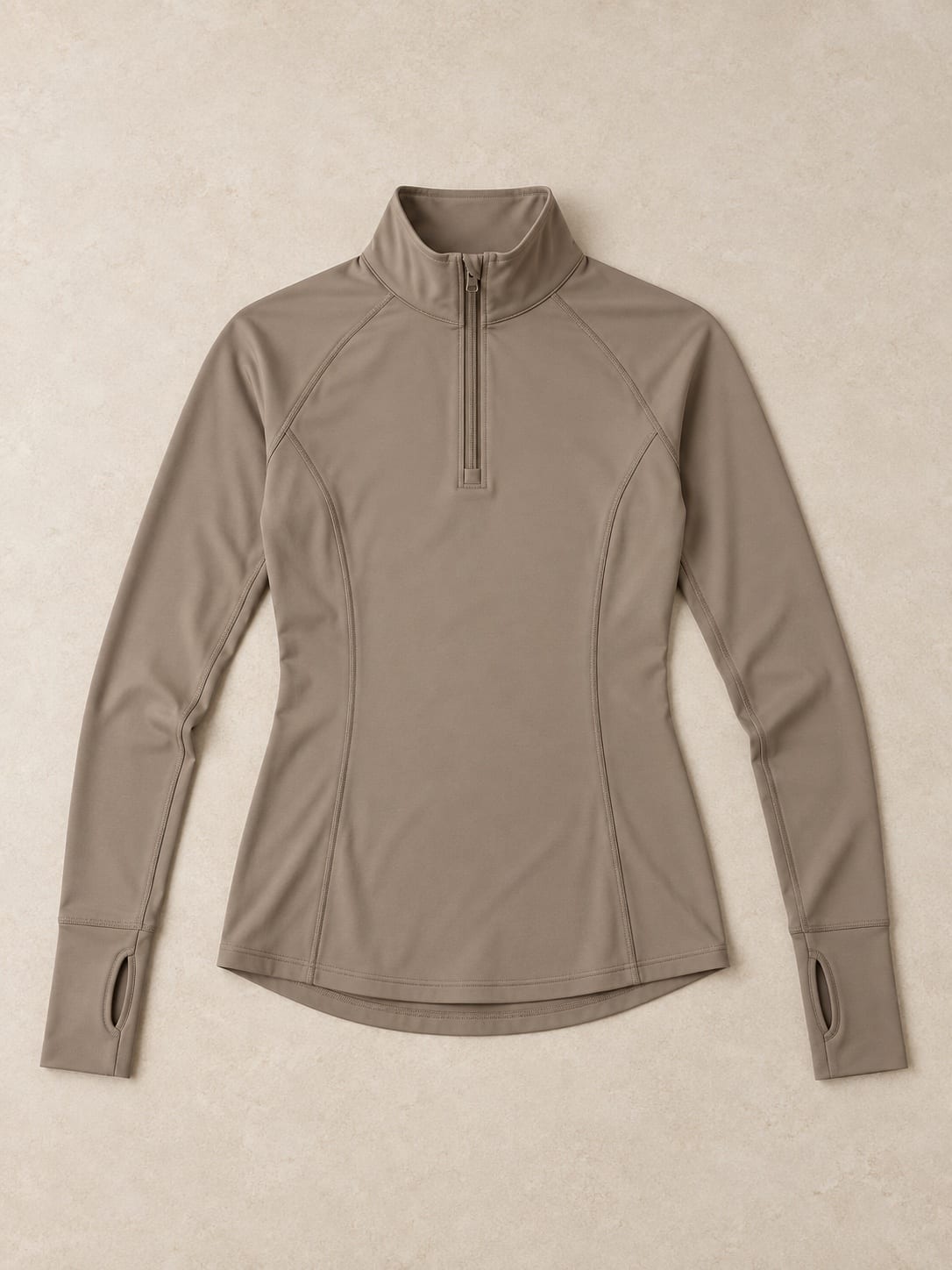
Make the Core Layer Earn Its Place
Quarter-zip training base layer:
the private label buying guide.
Private label quarter-zip riding base layers for equestrian brands: collar, zip, seams, fabric targets and brand artwork before sampling. Request an OEM quote.
A development direction for your brand. Final material, construction and performance by specification and sample approval.START WITH
THE RIDER.
For equestrian brands, tack retailers, clubs and riding schools seeking a versatile branded top that can coordinate with breeches, tights and outerwear across several seasons.
Product development context
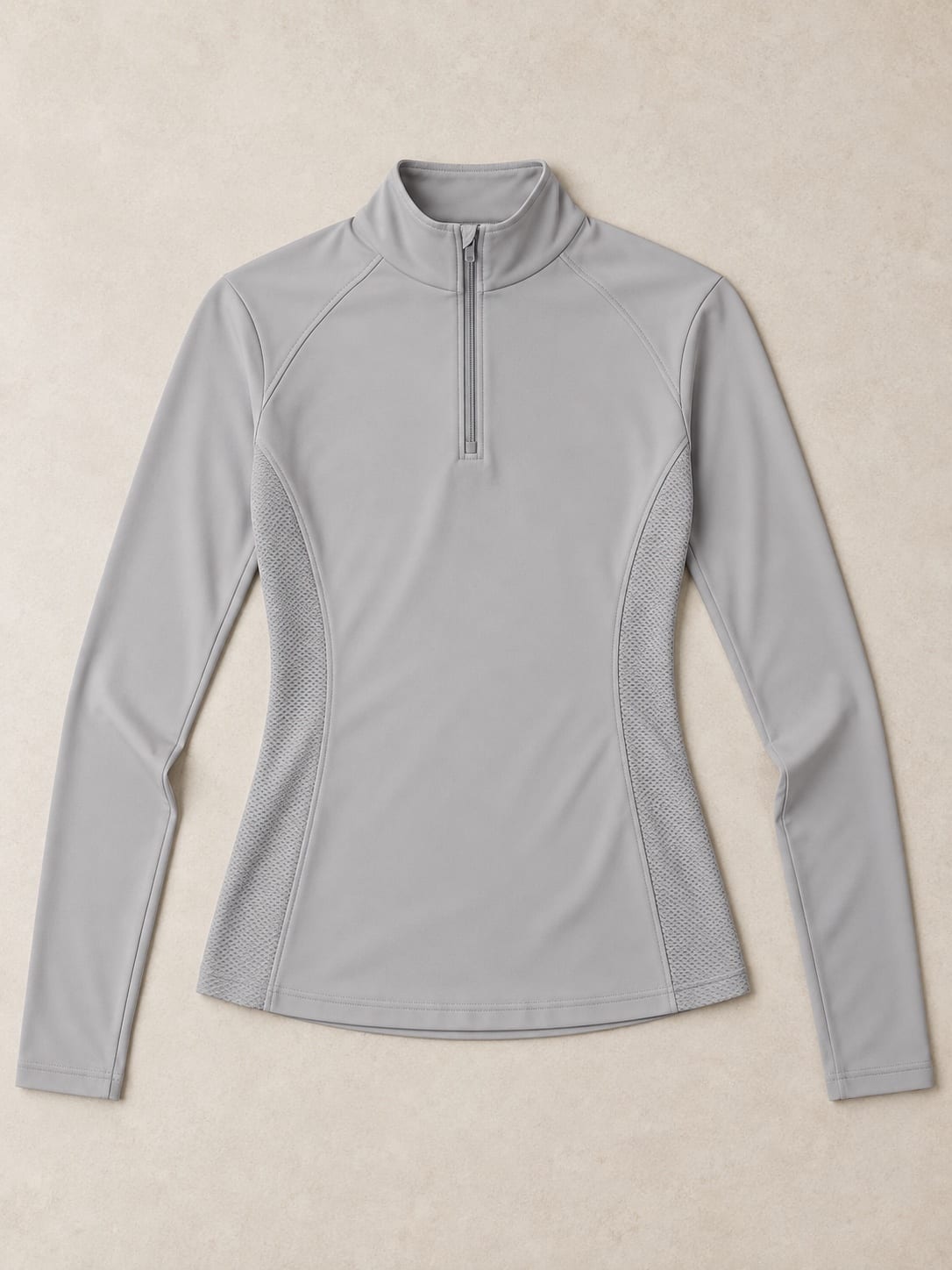
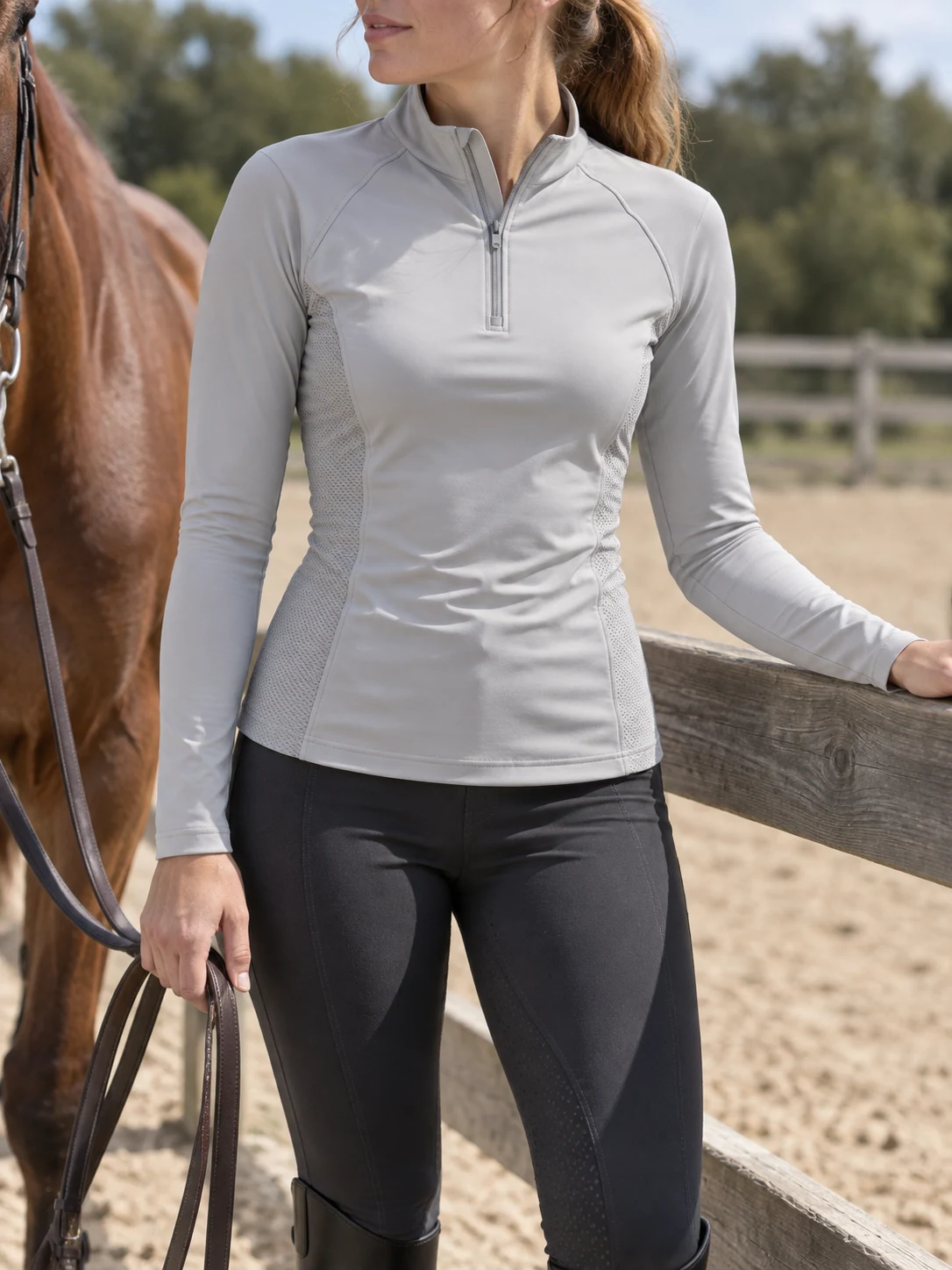
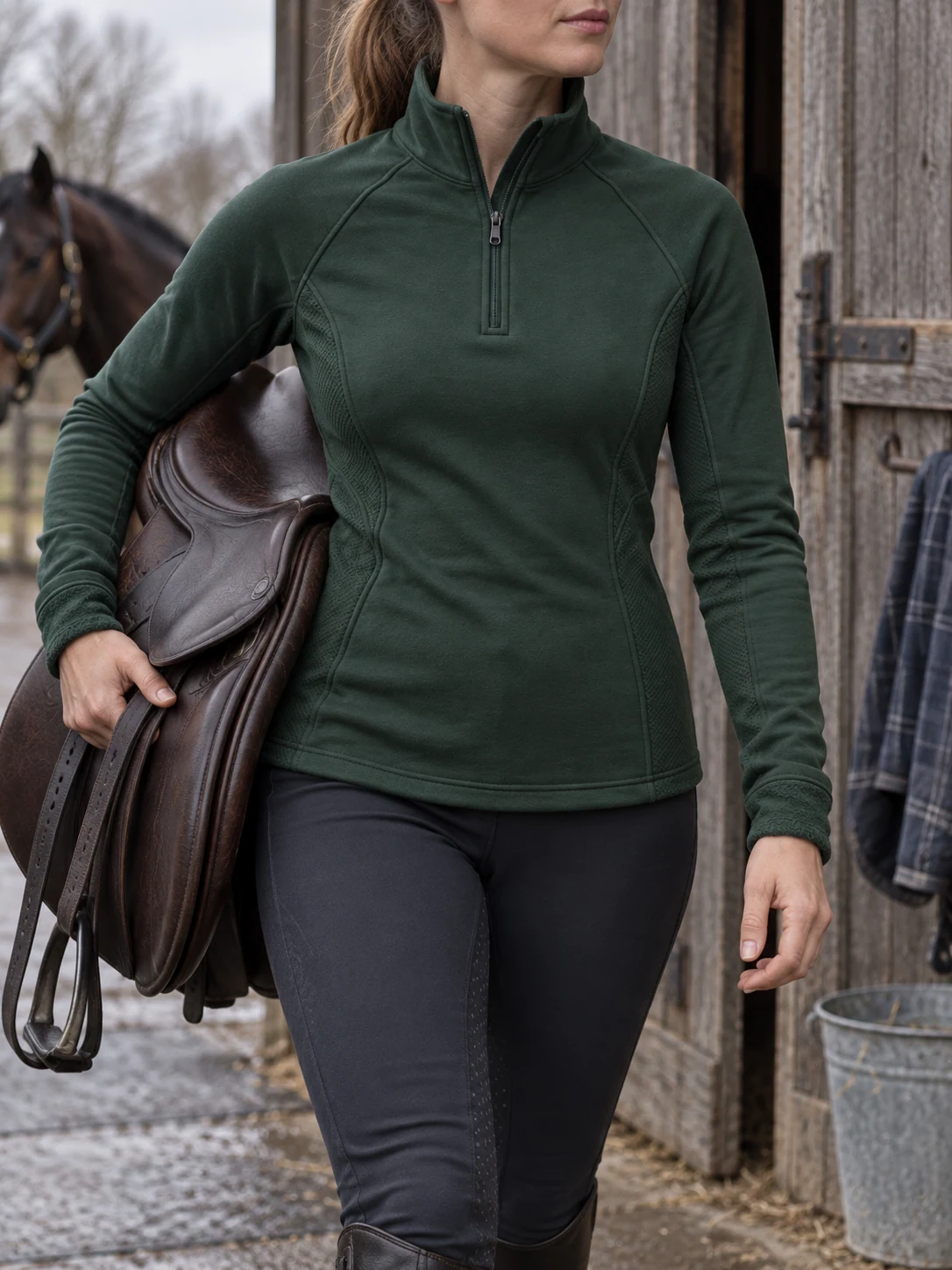
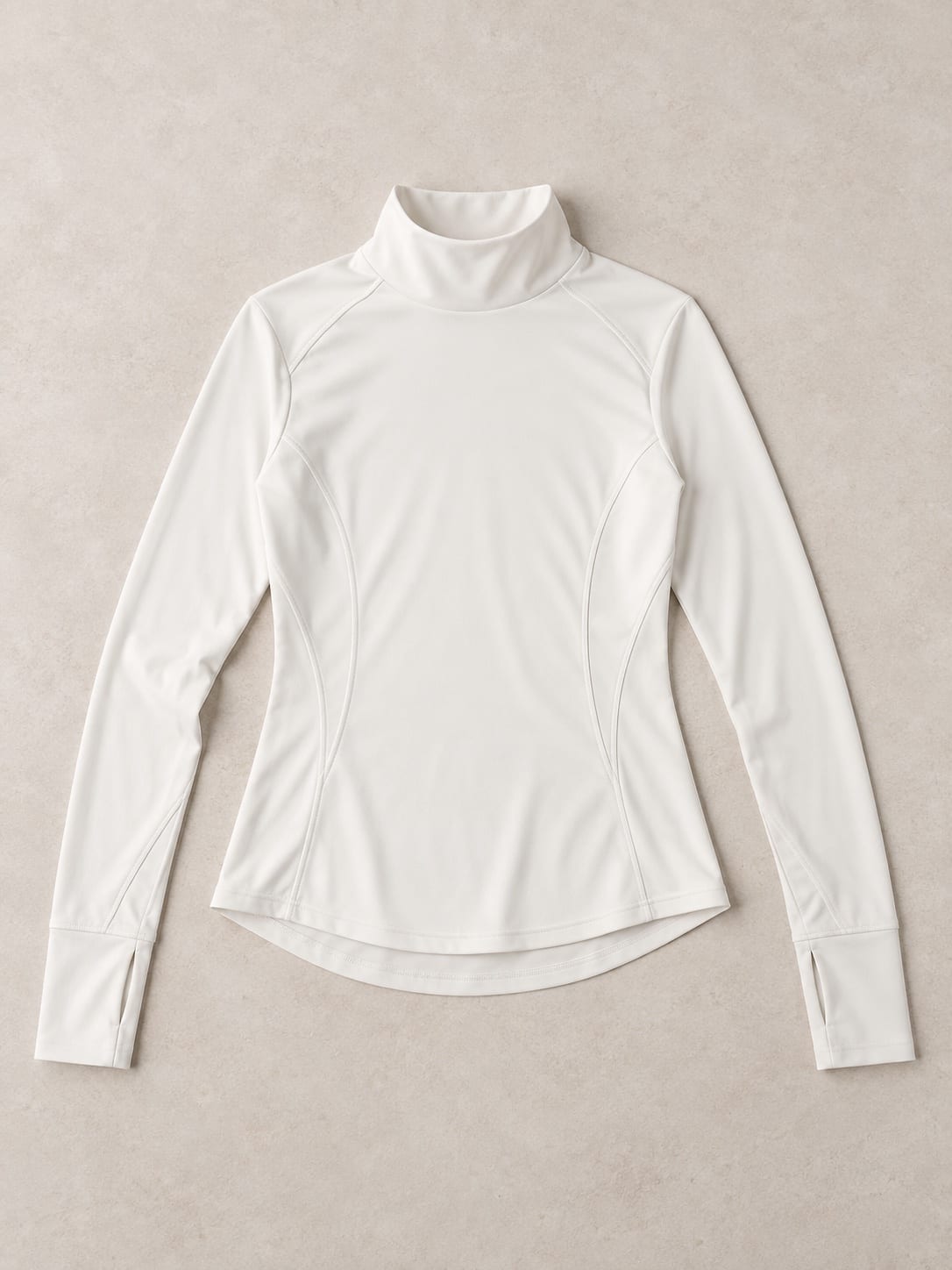
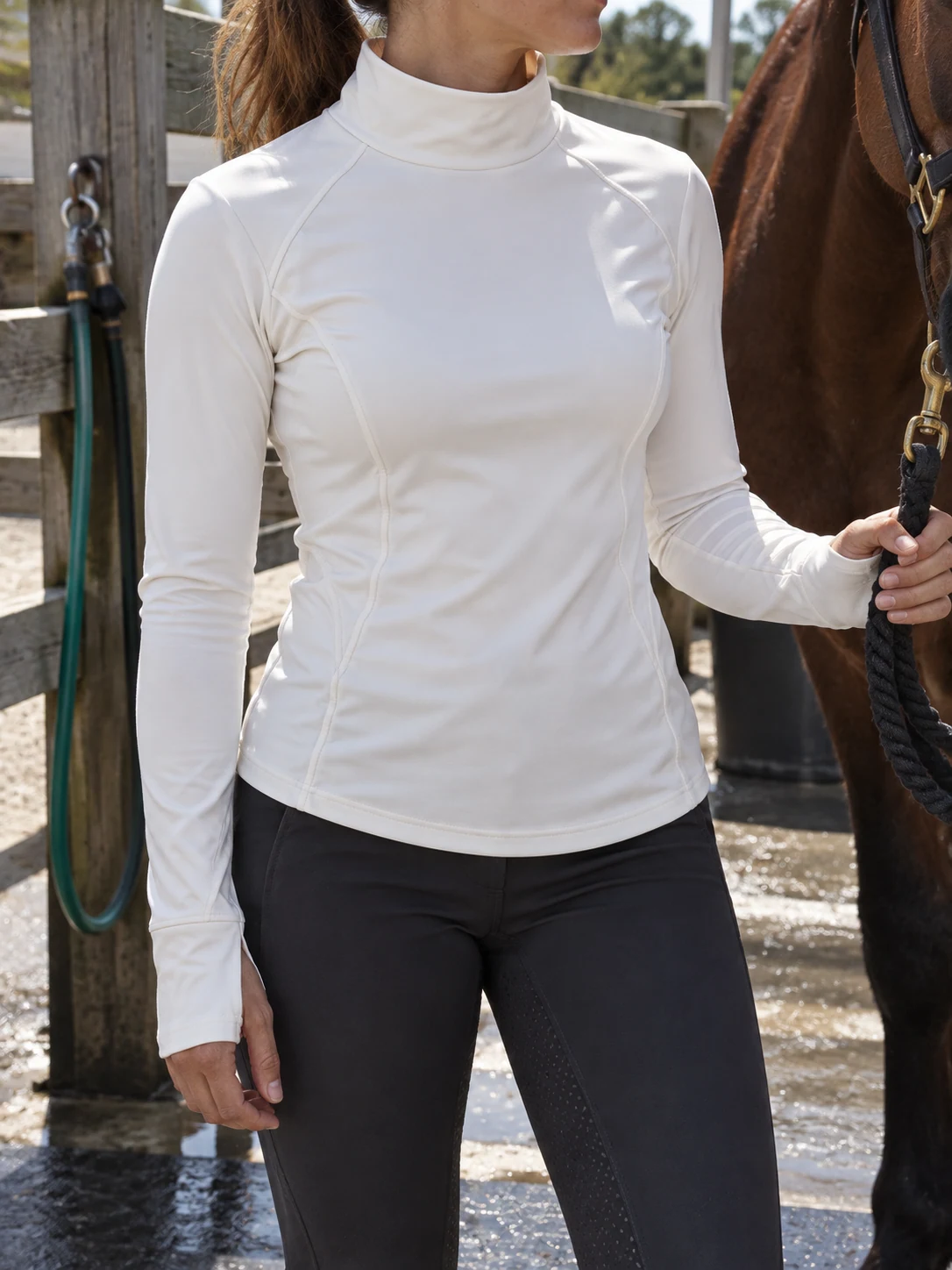
A quarter-zip base layer often carries a riding collection through training, yard work and travel, so its value lies in repeat wear rather than novelty. Buyers should establish whether it is worn next to skin, over a sports bra or under a jacket, then set collar height, zip length, body ease and sleeve articulation around that system. Moisture management, quick drying, odour control or sun protection are development targets until the chosen material and garment support them. The approved sample must feel comfortable both closed at the neck and vented during exertion.
Collar and zip comfort
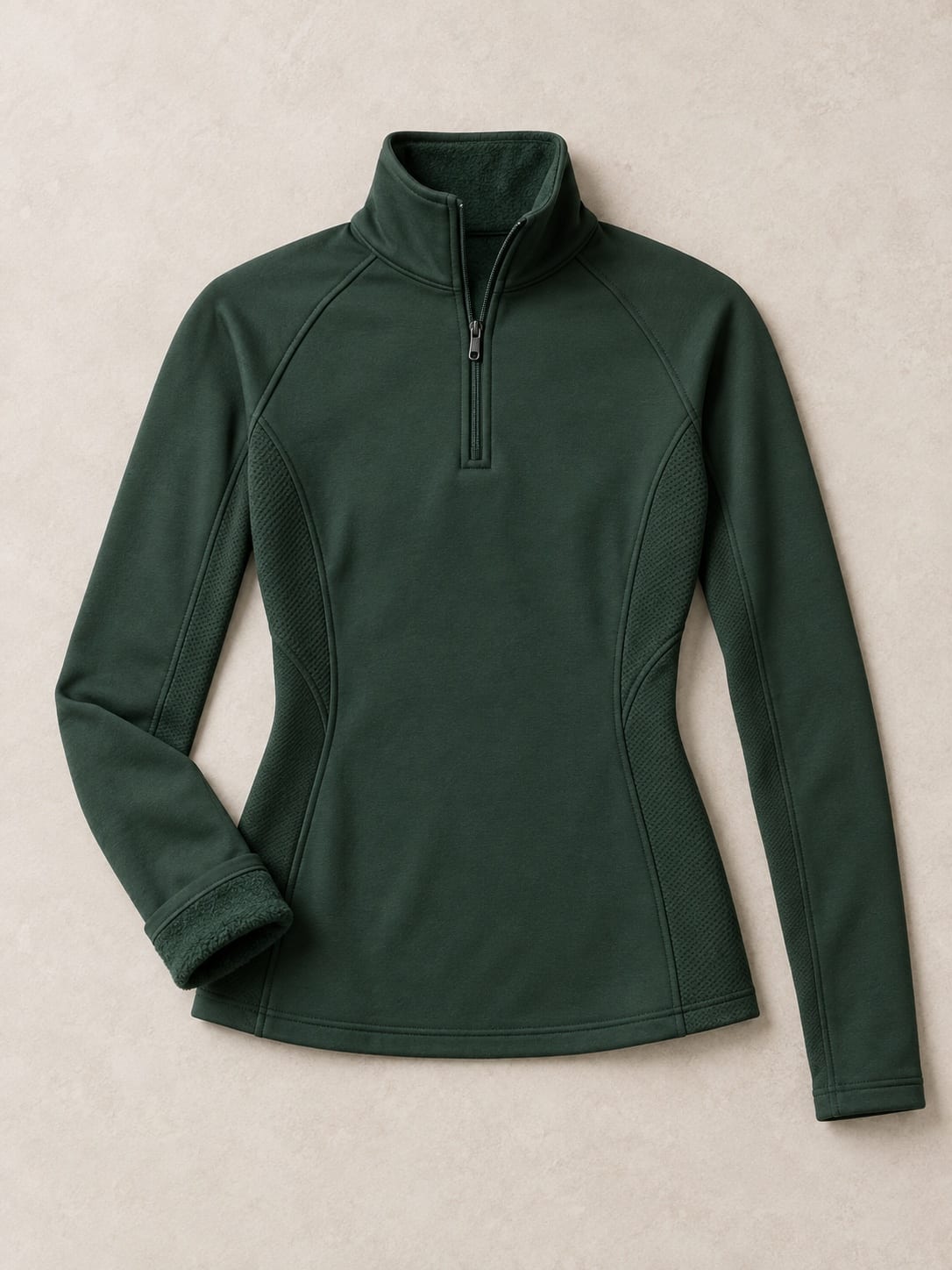
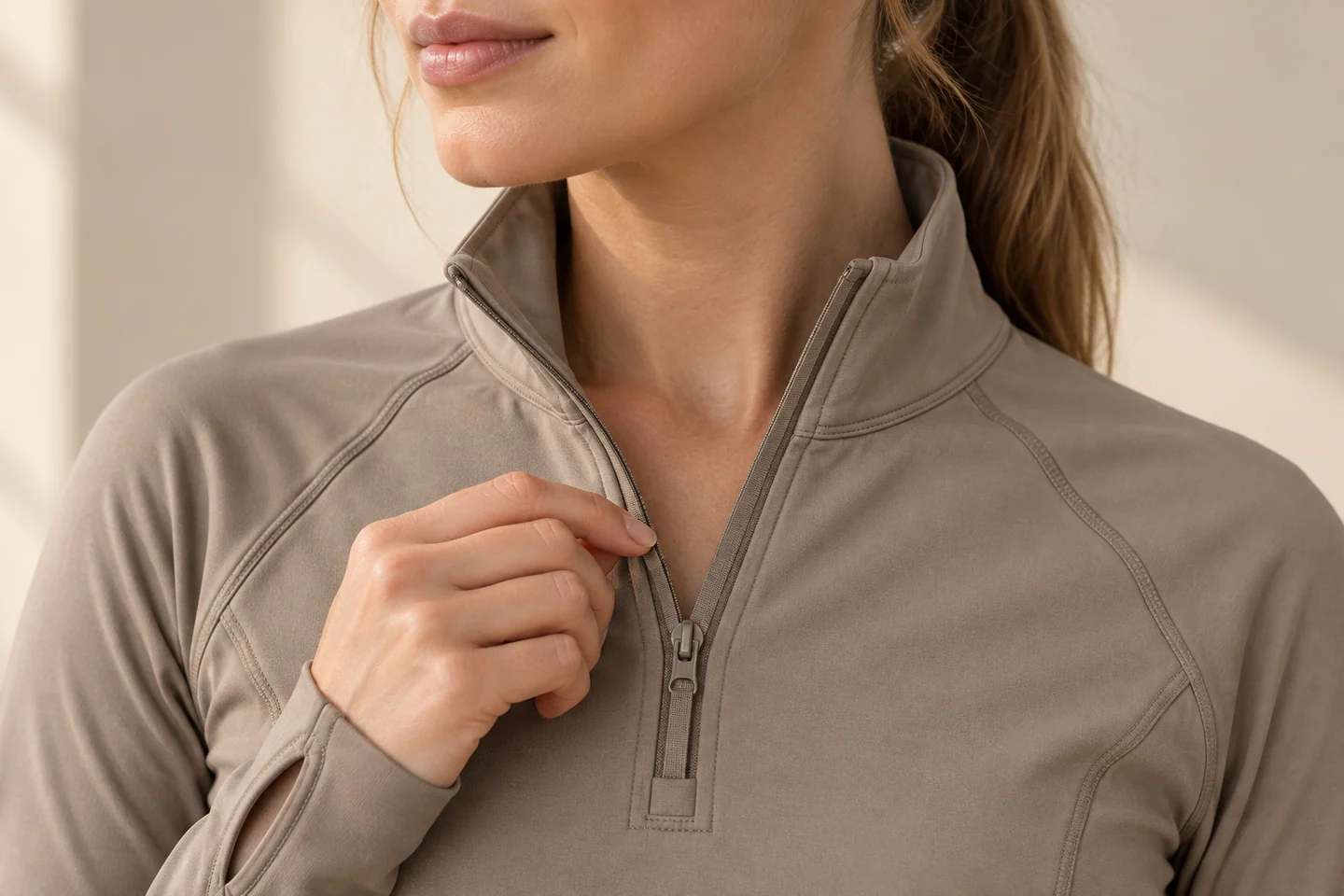
Specify collar height, circumference and stand, then test the zip fully closed, partly open and under a jacket. Protect the top stop and reverse side so hardware does not scratch the chin or create a ridge on the chest.
Movement ease
Set finished chest, waist, hip and bicep measurements from the layering intent. Reach forward as though holding reins and lifting tack; the hem should remain controlled while shoulders and elbows move without sleeve rotation or underarm drag.
Claim discipline
Translate phrases such as wicking, fast drying or UV protection into a measurable requirement and decide who provides evidence. A supplier’s generic fibre description does not establish performance for every colour, finish and finished garment construction.
THE FABRIC
SETS THE FEEL.
Compare material directions against your rider, climate and care expectations. Request the actual fabric specification and evidence for any performance claim.
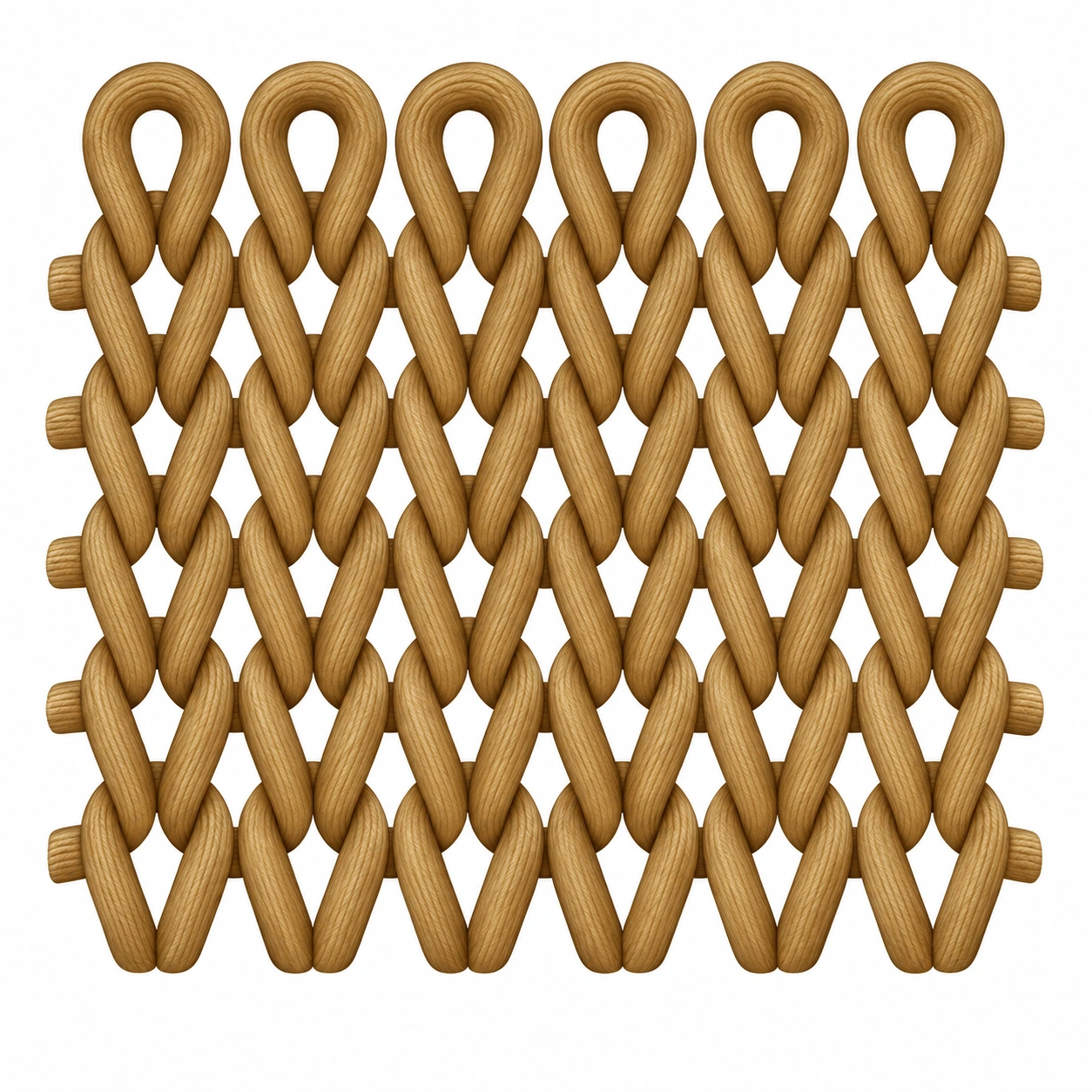
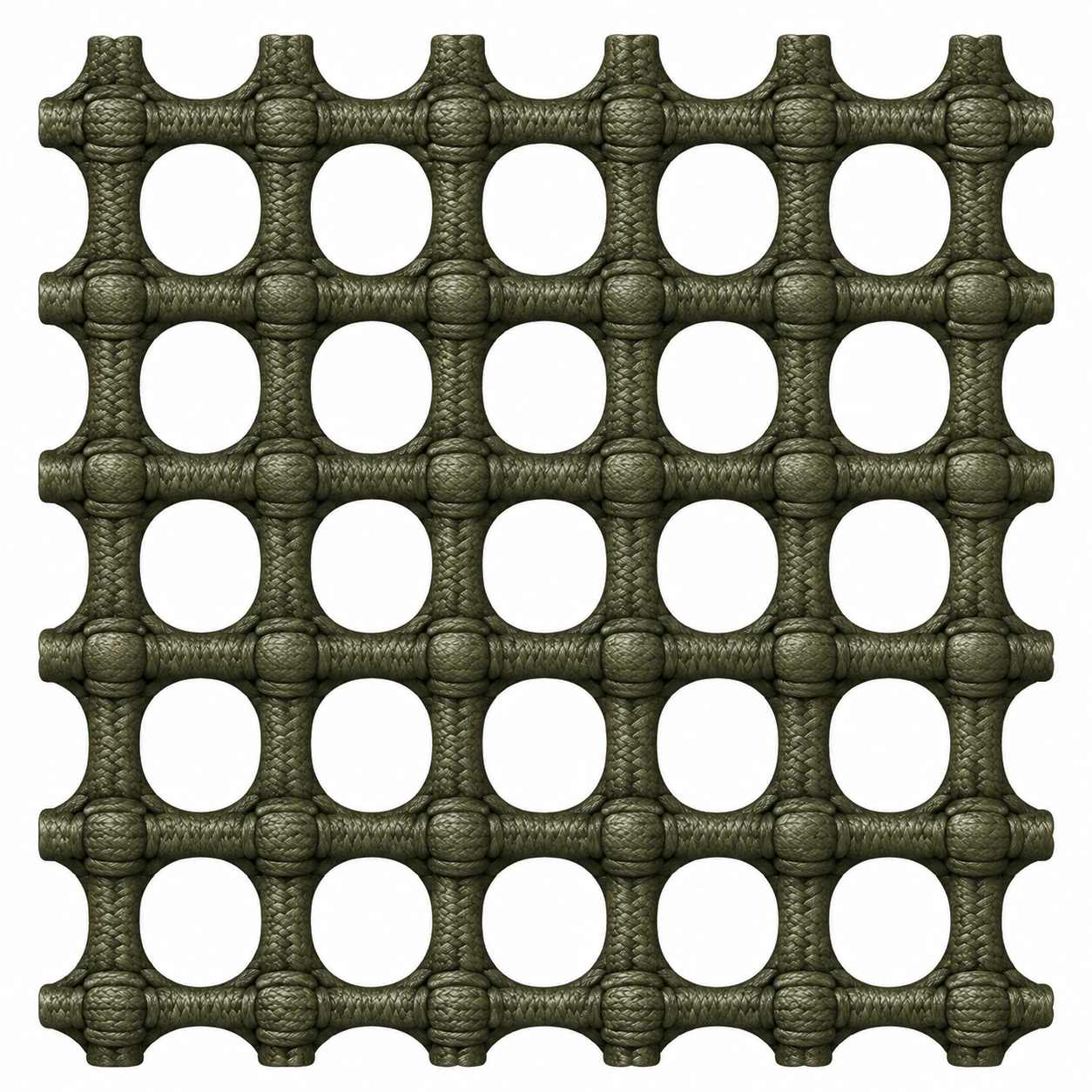
| Material direction | Why consider it | What to verify |
|---|---|---|
| Smooth stretch jersey | A lightweight multi-direction jersey can create a close, layer-friendly fit and support printed or transferred branding. Weight and surface should match opacity, climate and price position. | Review production-colour stretch, recovery, pilling, snagging, dimensional change, colourfastness and any agreed moisture or drying test before claims. |
| Textured or peached jersey | A softer inner or outer hand can support cool-season comfort and a premium tactile story, but surface treatments may influence pilling, print clarity and drying. | Compare treated and untreated swatches, then care-test the finished sample for surface change, recovery, colour and logo adhesion. |
| Localized mesh option | A compatible mesh underarm or back insert can increase perceived ventilation and visual interest without changing the main torso coverage. | Check stretch matching, wet transparency, seam slippage, snagging and chafe in the assembled garment during a representative ride. |
These are sourcing comparisons, not a list of stocked or certified fabrics. Confirm composition, weight, finish, availability and testing with the material selected for your project.
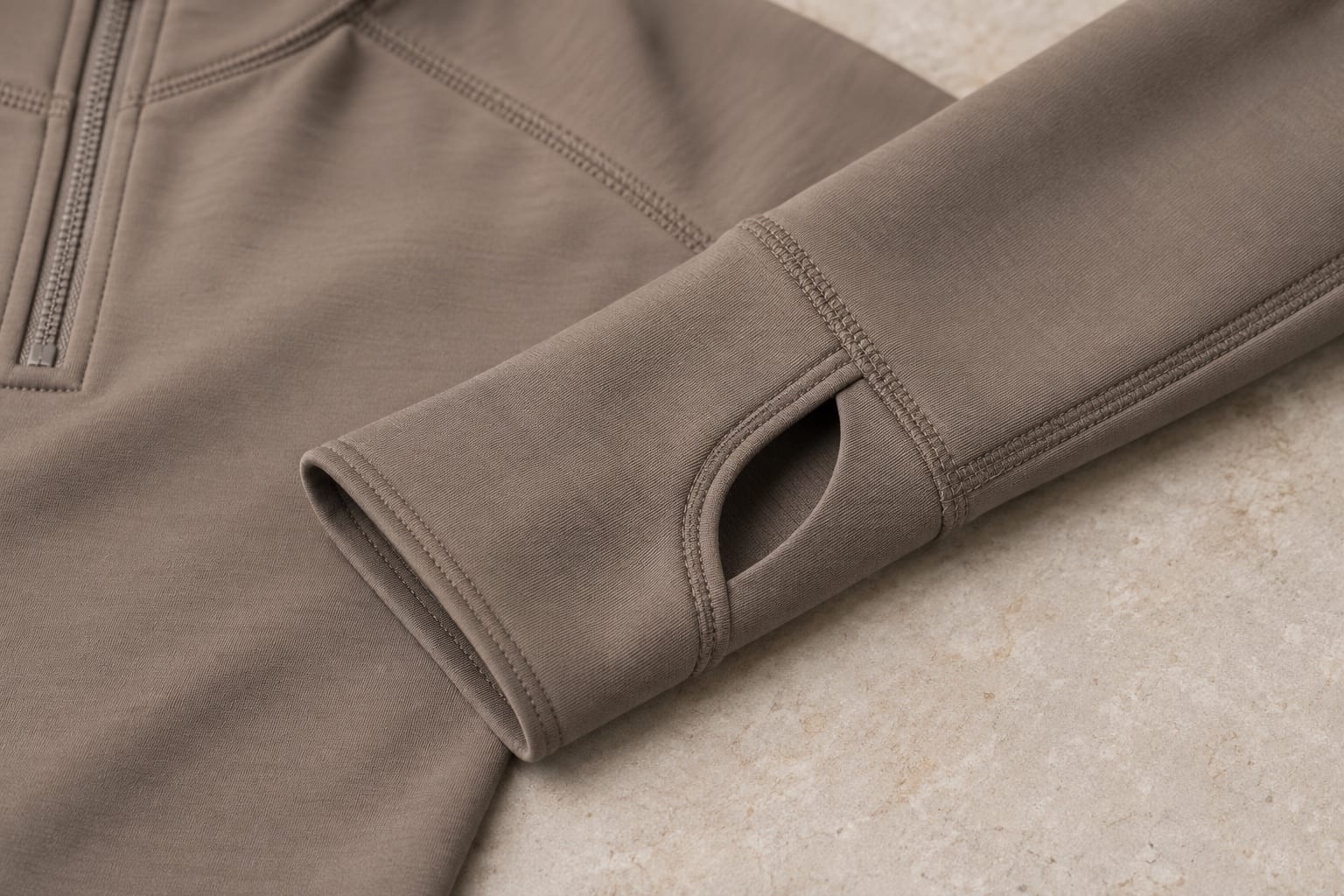 A CLOSER LOOK / DEVELOPMENT CONCEPT
IT’S IN
THE DETAILS.
Guarded quarter zip
Use a soft internal shield and top-end protection, checking the slider and puller against chin, hair and outerwear.
Forward-reach sleeves
Shape armholes and sleeves for rein position, with seams placed to avoid underarm friction and twisting.
Stable hem
Set torso length and sweep for tucked or untucked use, preventing ride-up without excessive compression over breeches.
Low-bulk neck labels
Choose printed or carefully placed labels so brand and legal information remain legible without irritating a next-to-skin collar.
FROM THE BRIEF.
INTO THE WORKROOM.
Develop the layer around movement and layering. Keep sleeve reach, zip length and inner comfort in the same brief.
Explore our factory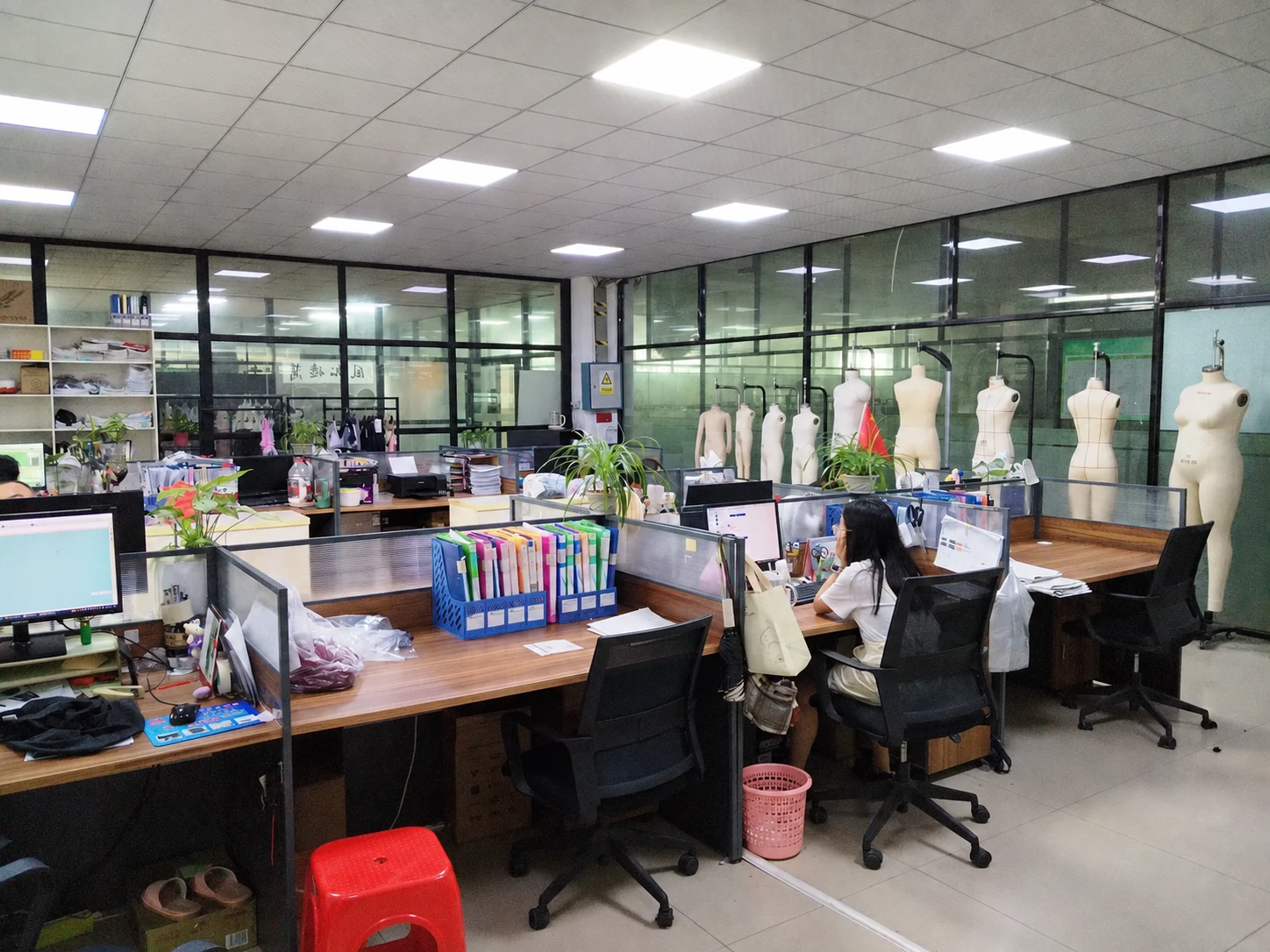
Guarded quarter zip
Use a soft internal shield and top-end protection, checking the slider and puller against chin, hair and outerwear.
Carry this into approval Factory views show our working environment. Your garment follows its agreed specification and sample.GET THE
RIGHT FIT.
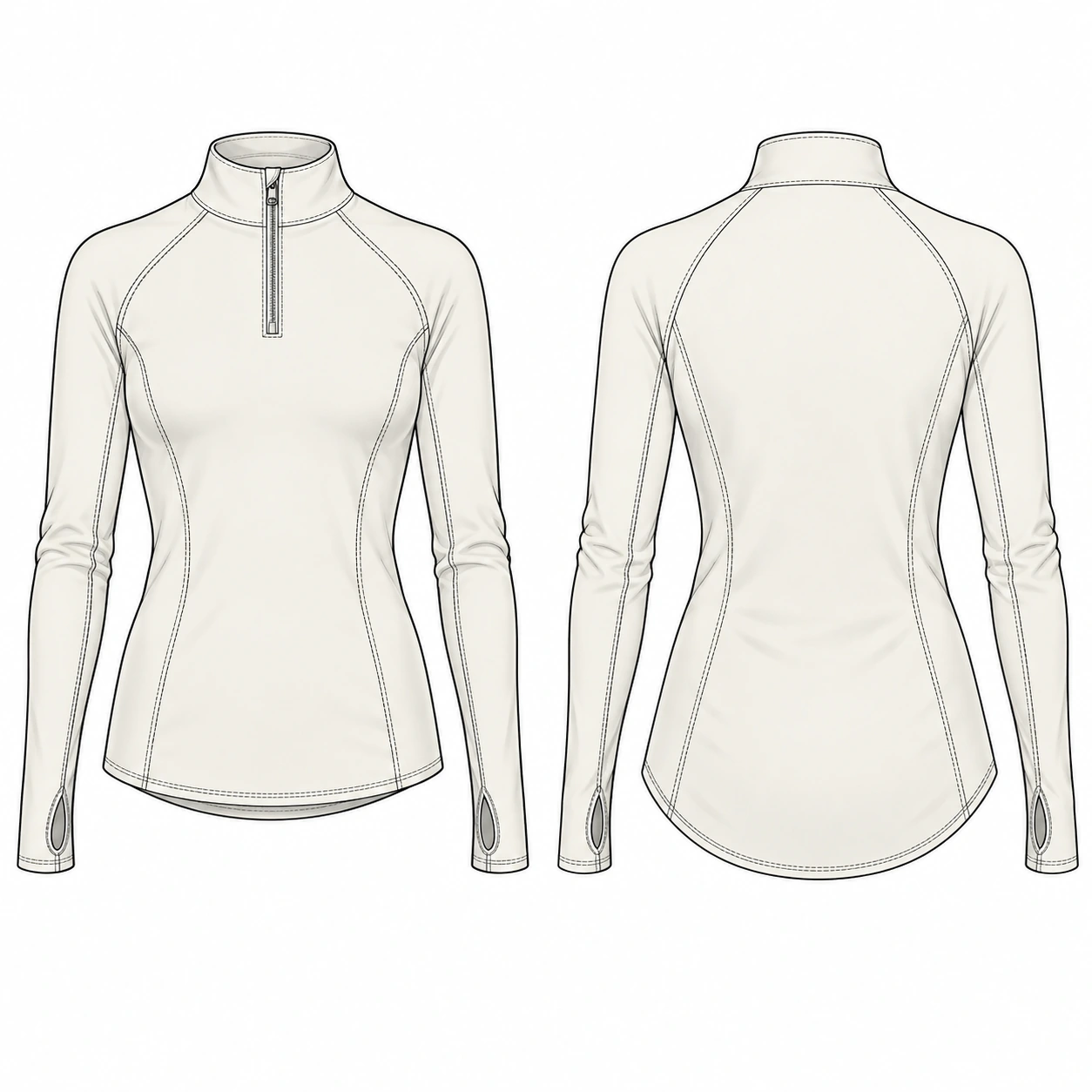
- AChest
- BShoulder span
- CSleeve length
- DBody length
A size label is only the beginning. Agree the measurement method, review the garment in use and keep the approved fit record with your specification.
Your fit-session checklist
Record the size worn, body measurements, intended underlayers and every proposed correction with the dated sample.
Note the size worn, body measurements, intended underlayers and each proposed correction. Recheck the affected measurement after a revision; confirm the size breakdown for each style and colour before bulk.
MAKE IT
RECOGNISABLY YOURS.
Use the product’s construction to guide decoration and finishing. Ask for placement, colour and material approval on the relevant sample.
Small details.
One identity.
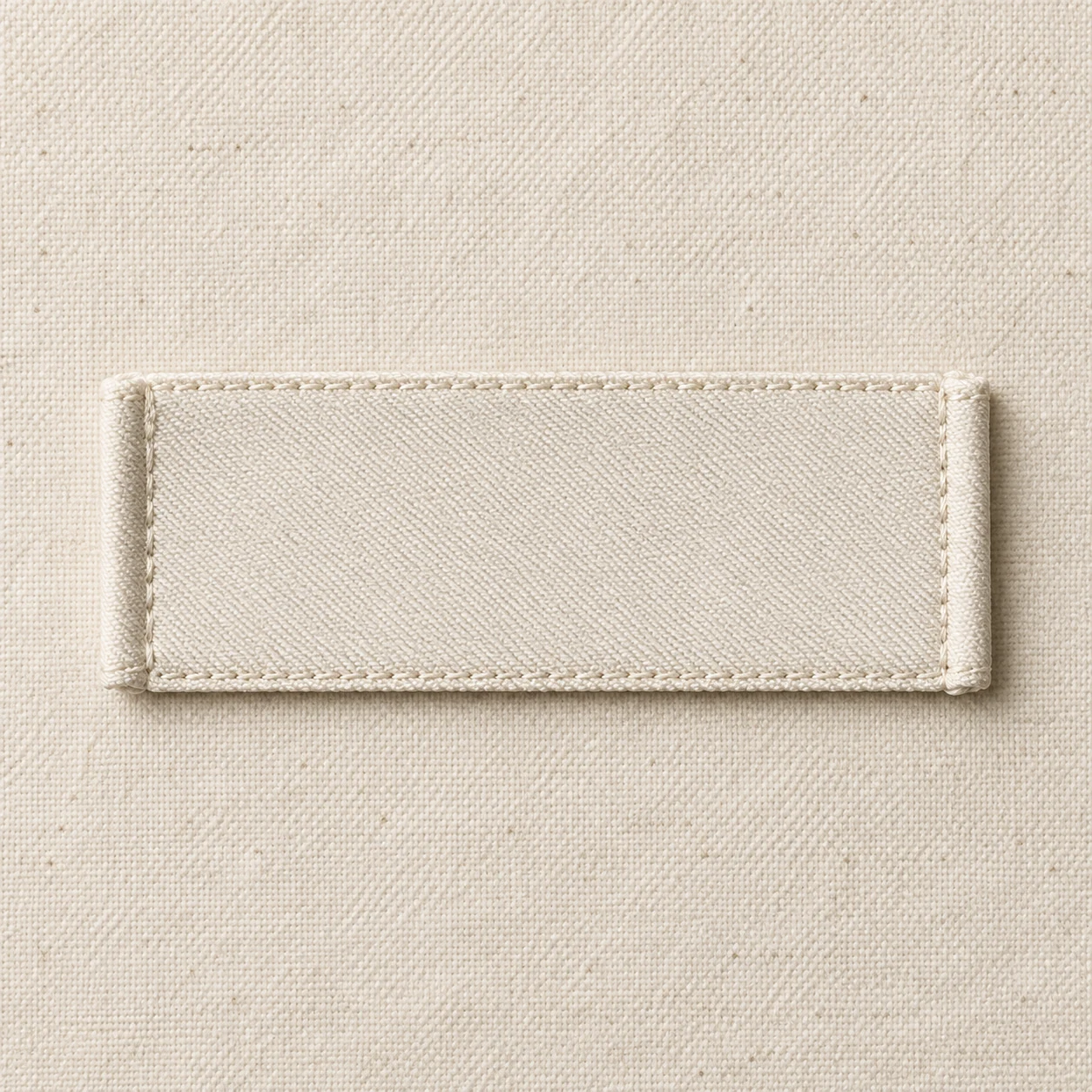
Folded edges · fine weave
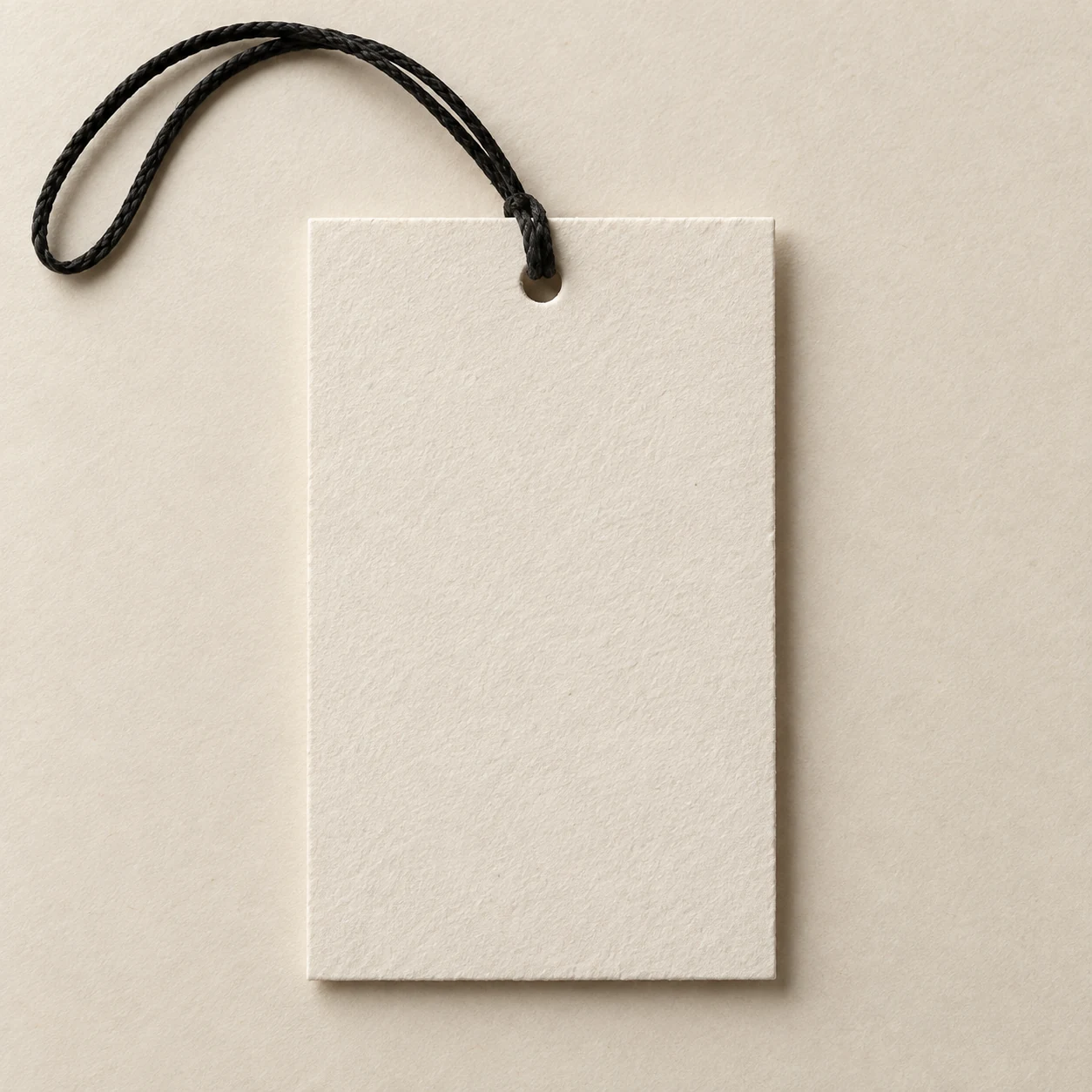
Textured stock · cord attachment
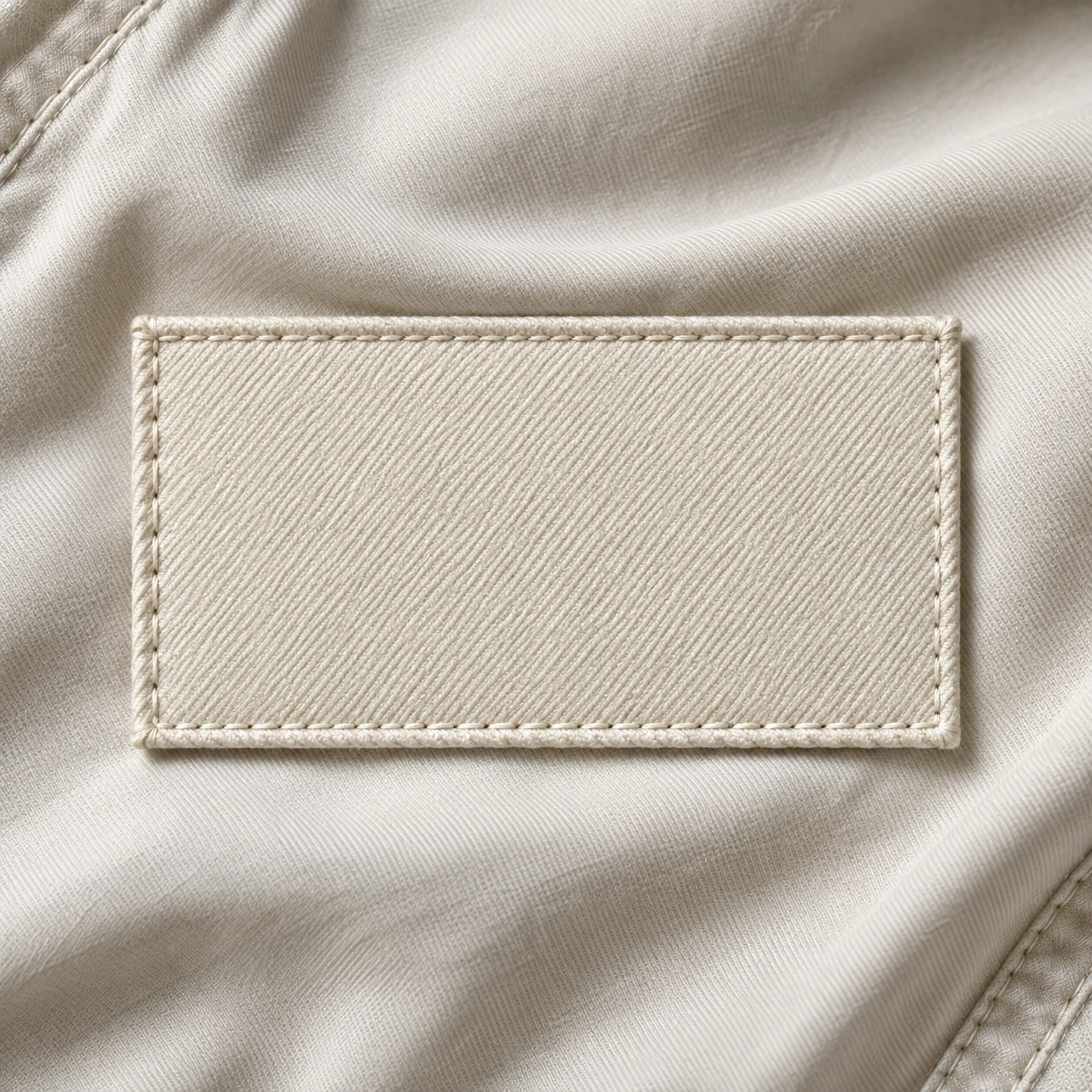
Raised edge · stitched placement
Material mockups with a live wordmark study. Print, weave, colour matching and placement are confirmed on your physical sample.
Zip package
Define exposed or concealed teeth, length, puller, garage, guard and colour; approve function after care because lightweight fabrics can ripple beside stiff tape.
Seam architecture
Use raglan, set-in or shaped panels according to fit and brand language, mapping logo areas before seams divide printable space.
Brand placement
Set method, artwork size and stretch zone for chest, sleeve, back neck or collar marks; verify flexibility and colour after laundering.
Collection matching
Reference approved colours for bottoms and outerwear, then document acceptable shade relationships across unlike fabric bases rather than assuming exact visual matches.
APPROVE THE DETAIL.
THEN THE ORDER.
The first sample helps you make decisions. Define review conditions and acceptance criteria before you compare the result.
Review the quarter-zip training base layer sample
Sampling takes 7–10 working days from the agreed start. Record each decision against the dated sample before bulk approval.
Rider, material direction, measurements and artwork.
DEFINE THE STARTTurn the agreed direction into a garment to review.
7–10 WORKING DAYSReview fit, finish and changes. Confirm the final specification.
REVISE IF NEEDEDProceed with agreed quantities, colours, labels and packing.
30–45 WORKING DAYSA shared development direction
Bring reference garments, your rider profile, target colours and any artwork. We turn these into the measurements, materials and construction questions that the sample needs to resolve.
Sample feedback can return to development. Revisions and transit are planned separately; timing begins from the agreed specification and start date.

KEEP THE APPROVAL.
WITH THE ORDER.
One agreed reference for the workroom: the dated sample, its specification and your confirmed order breakdown.
Sample decisions
- Neck comfort
Wear the collar closed and vented for a normal session, checking top stop, zip guard, puller movement, hair catch and sweat irritation.
- Rein-position mobility
Reach forward, lift arms and carry tack while observing hem movement, shoulder restriction, sleeve twist and underarm seam pressure.
- Layering fit
Test next to skin and under the reference vest or jacket, checking bunching at sleeves, collar and torso without changing sample size.
Style, colour & size allocation
Confirm each style and colour separately, with the size allocation attached. The minimum is 100 pieces per style, per colour.
Labels, packing & timing
Agree label artwork, packing instructions and the production start. Bulk production takes 30–45 working days from the confirmed start; revisions and transit are planned separately.
A CLEARER BRIEF.
A MORE USEFUL QUOTE.
Price follows an agreed product, quantity and delivery scope. Use these inputs to compare proposals on the same basis.
Zip specification
Custom colour, branded puller, concealed construction and protective guards add trim and assembly cost.
Panel complexity
More curved pieces or mesh inserts increase cutting, matching, seam length and inspection.
Fabric performance
Special finishes, custom colours and substantiated claims can add sourcing, testing and development expense.
Branding methods
Multiple logos, reflective details or high-stretch transfers require separate artworks, applications and approvals.
Bring these six things
Planning baseline: 100 pieces minimum per style, per colour. Sampling takes 7–10 working days; bulk production takes 30–45 working days from the agreed start.
100 pieces minimum per style, per colour. State each colour quantity separately; confirm your proposed size allocation.
GOOD QUESTIONS.
BETTER DECISIONS.
Product-specific sourcing questions to resolve before sampling.
Set length from the intended venting and styling, then check it on the target torso. It should open enough for dressing and heat release without ending at an uncomfortable pressure point or destabilizing the lightweight front panel.
Treat moisture management as a requested product-development target. Agree the material, finish, test method and acceptance criteria before making a claim. Do not state certified wicking performance until the exact fabric has relevant documented evidence.
Approve measurements and grading, selected fabric and colours, zip and collar construction, seam map, artwork, labels, packaging and care basis. Record tolerances, accepted exceptions and the final garment reference in the specification.