 REINFORM
Make Club Identity Wear Well
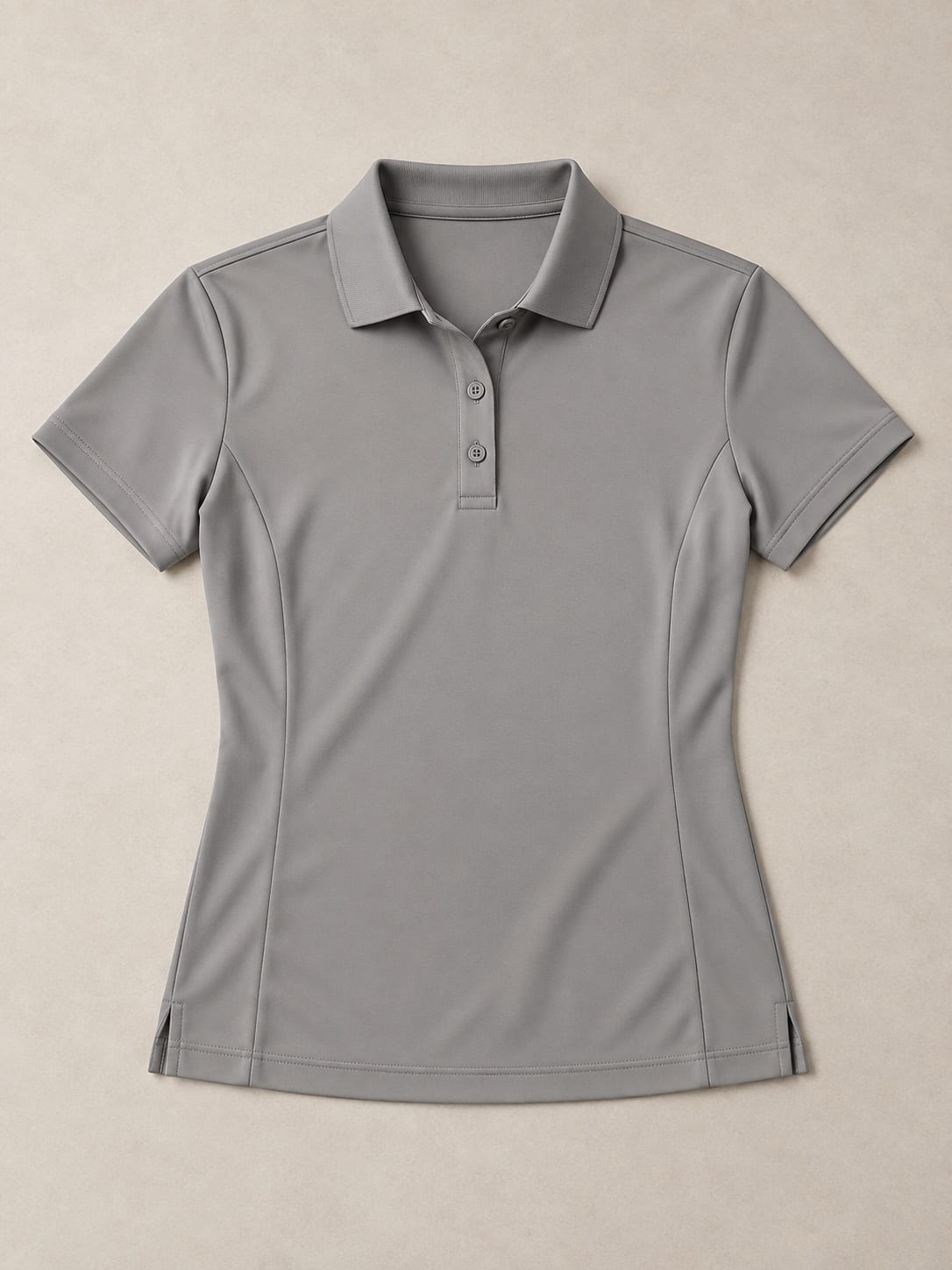
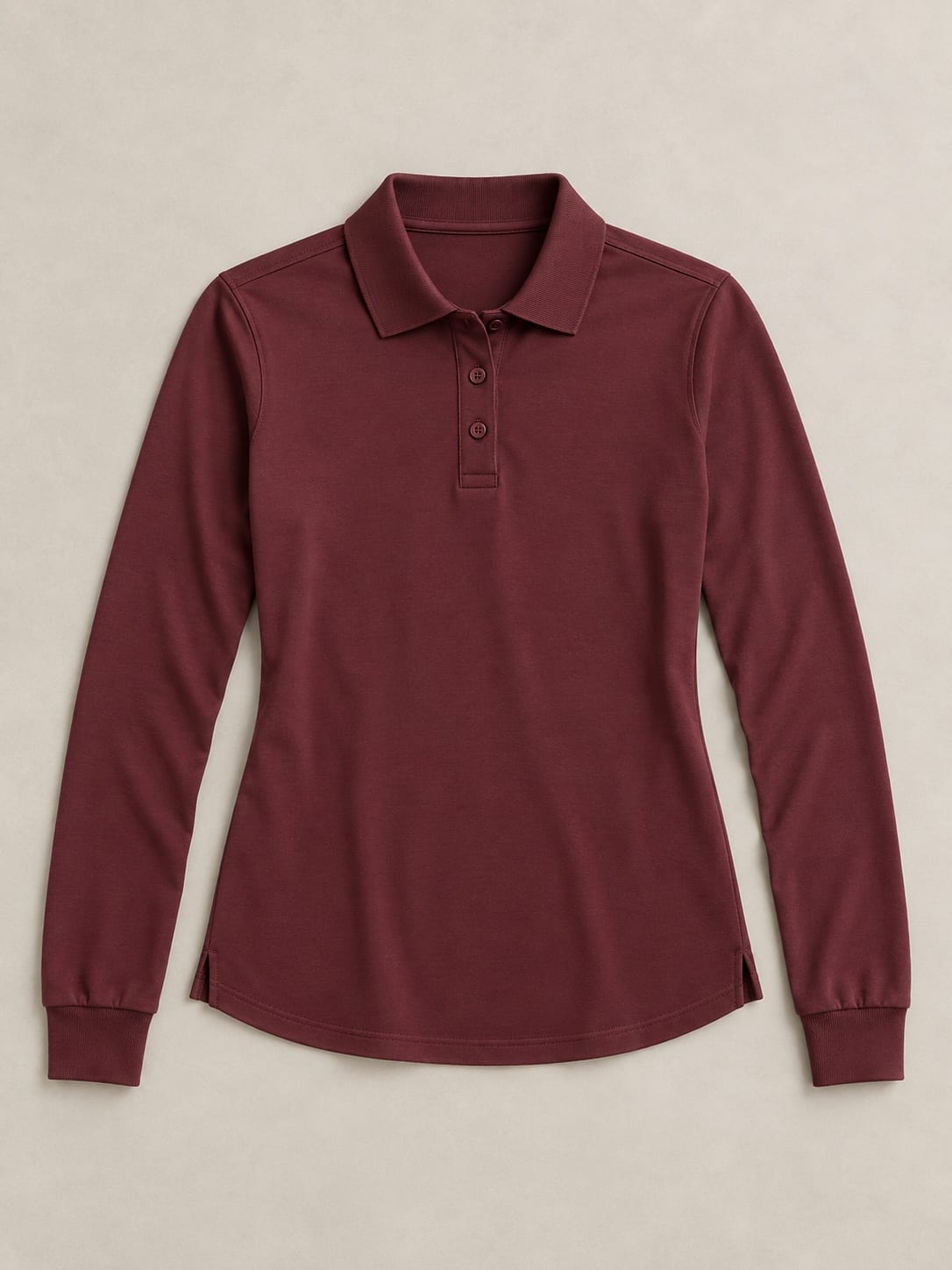
Piqué club polo:
the private label buying guide.
Private label piqué equestrian club polos for equestrian brands: embroidery, roster sizing, collar structure and repeat-care checks. Request an OEM quote.
A development direction for your brand. Final material, construction and performance by specification and sample approval.START WITH
THE RIDER.
For pony clubs, academies, riding schools, show teams and tack shops wanting a recognisable traditional polo with organized logos, sizes and private-label finishing.
Product development context
A piqué club polo is a uniform, retail item and branding surface at once. Buyers need consistent colour, a collar that survives repeat washing, a body that works tucked or untucked and embroidery that does not pucker the textured knit. For roster orders, size architecture and packing instructions matter as much as style. Cotton-rich, synthetic or blended directions have different hand, recovery and care behaviour; no composition should be assumed before sourcing. The sample programme should test riding reach, wash response and the exact club and sponsor artwork on the selected fabric.
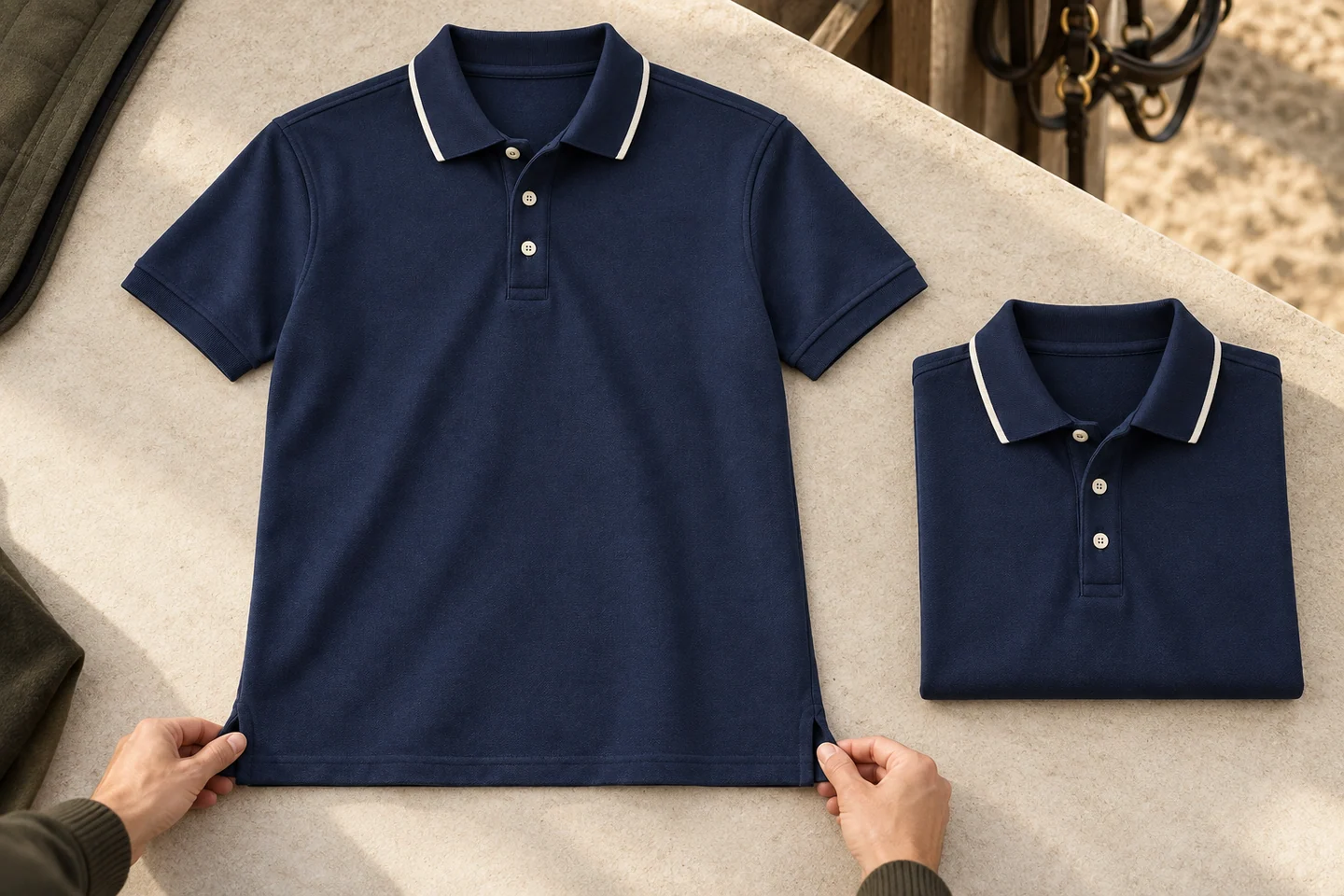
Repeat-wash shape
Collar, placket and body can shrink or twist at different rates. Approve the complete shirt after the proposed care sequence, measuring collar width, body length and side-seam torque instead of accepting a fresh sample only.
Embroidery control
Piqué texture can distort small lettering and dense logos. Digitize for the exact fabric, choose backing deliberately and check interior comfort, puckering and colour after laundering before applying the programme across all roster sizes.
Roster execution
Collect measured sizes, role or name variations, logo entitlements and packing order in one controlled file. Confirm late-change and replacement handling before bulk so personalization does not become an untracked production instruction.
THE FABRIC
SETS THE FEEL.
Compare material directions against your rider, climate and care expectations. Request the actual fabric specification and evidence for any performance claim.
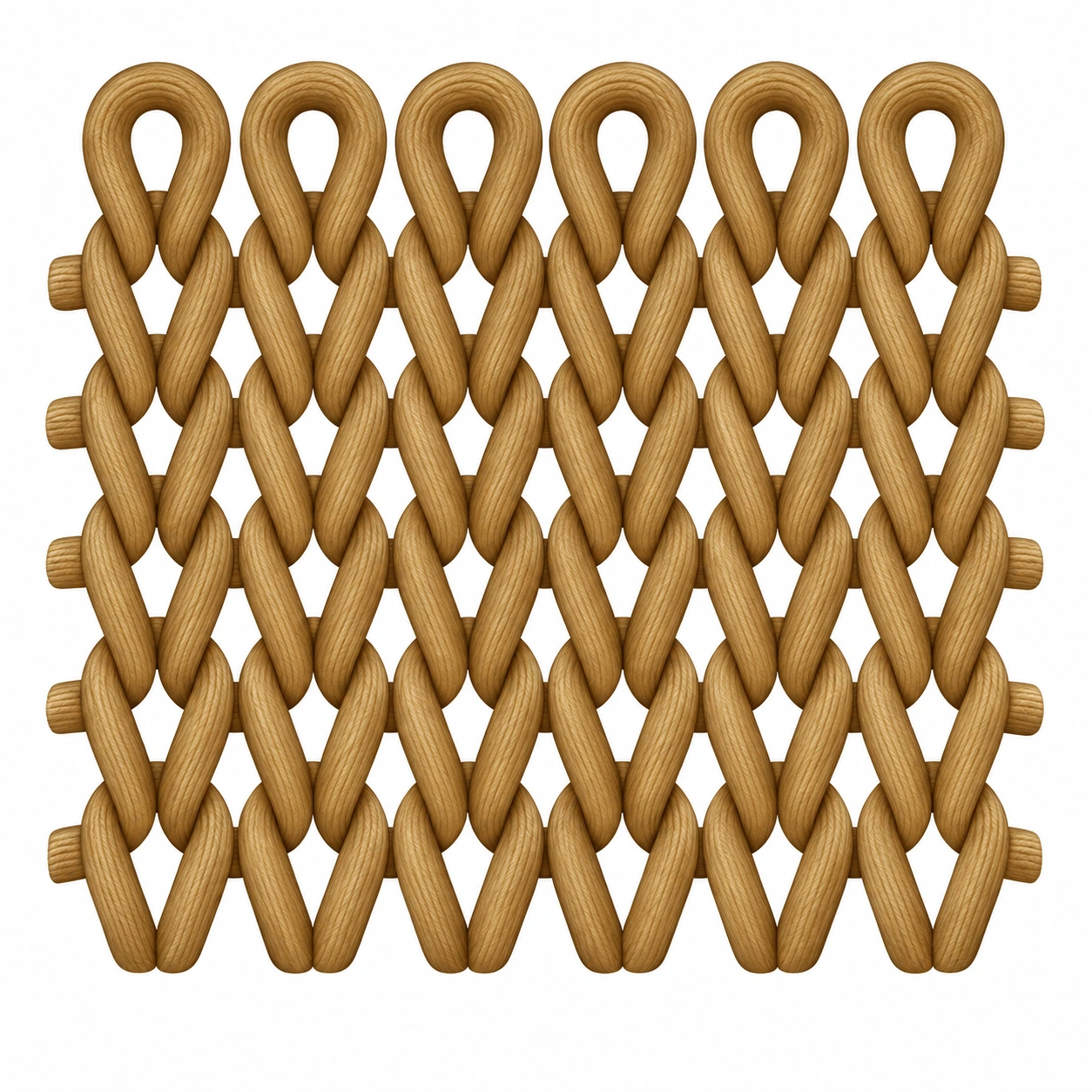
| Material direction | Why consider it | What to verify |
|---|---|---|
| Cotton-rich stretch piqué | This direction can offer familiar texture and natural hand with added mobility, but fibre ratio, weight and finish affect recovery and shrinkage. | Confirm documented composition, then test production colours for dimensional change, colourfastness, pilling, recovery and embroidery behaviour after care. |
| Synthetic performance piqué | A synthetic textured knit may support lighter weight and moisture targets while preserving a polo look, depending on structure and finish. | Evaluate hand, snagging, pilling, shrinkage, colourfastness, odour or moisture claims if proposed, and logo application on actual material. |
| Rib collar and cuff | Dedicated rib can hold a classic edge and contrast stripe, but its recovery, shade and shrinkage must suit the body. | Care-test assembled collars and cuffs for curl, flare, tightness, colour mismatch and seam puckering across the planned range. |
These are sourcing comparisons, not a list of stocked or certified fabrics. Confirm composition, weight, finish, availability and testing with the material selected for your project.
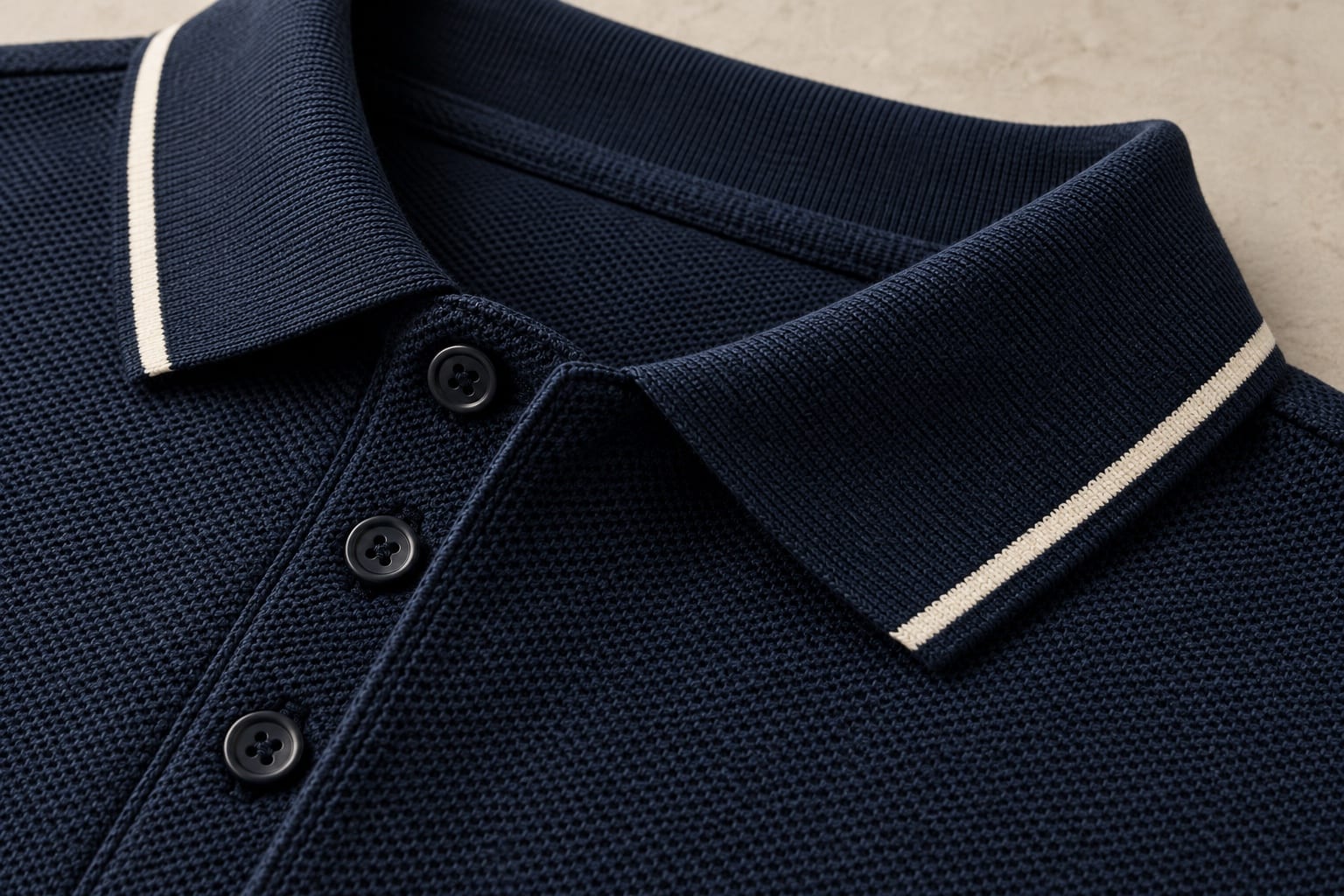 A CLOSER LOOK / DEVELOPMENT CONCEPT
IT’S IN
THE DETAILS.
Stable placket
Support buttonholes and opening without a stiff patch, aligning top, bottom and collar points after laundering.
Ride-ready shoulders
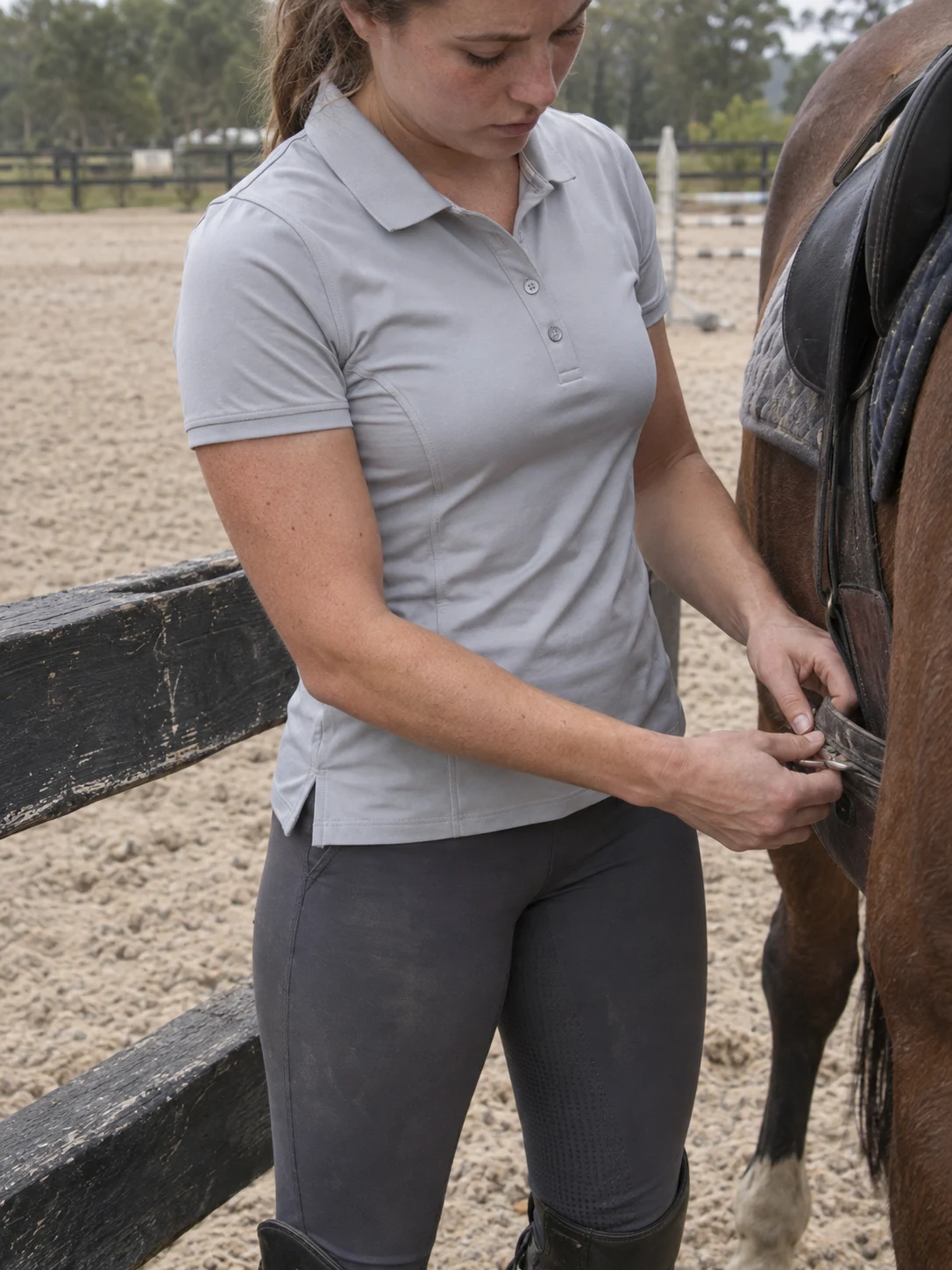
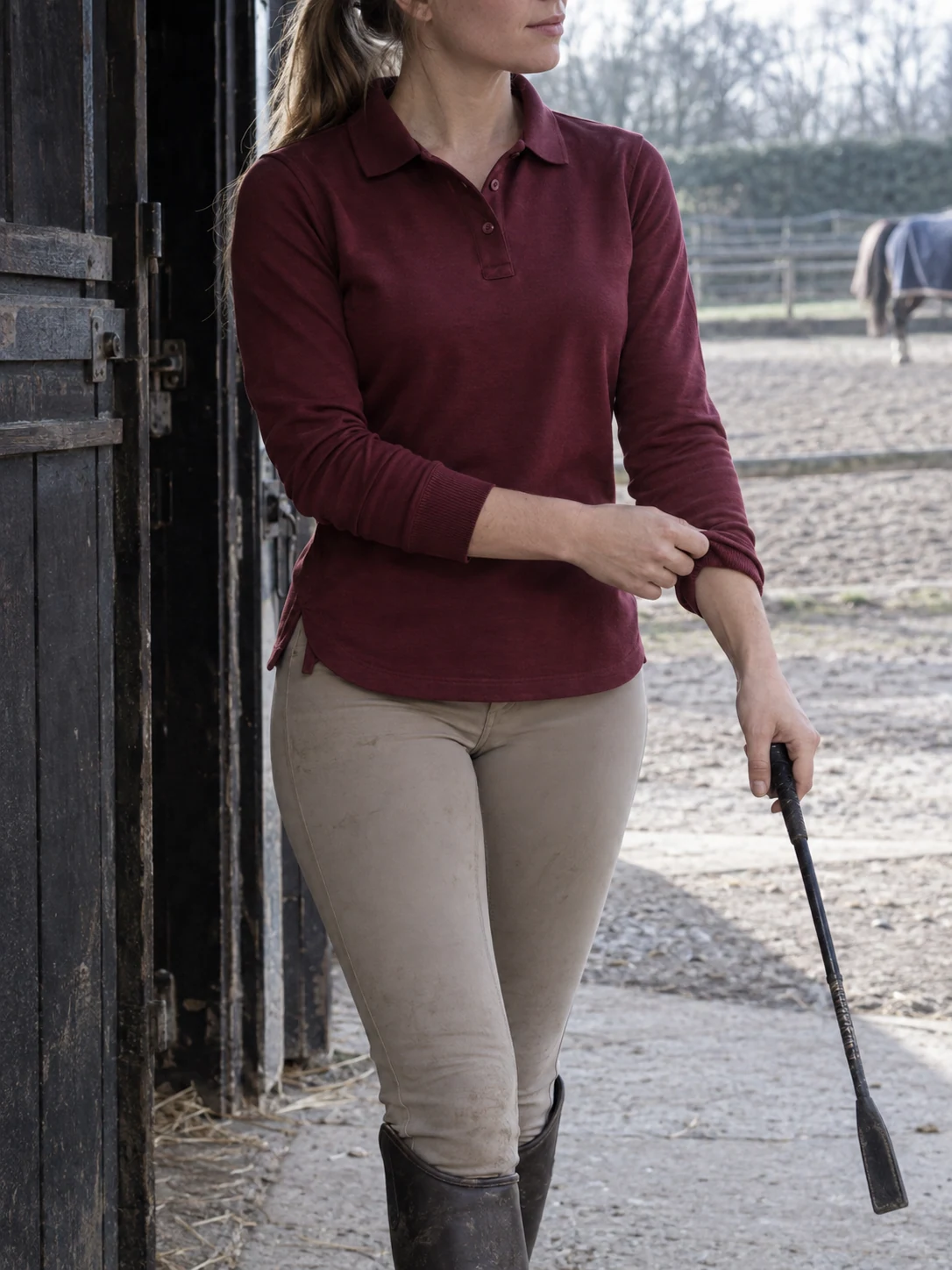
Provide forward reach for reins and stable tasks while preserving the classic silhouette in standing team photographs.
Tuckable hem
Set body length and side vents around breeches and roster body range, avoiding exposure during mounting or bending.
Embroidery-ready chest
Control seam and pocket placement around logo zones and use suitable backing with a comfortable interior finish.
FROM THE BRIEF.
INTO THE WORKROOM.
A shared club identity starts with consistent proportions. Resolve collar, placket and decoration placement together.
Explore our factory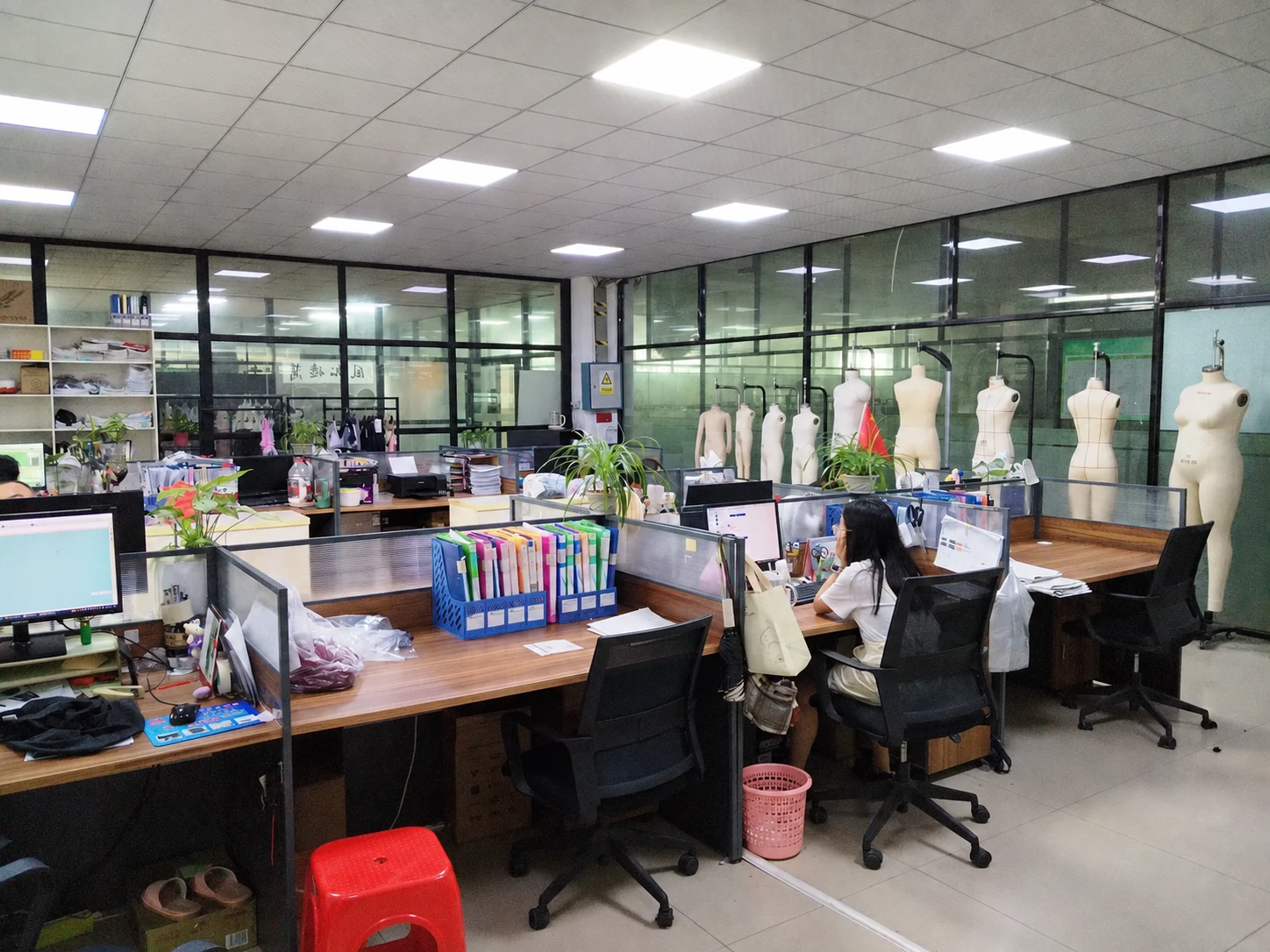
Stable placket
Support buttonholes and opening without a stiff patch, aligning top, bottom and collar points after laundering.
Carry this into approval Factory views show our working environment. Your garment follows its agreed specification and sample.GET THE
RIGHT FIT.
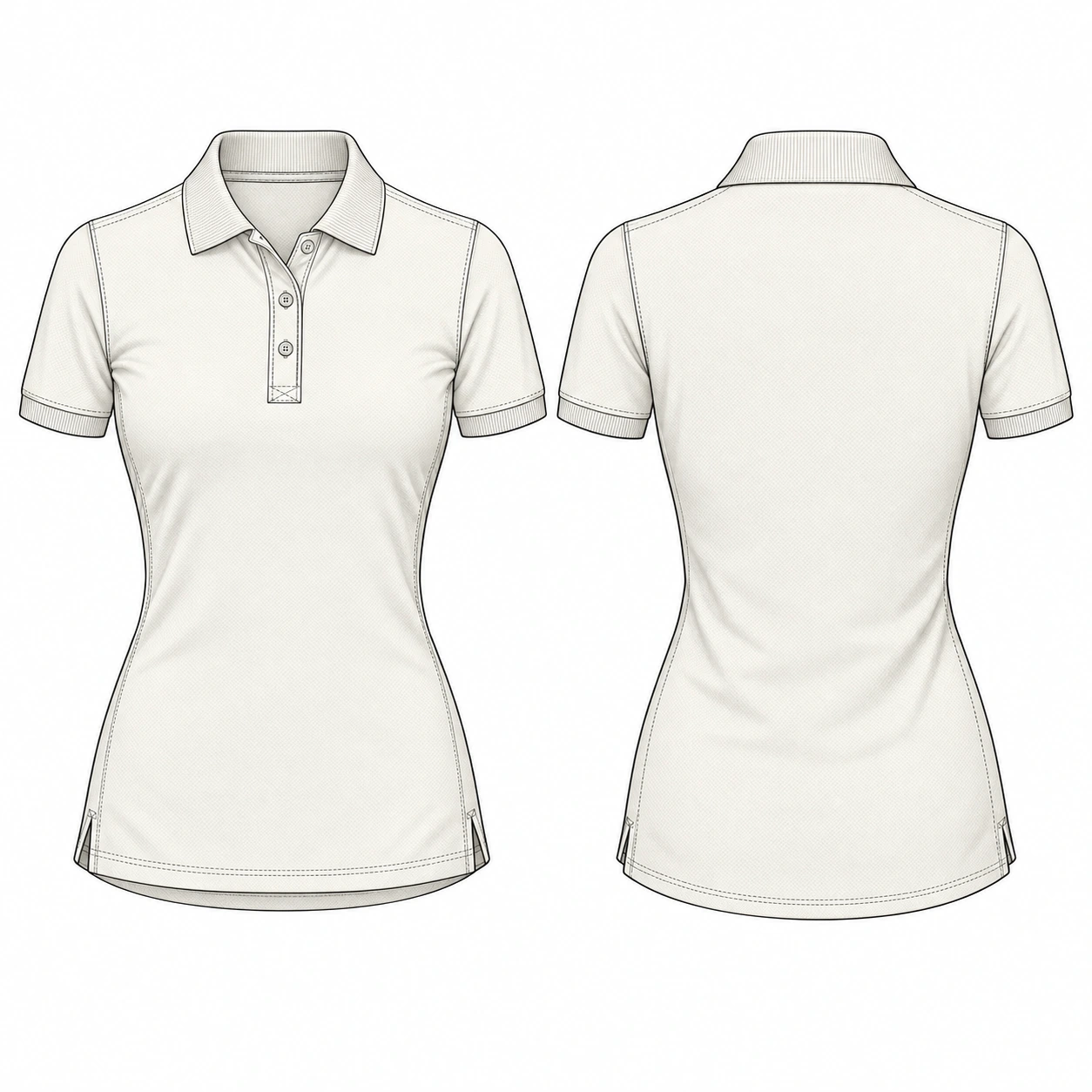
- AChest
- BShoulder span
- CSleeve length
- DBody length
A size label is only the beginning. Agree the measurement method, review the garment in use and keep the approved fit record with your specification.
Your fit-session checklist
Record the size worn, body measurements, intended underlayers and every proposed correction with the dated sample.
Note the size worn, body measurements, intended underlayers and each proposed correction. Recheck the affected measurement after a revision; confirm the size breakdown for each style and colour before bulk.
MAKE IT
RECOGNISABLY YOURS.
Use the product’s construction to guide decoration and finishing. Ask for placement, colour and material approval on the relevant sample.
Small details.
One identity.
Folded edges · fine weave
Textured stock · cord attachment
Raised edge · stitched placement
Material mockups with a live wordmark study. Print, weave, colour matching and placement are confirmed on your physical sample.
Club colour system
Specify body, collar, stripe, placket and thread references separately, documenting acceptable match across piqué, rib and embroidery.
Logo hierarchy
Assign club crest, sponsor and role marks to defined zones with maximum sizes, colour files and who receives each variation.
Roster personalization
Set names or numbers, typography, capitalization, locations and packing sequence in a locked spreadsheet linked to approved sizes.
Fit options
Choose women’s, men’s, youth or unisex blocks according to roster, validating each rather than stretching one polo across all bodies.
APPROVE THE DETAIL.
THEN THE ORDER.
The first sample helps you make decisions. Define review conditions and acceptance criteria before you compare the result.
Review the piqué club polo sample
Sampling takes 7–10 working days from the agreed start. Record each decision against the dated sample before bulk approval.
Rider, material direction, measurements and artwork.
DEFINE THE STARTTurn the agreed direction into a garment to review.
7–10 WORKING DAYSReview fit, finish and changes. Confirm the final specification.
REVISE IF NEEDEDProceed with agreed quantities, colours, labels and packing.
30–45 WORKING DAYSA shared development direction
Bring reference garments, your rider profile, target colours and any artwork. We turn these into the measurements, materials and construction questions that the sample needs to resolve.
Sample feedback can return to development. Revisions and transit are planned separately; timing begins from the agreed specification and start date.

KEEP THE APPROVAL.
WITH THE ORDER.
One agreed reference for the workroom: the dated sample, its specification and your confirmed order breakdown.
Sample decisions
- Wash stability
Measure collar, body and sleeve before and after proposed care, recording shrinkage, twist, curl, colour and placket alignment.
- Embroidery strike
Approve the exact digitized file on the selected piqué with backing, checking text clarity, puckering, interior feel and wash response.
- Mounted tuck
Ride and perform stable tasks with polo tucked and untucked as intended, checking back coverage, vents and shoulder reach.
Style, colour & size allocation
Confirm each style and colour separately, with the size allocation attached. The minimum is 100 pieces per style, per colour.
Labels, packing & timing
Agree label artwork, packing instructions and the production start. Bulk production takes 30–45 working days from the confirmed start; revisions and transit are planned separately.
A CLEARER BRIEF.
A MORE USEFUL QUOTE.
Price follows an agreed product, quantity and delivery scope. Use these inputs to compare proposals on the same basis.
Piqué composition and weight
Fibre blend, custom colour, finish and material minimum influence cost and lead time.
Custom rib details
Striped or contrast collars and cuffs add development, knitting minimums and shade approvals.
Embroidery count
Dense stitches, multiple locations, sponsor variants and names increase setup and machine time.
Roster handling
Individual marking, sorting, bag labels and size-based packing add manual control and labour.
Bring these six things
Planning baseline: 100 pieces minimum per style, per colour. Sampling takes 7–10 working days; bulk production takes 30–45 working days from the agreed start.
100 pieces minimum per style, per colour. State each colour quantity separately; confirm your proposed size allocation.
GOOD QUESTIONS.
BETTER DECISIONS.
Product-specific sourcing questions to resolve before sampling.
It offers a familiar hand and appearance, but shrinkage, drying, recovery and care requirements may differ from synthetic or blended piqué. Choose against the club’s use and wash routine, then approve documented composition and finished-garment tests.
Use one locked roster with measured size, consumer label, name spelling, role, artwork entitlement and packing group. Resolve duplicates and late changes before production. The order must still meet the confirmed MOQ of 100 pieces per style per colour.
Texture, stretch, stitch density, thread tension and backing can pull the knit. Approve a embroidery strike on the selected piqué after laundering. Small text may need adjusted digitizing or size rather than simply more stitches.